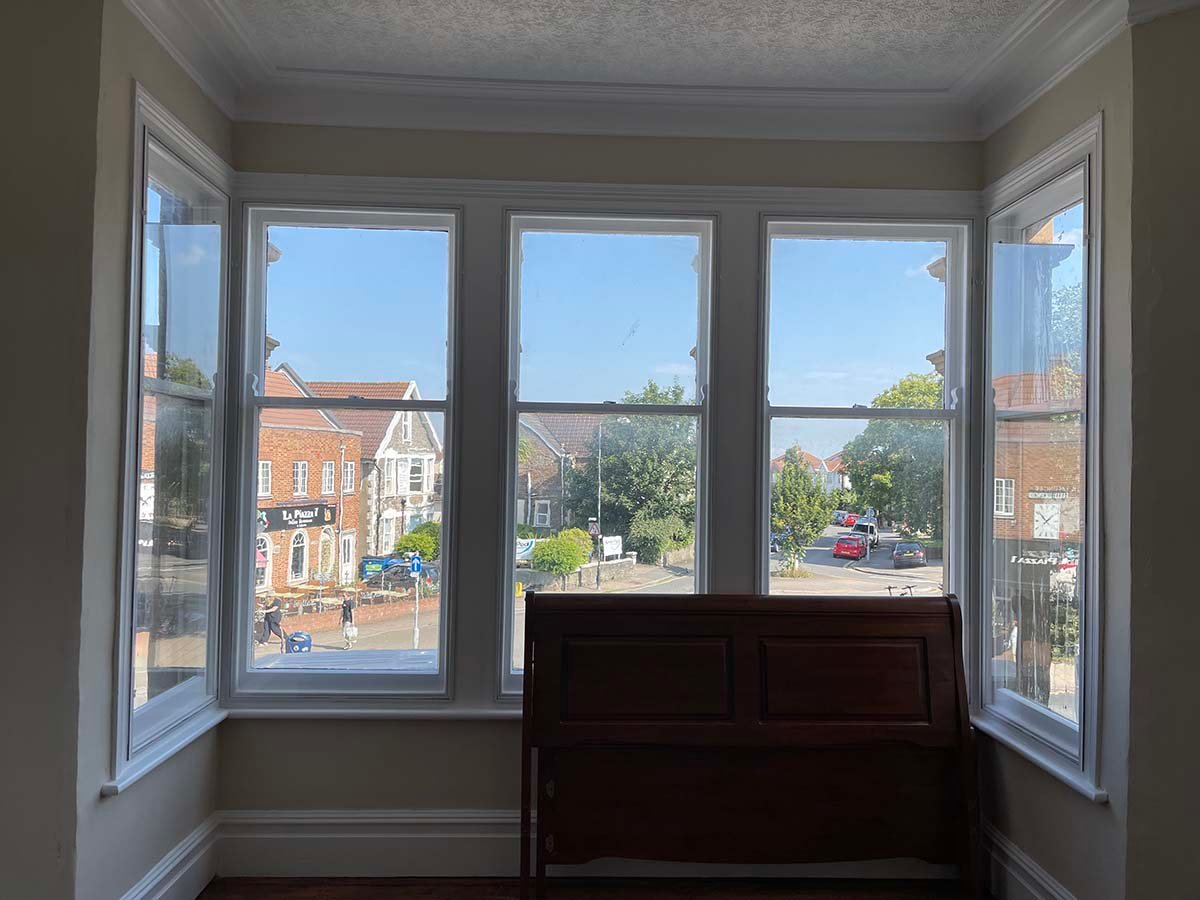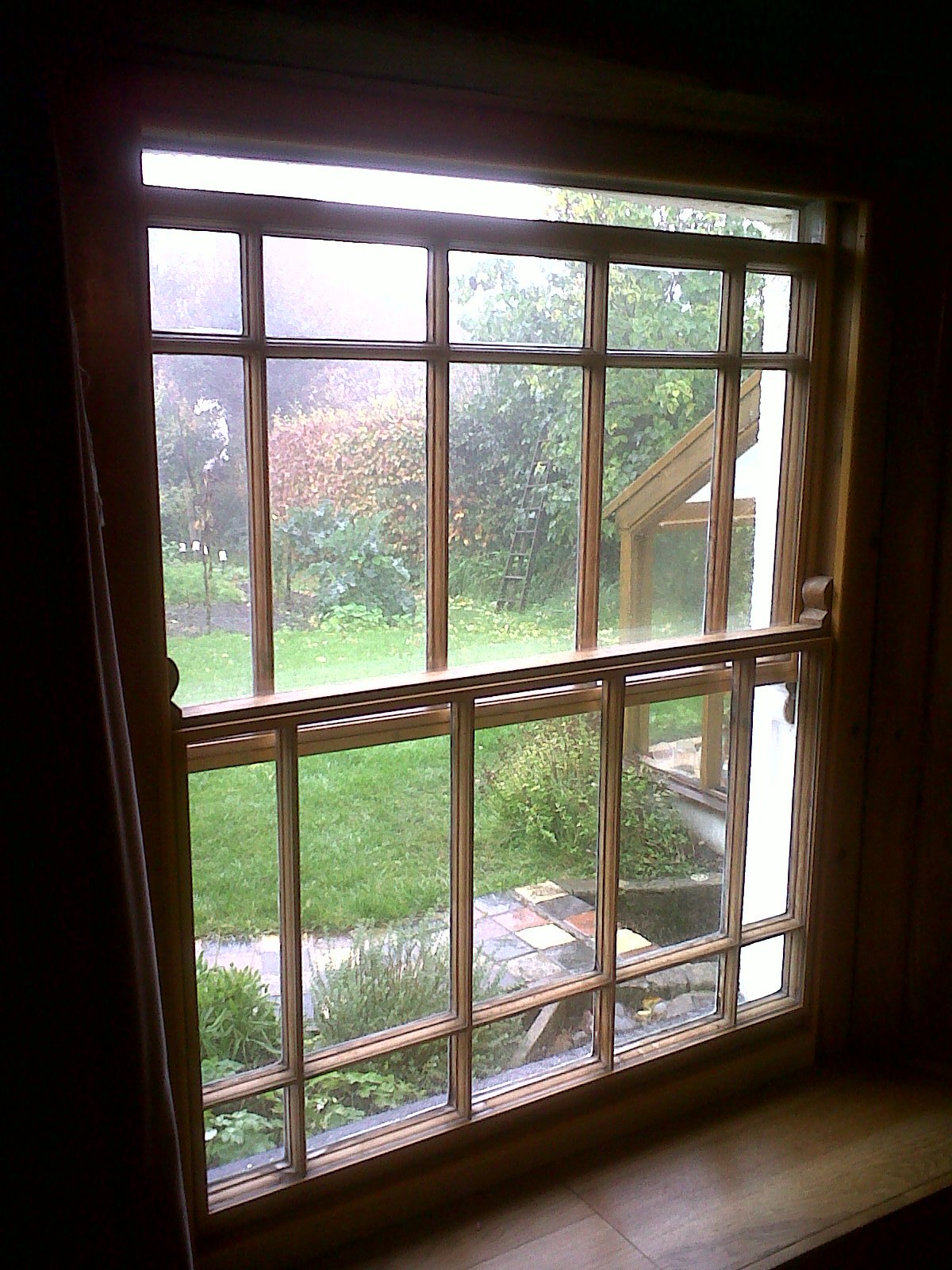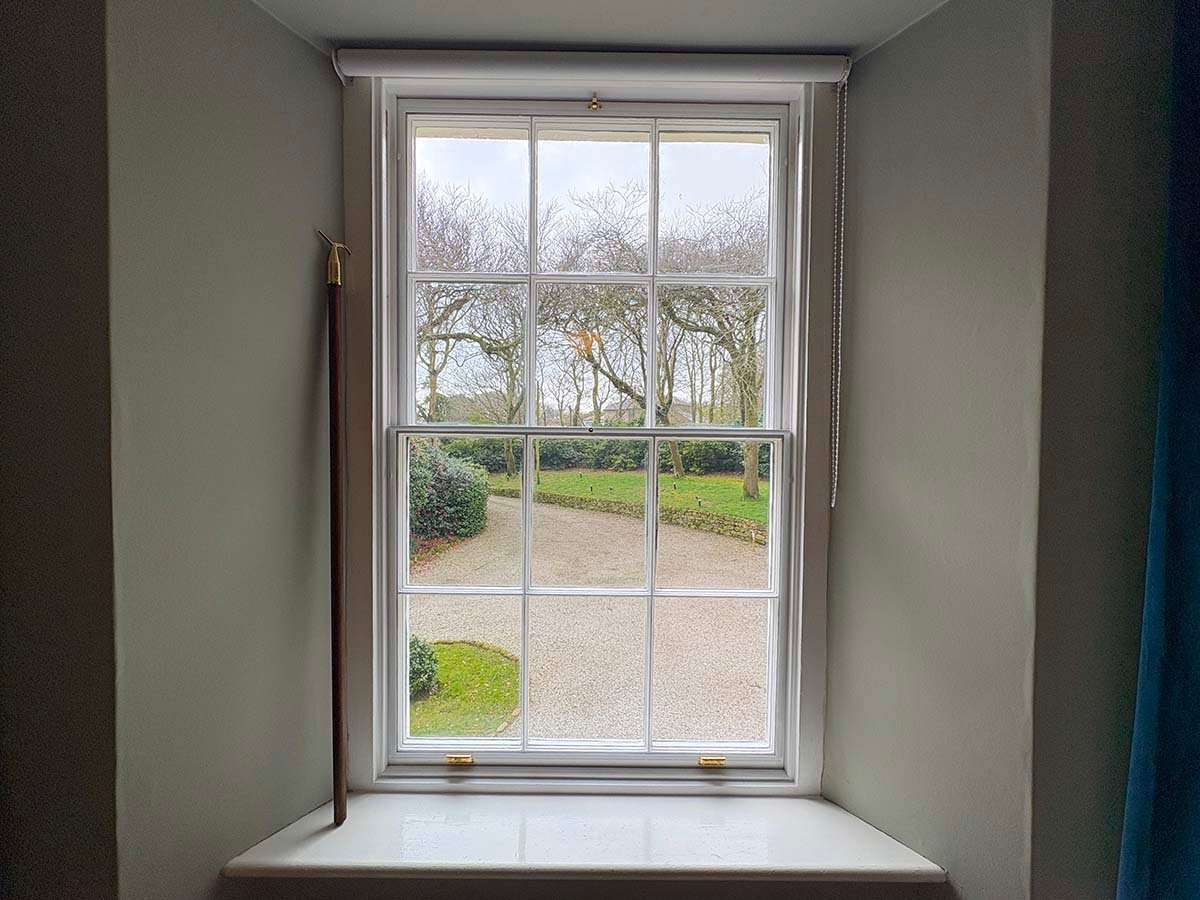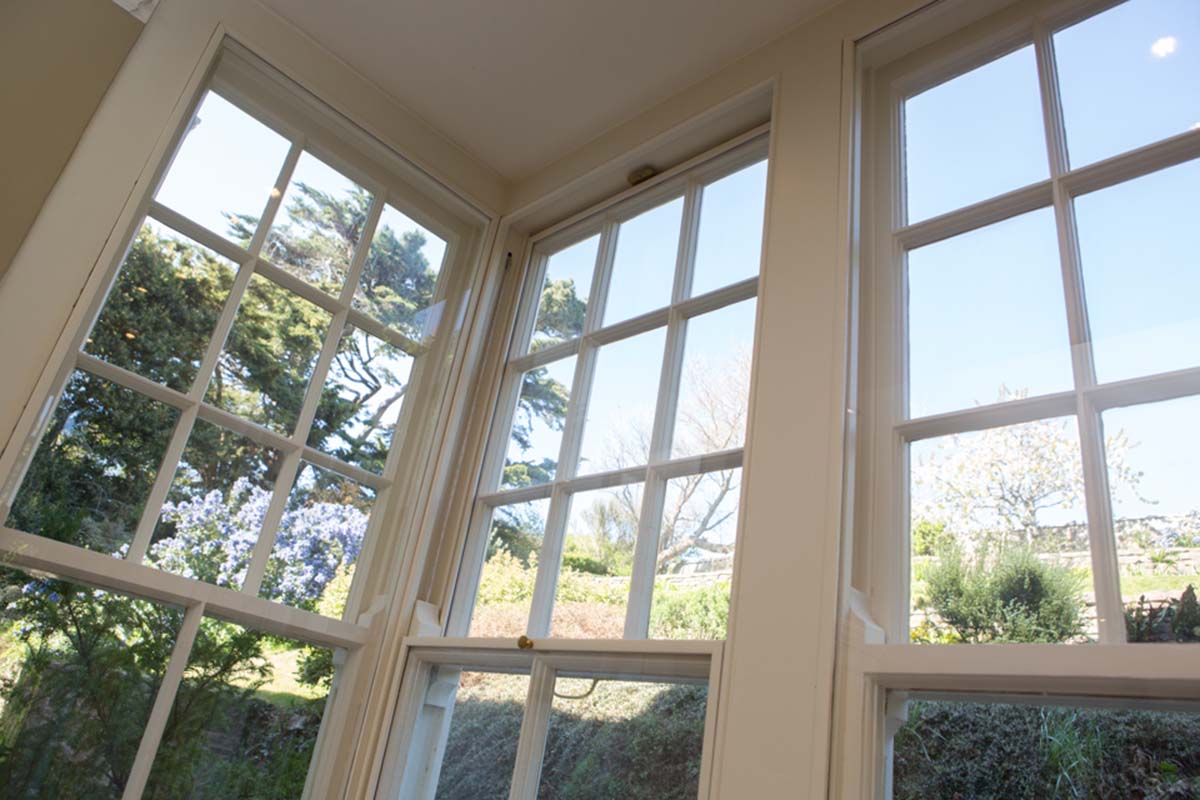
For many period and listed homes, secondary glazing is one of the most effective ways to improve comfort, reduce draughts and enhance insulation without replacing original windows.
Why Do Homeowners Choose Secondary Glazing?
Many older homes still contain original single-glazed windows that contribute to:
- heat loss
- draughts
- condensation
- poor acoustic insulation
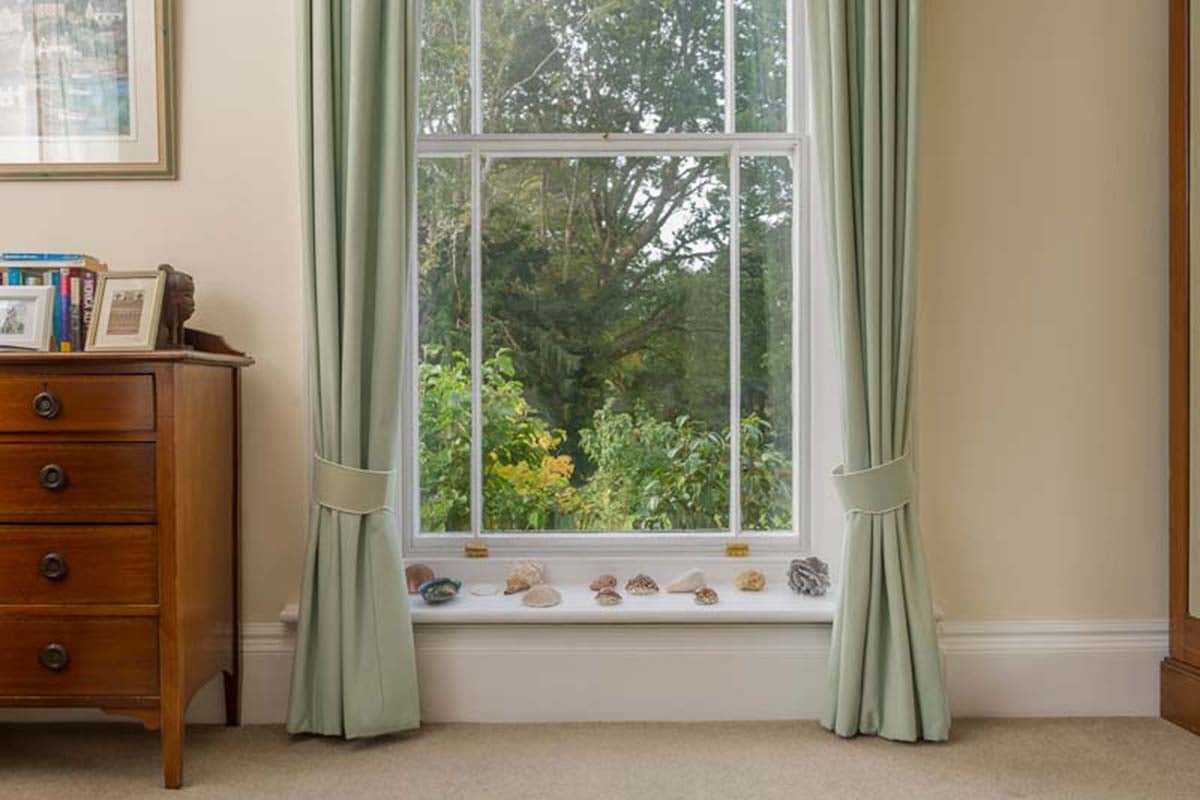
Secondary glazing helps improve performance while preserving the original appearance of the property.
What Are the Main Benefits?
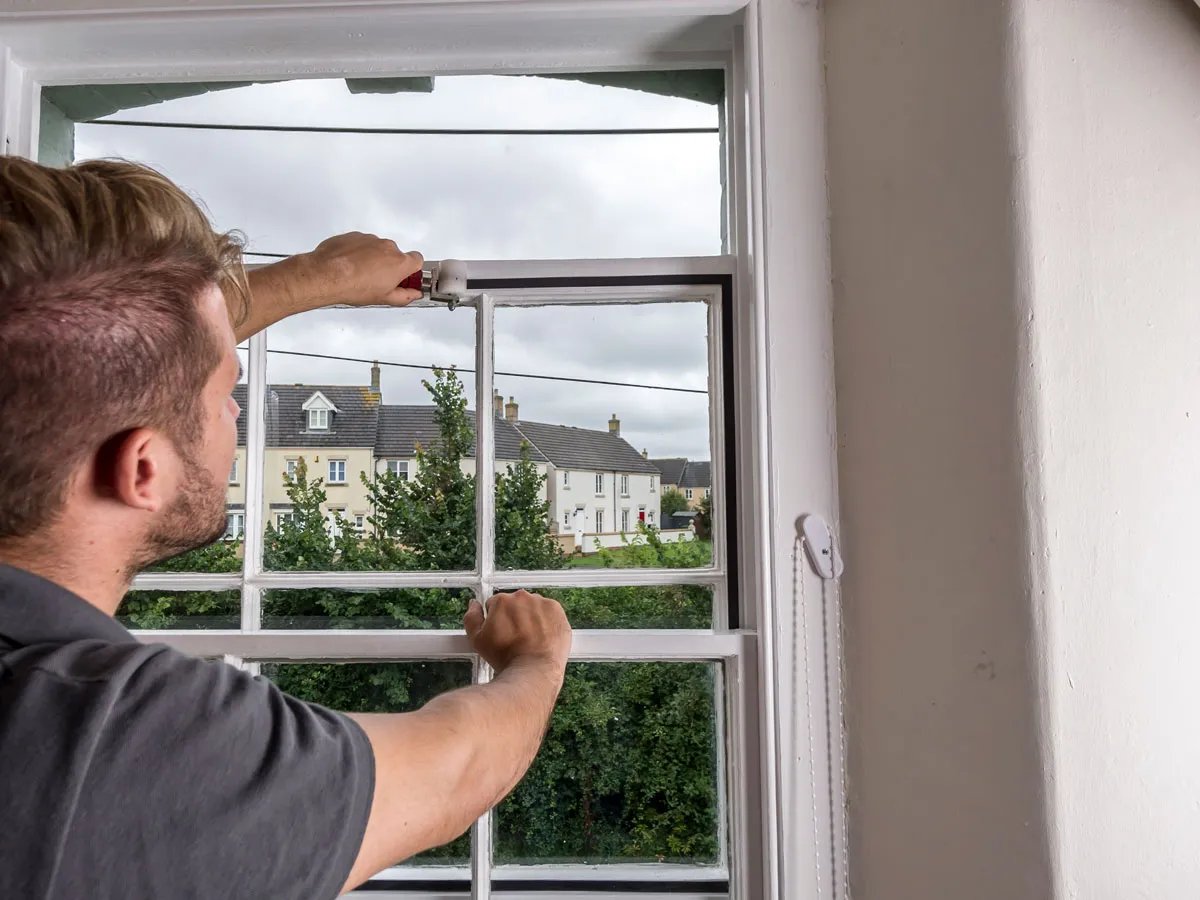
Improved Comfort – Secondary glazing reduces cold draughts and helps stabilise room temperatures. Mitchell and Dickinson’s CosyGlazing reduces heat loss from single glazed windows by 70%.
Better Thermal Efficiency – The insulating air gap helps reduce heat loss through windows.
Reduced Noise – Secondary glazing can significantly improve acoustic insulation.
Preservation of Original Windows – This is especially important in period and listed buildings.
Is Secondary Glazing Better Than Replacing Windows?
In many period homes, yes.
Secondary glazing allows homeowners to improve comfort without:
- removing original timber windows
- altering the building’s character
- compromising heritage features
For listed buildings, this is often a major advantage.
Does Secondary Glazing Help Reduce Heating Costs?
By improving insulation and reducing draughts on sash windows, secondary glazing may help reduce heating demand and improve energy efficiency. Mitchell & Dickinson’s CosyGlazing reduces heat loss from single glazed windows by 70%.
The exact savings will depend on:
- property condition
- window type
- existing insulation
- heating usage
Is Secondary Glazing Worth It for Sash Windows?
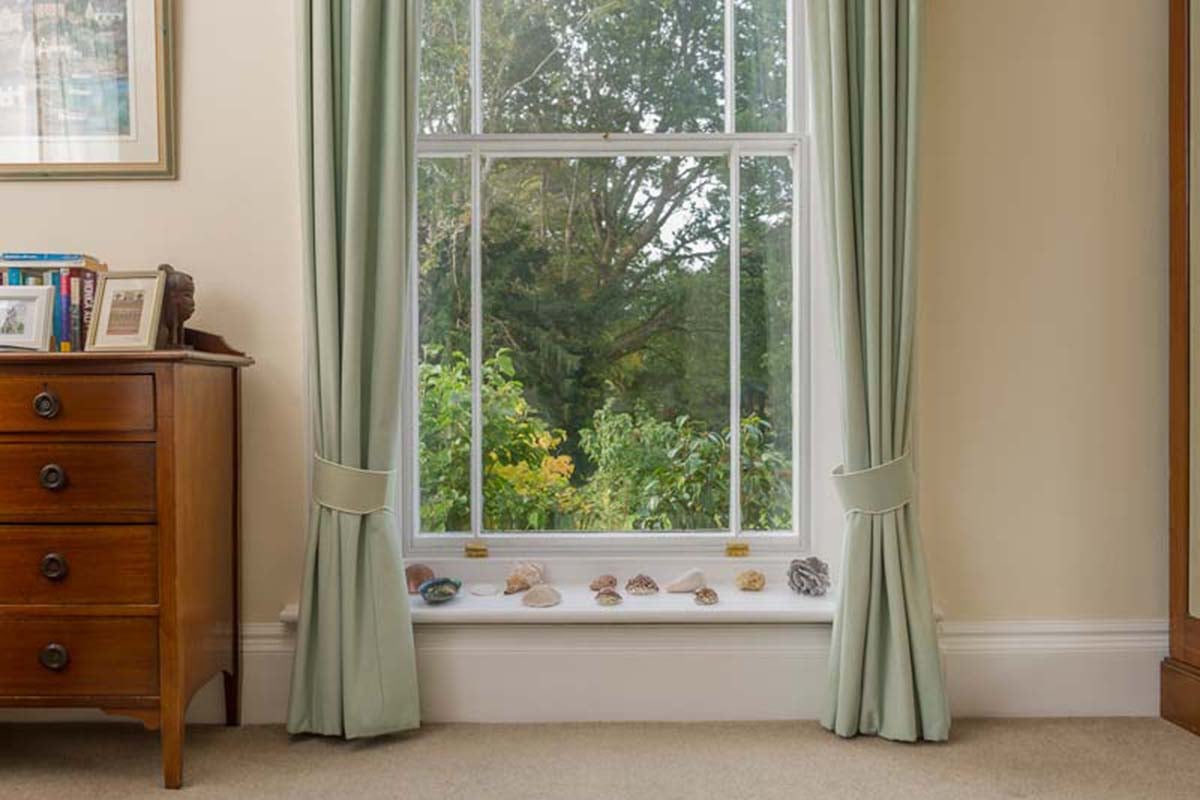
Yes. Secondary glazing is particularly popular for sash windows because it:
- preserves original joinery
- improves thermal performance
- reduces rattling and draughts
- maintains period character
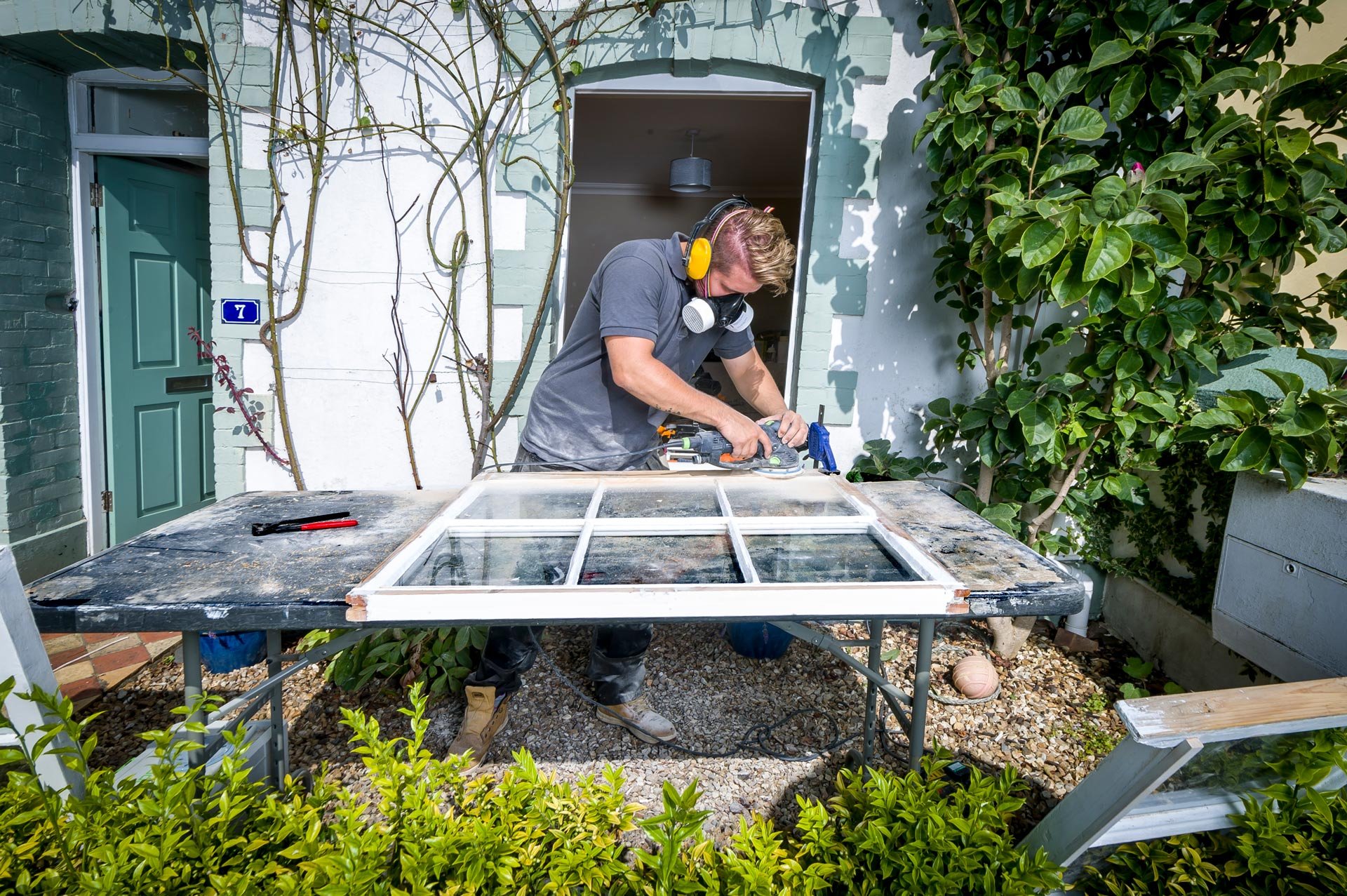
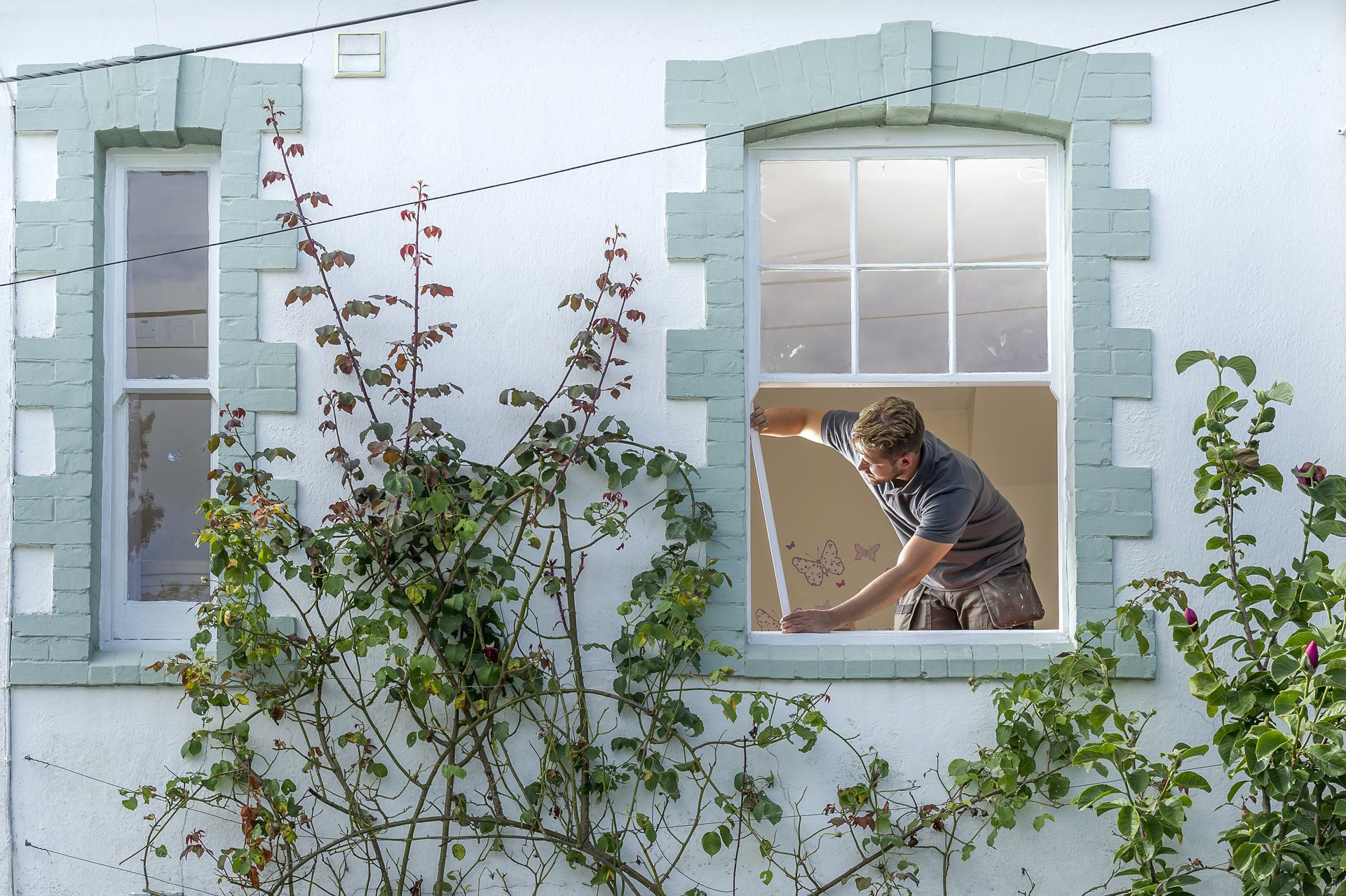
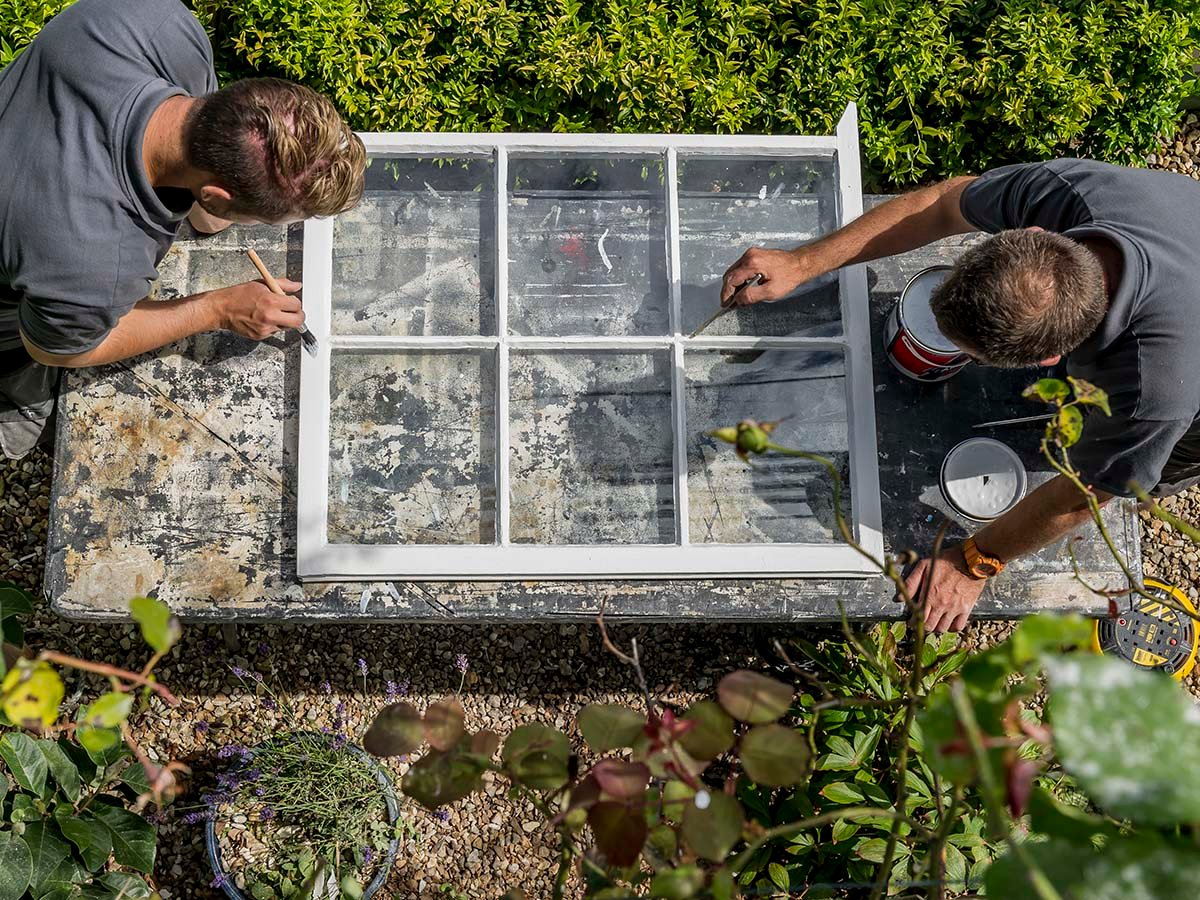
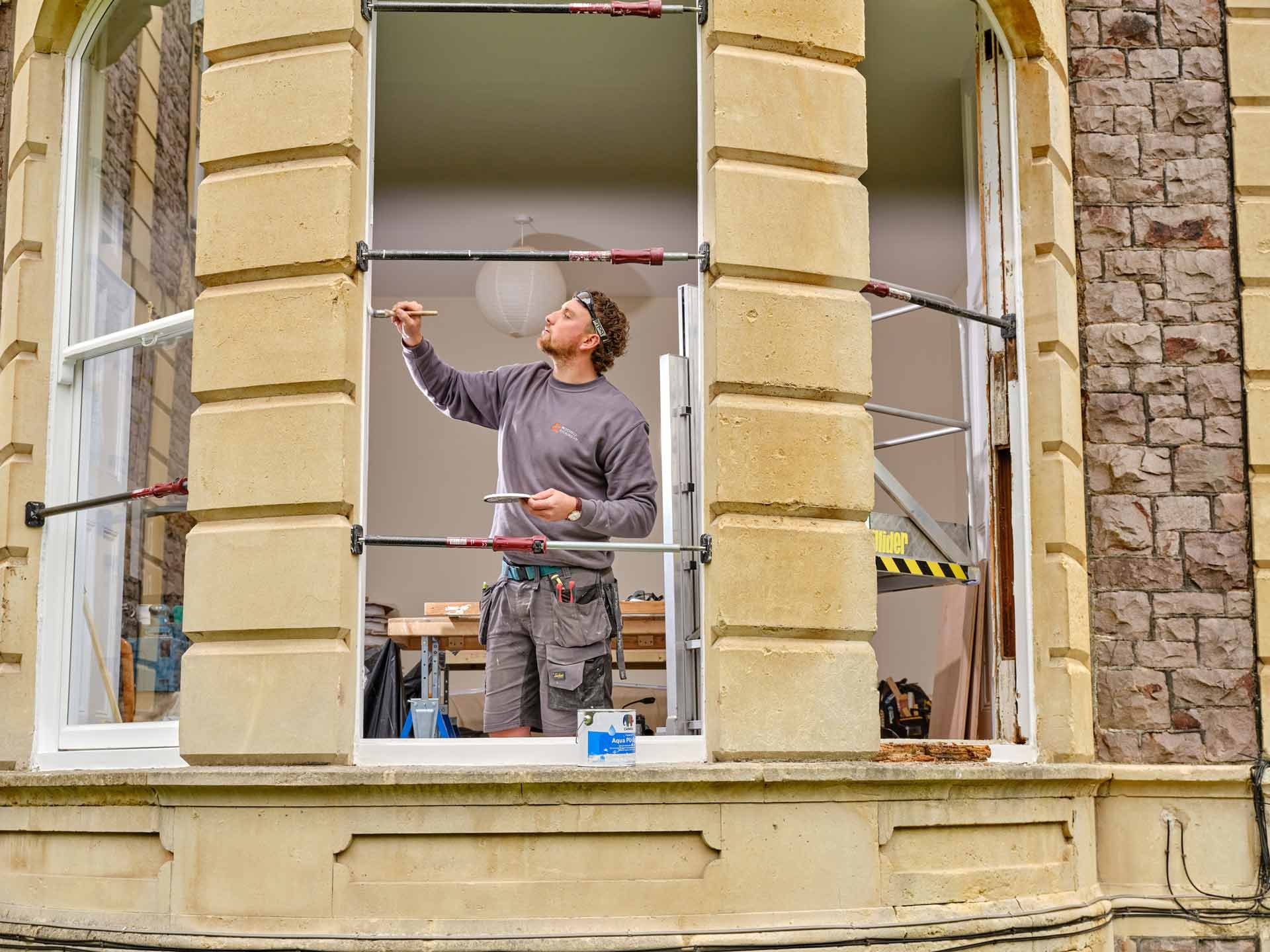
Mitchell & Dickinson’s integrated system of CosyGlazing secondary glazing for sash windows allows sashes to slide open as usual while the CosyGlazing remains in place. As part of the fitting service, our sash window craftsmen reengineer the window, remove excess paint, release stiff sashes, replace chords and pulleys, balance weights and fit new beading with a concealed brush strip.
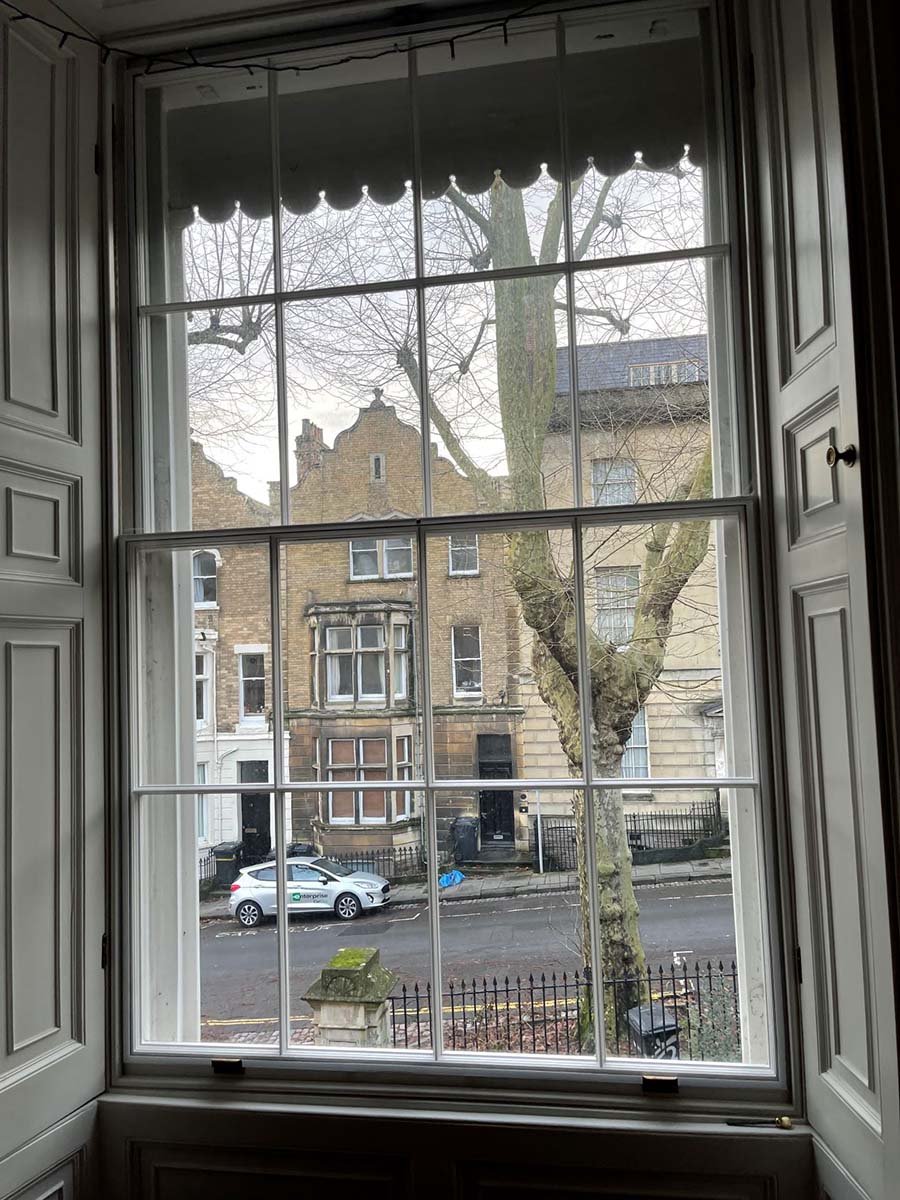
Is Secondary Glazing Worth It in Listed Buildings?
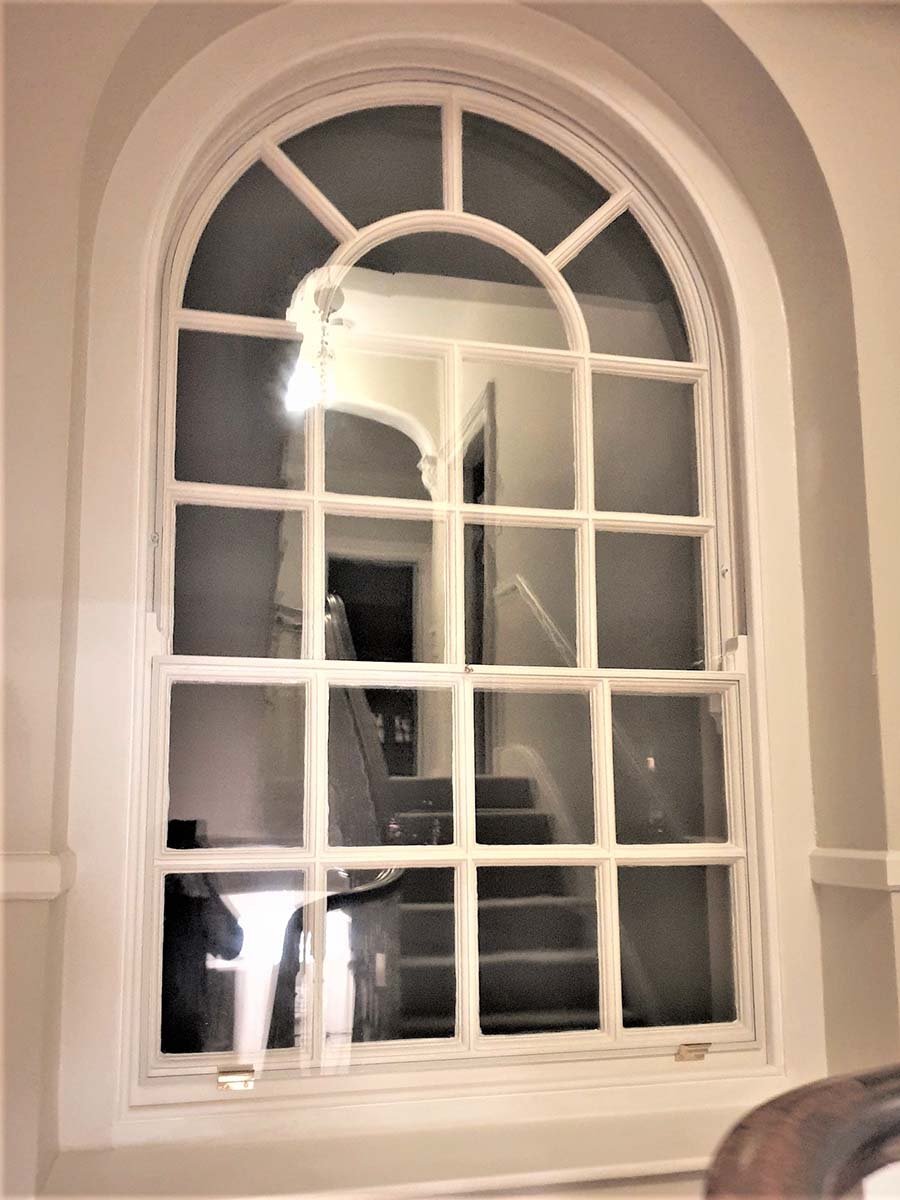
In many listed and conservation properties, secondary glazing is often one of the few practical ways to improve insulation without changing the external appearance.
Because it is usually reversible, it is often viewed more favourably than replacement double glazing. Secondary glazing is typically a more cost-effective alternative to replacing windows with double glazing. By reducing heat loss, it can improve energy efficiency and help lower heating costs. It also provides excellent noise reduction, making it ideal for properties in busy urban areas or near airports. For heritage and listed buildings, secondary glazing is often the preferred solution as it enhances insulation and acoustic performance without altering the original windows.
Specialist Secondary Glazing for Period Properties
Mitchell & Dickinson specialise in bespoke secondary glazing systems designed specifically for heritage and listed homes.
Our approach focuses on:
- improving comfort
- preserving original windows
- reducing heat loss
- maintaining historic character
FAQs
Is secondary glazing cheaper than double glazing?
In many cases, yes, because it avoids full window replacement.
Does secondary glazing reduce noise?
Yes, it can significantly reduce external noise.
Is secondary glazing suitable for listed buildings?
Yes, it is often preferred in listed properties because it preserves original windows.