







Integrated insulation combines insulation and ventilation into a single, comprehensive solution rather than treating them as separate problems. Our approach aims to address the whole building’s health – ensuring your home stays warm, dry and properly ventilated without creating damp or condensation issues that standard insulation can sometimes cause.
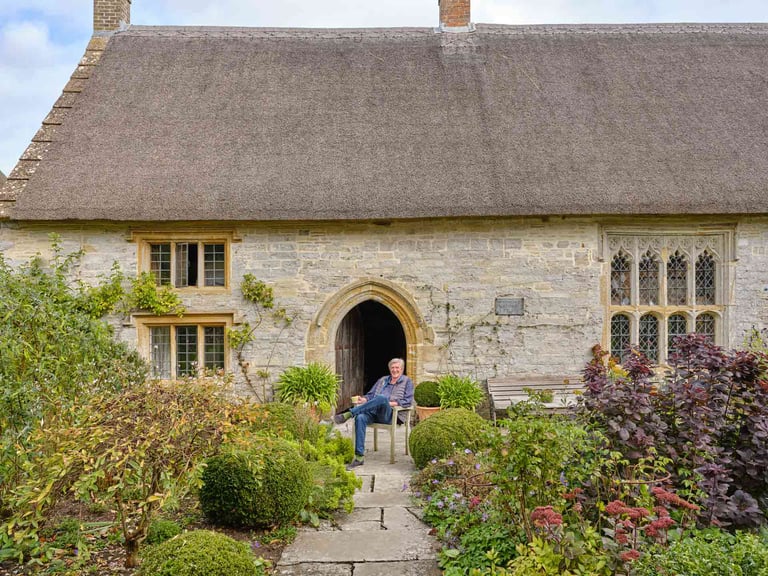
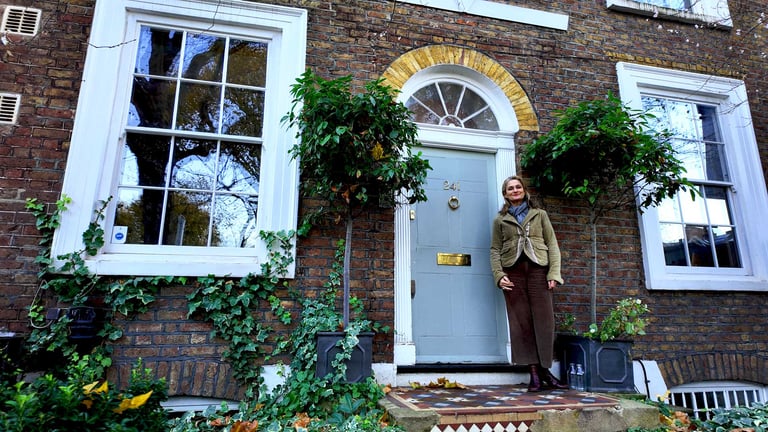
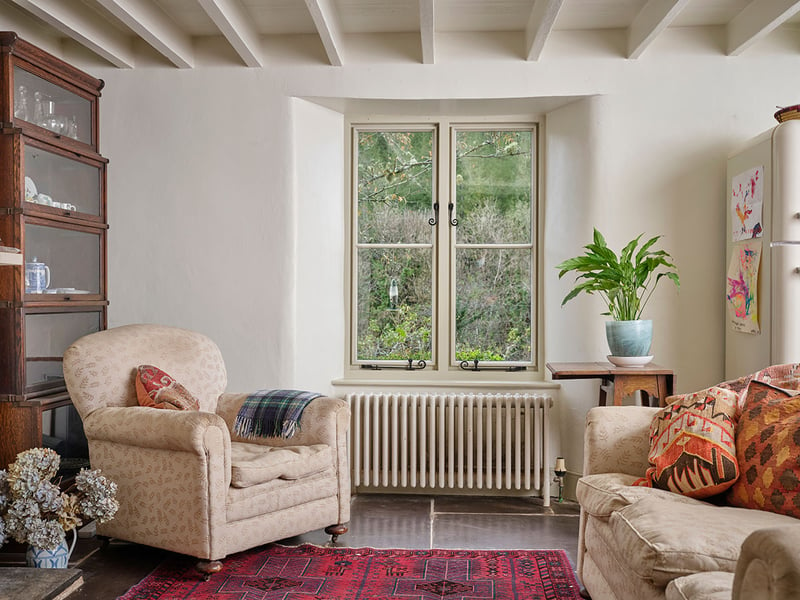
Yes. We specialise in making period homes warmer while preserving their historic character. The solutions – including secondary glazing, draught proofing, natural fibre room-in-roof insulation, and heritage shutters – are fully compatible with listed buildings and conservation area properties, meeting planning and heritage requirements.
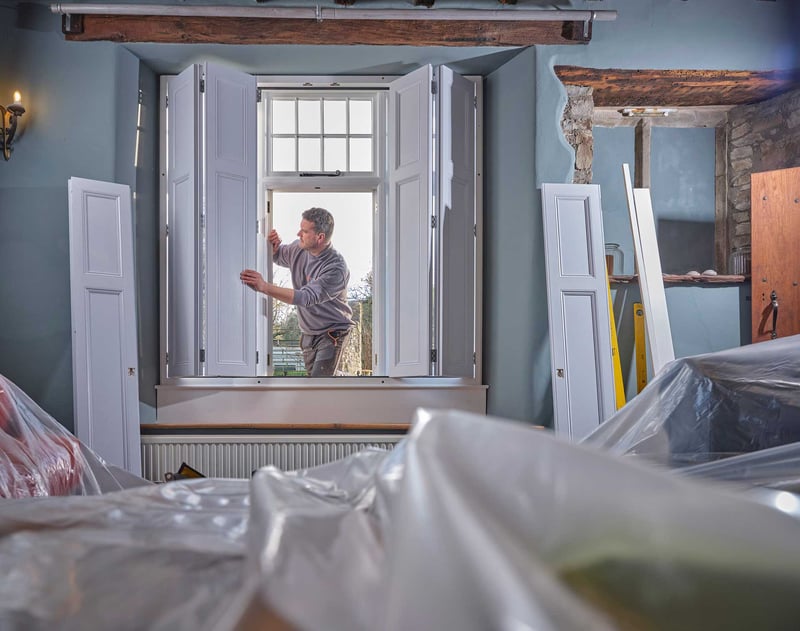
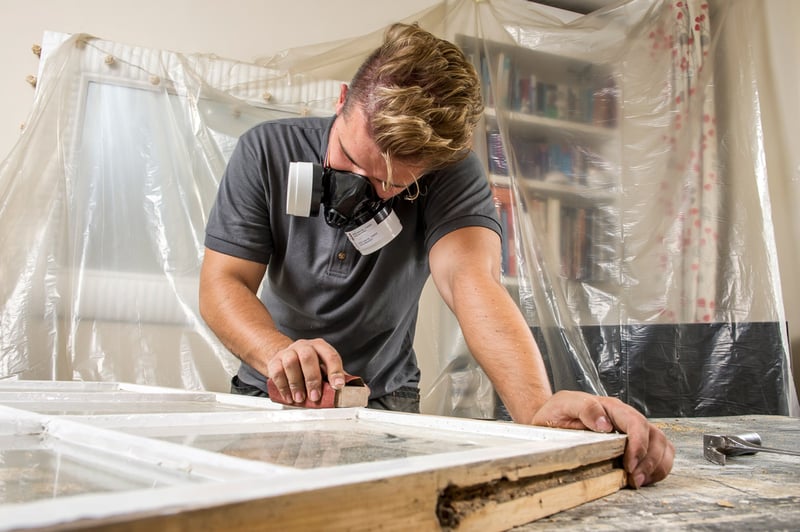
Our integrated insulation services include full insulation, ceiling and loft insulation, underfloor insulation, bespoke secondary glazing (including vacuum glazing), UV protection glazing, draught proofing, window and door restoration, heritage shutters, and ventilation advice. We also offer consultancy and ongoing service visits
Integrated insulation can address overheating in summer (particularly in loft spaces), cold and draughty conditions in winter, condensation on windows and walls, damp patches, mould, peeling paint, and rotting window frames – all common issues in period and older properties.
Every project begins with an expert survey of your property. Our specialists assess your home’s specific heat loss, ventilation, and moisture issues before recommending a tailored combination of insulation and ventilation solutions – rather than a one-size-fits-all approach.
Yes. Properly integrated insulation significantly reduces heat loss, lowering the energy needed to heat your home. This leads to reduced energy bills and a lower CO2 output. We are Carbon Savvy certified and specialise in improving the energy efficiency of older and period homes
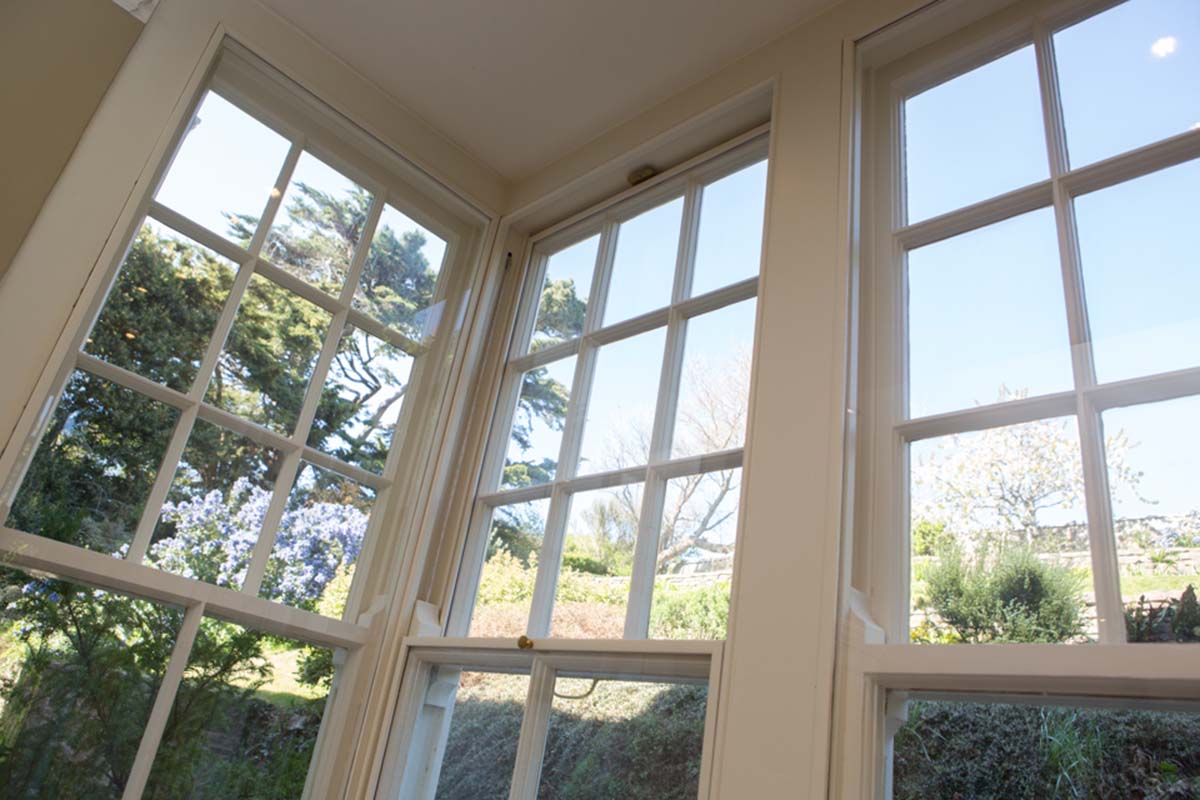
Yes. Secondary glazing can improve sound insulation, particularly when designed with acoustic performance in mind. While thermally efficient secondary glazing also reduces noise, the level of soundproofing depends on factors such as the building’s construction, its surroundings and the glazing specification.
Systems with a larger air gap or vacuum glazing generally offer the best acoustic performance, making them well suited to properties in busy urban areas, near roads, or in listed buildings where replacing original windows is not permitted.
As noise is perceived differently by each individual, it’s important to discuss your specific requirements with our surveyor if soundproofing is a priority.
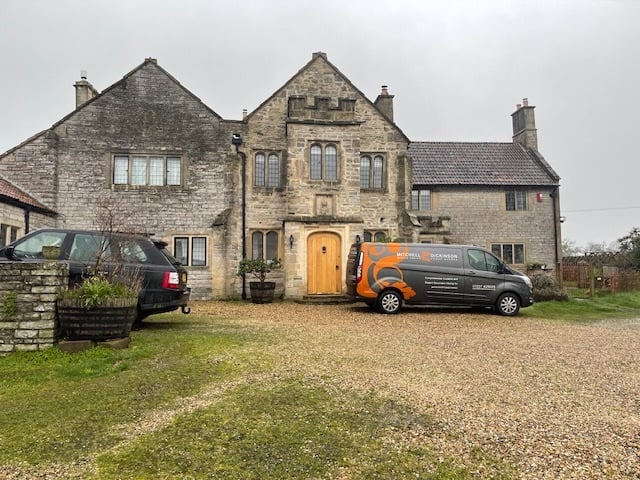
Mitchell & Dickinson operate regional teams across the South of England, including London, Berkshire, Bristol, Cambridgeshire, Devon, and Cornwall, with our head office based in Bideford, Devon. Get in touch with our friendly team to confirm coverage for your specific location.