Yes, secondary glazing such as Mitchell & Dickinson’s CosyGlazing usually prevents condensation by improving the temperature of internal window surfaces and reducing cold spots. However, condensation is also influenced by ventilation, humidity and the condition of the original windows, particularly in older and period properties.
What Causes Condensation on Windows?
Condensation happens when warm, moist air comes into contact with a cold surface. In many period homes, single-glazed windows become very cold during winter, allowing moisture in the air to condense on the glass.
Common causes include:
- Everyday activities such as showering and cooking
- Poor insulation
- High indoor humidity
- Inadequate ventilation
- Cold single glazing
- Damp building fabric
Older properties can be especially vulnerable because they were designed to breathe naturally through small gaps and airflow and have weaker insulation.

How Does Secondary Glazing Help Reduce Condensation?
Secondary glazing creates an insulating barrier between the original window and the room.
This helps by:
- Keeping the internal surface warmer
- Reducing cold air around windows
- Limiting rapid temperature changes
- Improving thermal efficiency
As the internal pane remains warmer, moisture is less likely to condense on the surface.
Can Secondary Glazing Eliminate Condensation Completely?
Not always. On occasions, it can appear after secondary glazing is installed, particularly if the windows are in poor condition prior to installation, or ventilation and humidity levels are not considered.
Condensation is often caused by a combination of factors, including:
- Moisture from cooking and bathing
- Drying clothes indoors
- Poor ventilation
- Existing damp problems
Secondary glazing can significantly reduce condensation, but ventilation and airflow are also important.
This is particularly relevant in period and listed buildings where modern insulation upgrades may alter the building’s natural airflow.
Why Ventilation Matters in Period Homes
Traditional buildings were originally designed to allow natural airflow through:
- Chimneys
- Timber windows
- Floors and roof spaces
As homes become more airtight, moisture can become trapped indoors.
A balanced approach that combines:
insulation
draught proofing
secondary glazing
appropriate ventilation
usually delivers the best long-term results.
Is Secondary Glazing Better Than Double Glazing for Condensation?
Standard double glazing is generally more effective for preventing internal condensation than secondary glazing, though in many period homes, secondary glazing is often preferred because it:
- Preserves original windows
- Improves insulation
- Is usually reversible
- Avoids replacing historic glass and joinery
For listed buildings, secondary glazing is often more suitable than replacement double glazing.
Does Secondary Glazing Work on Sash Windows?
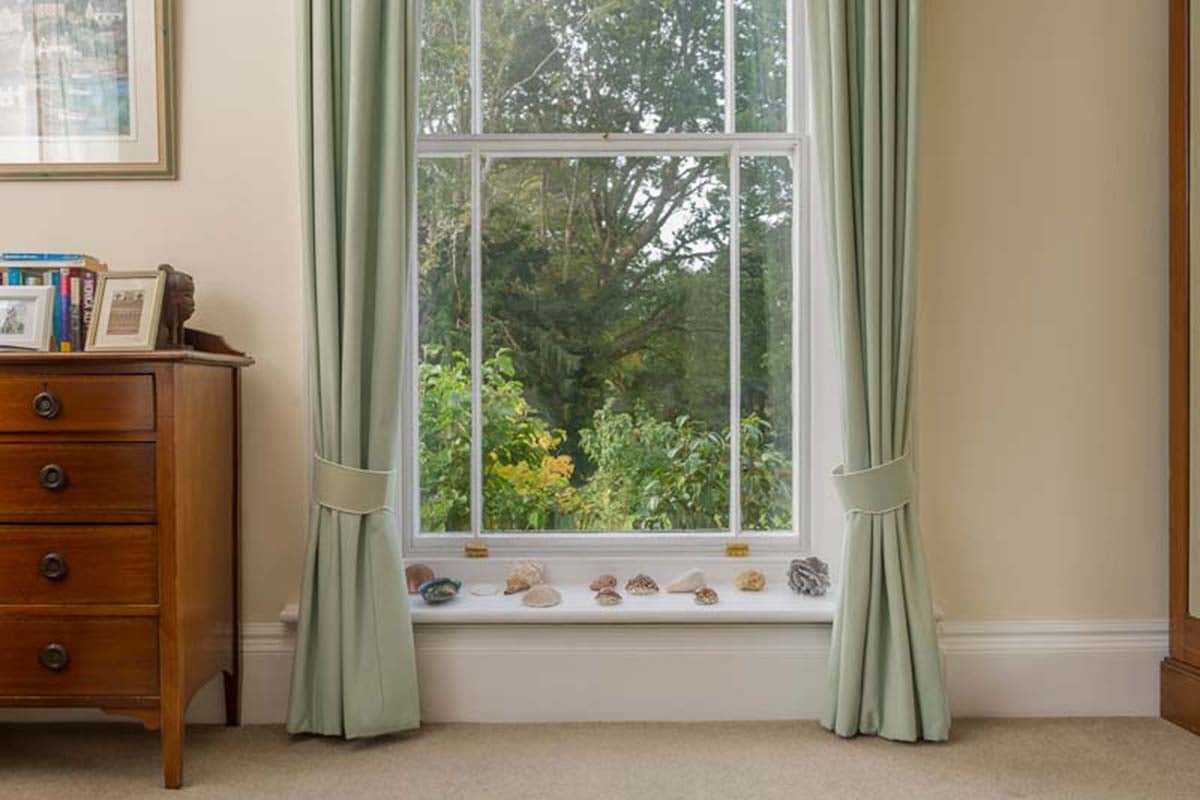
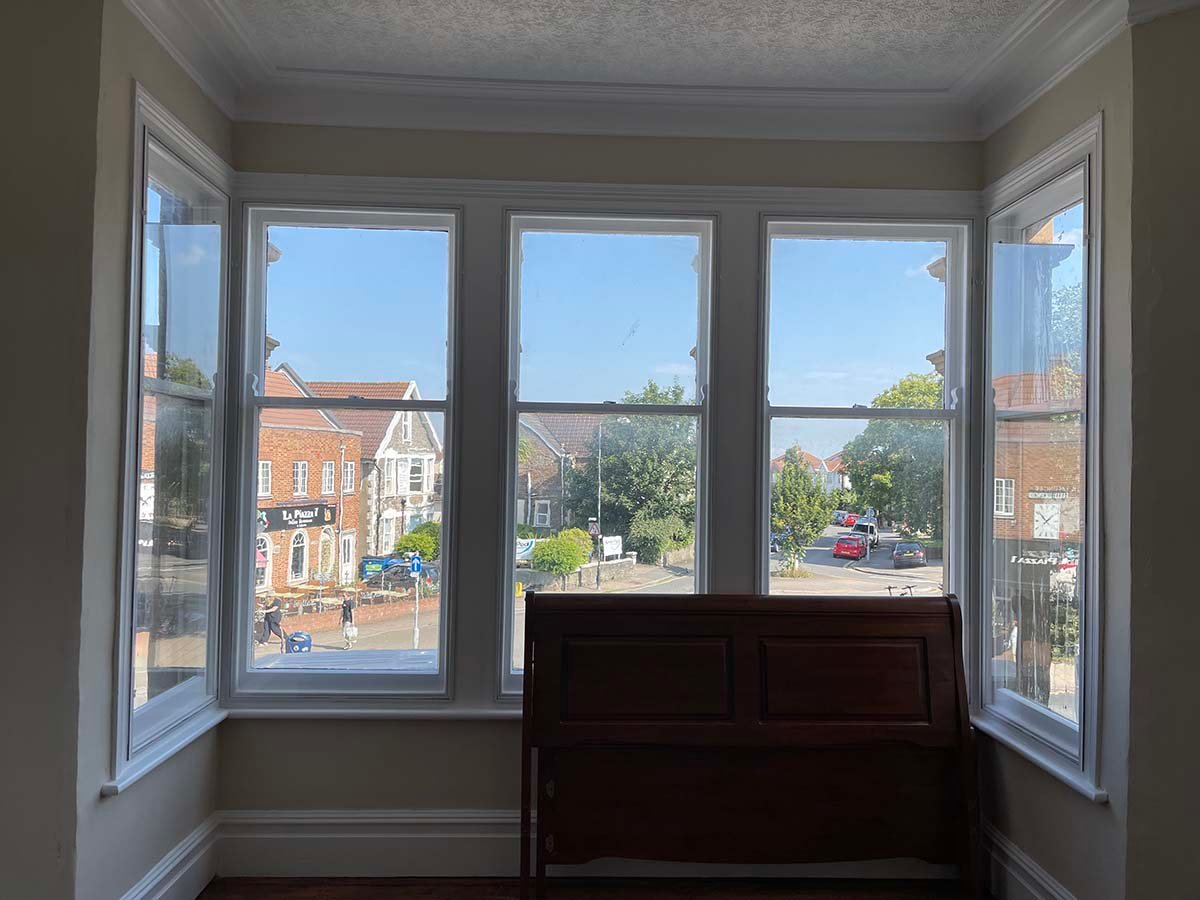
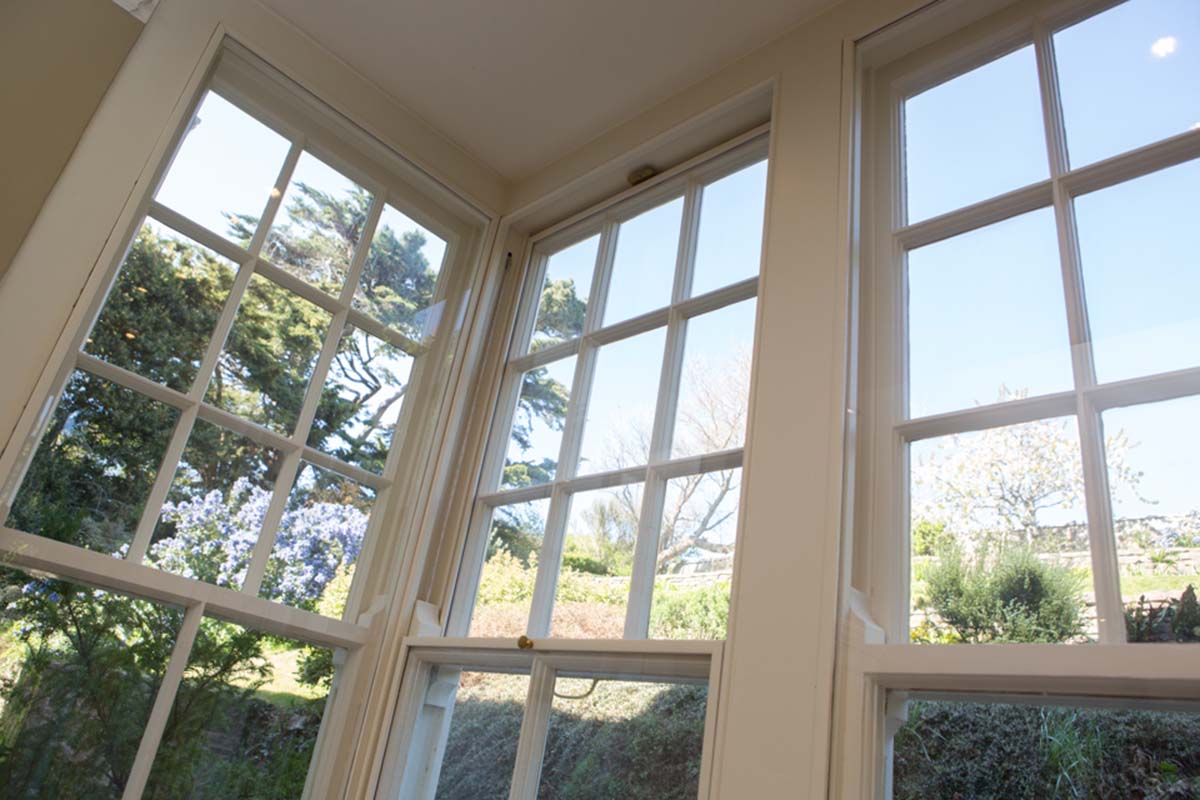
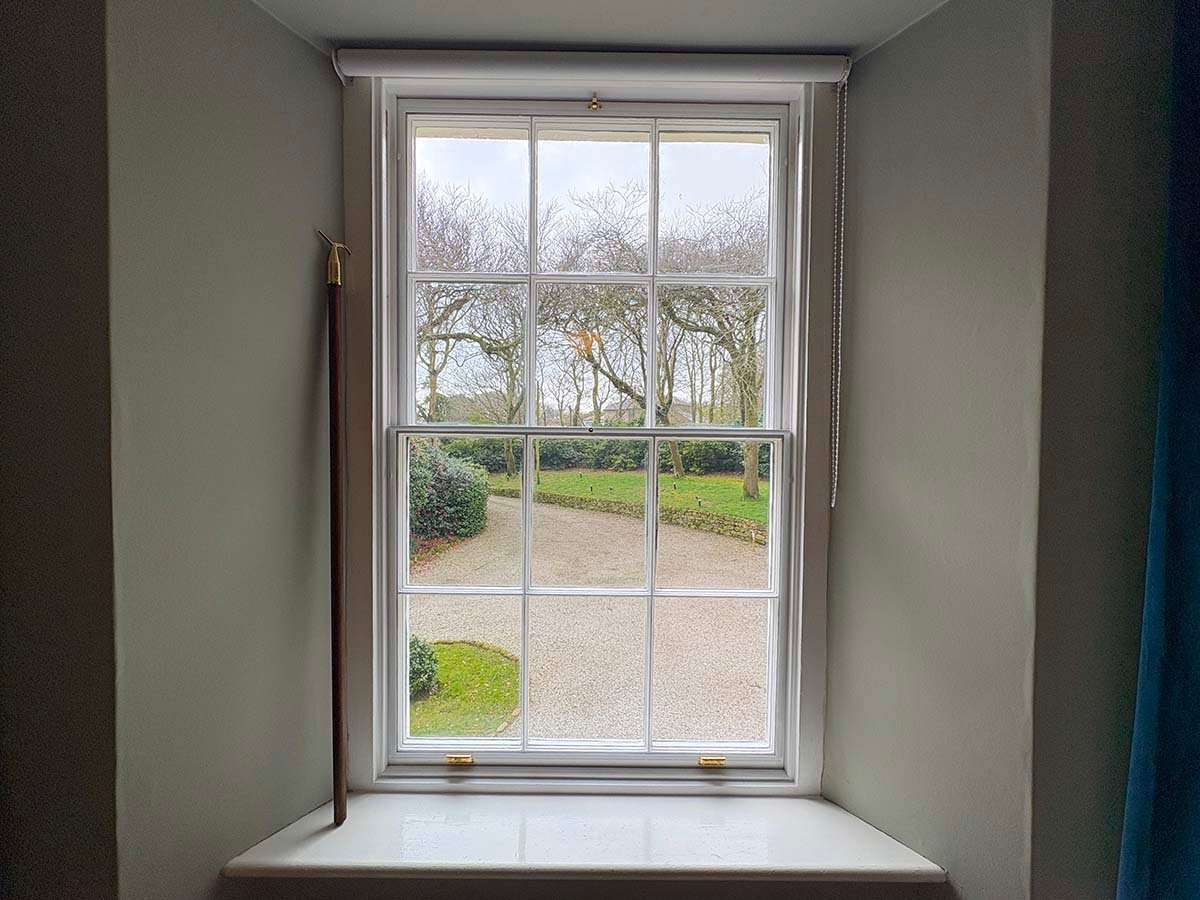
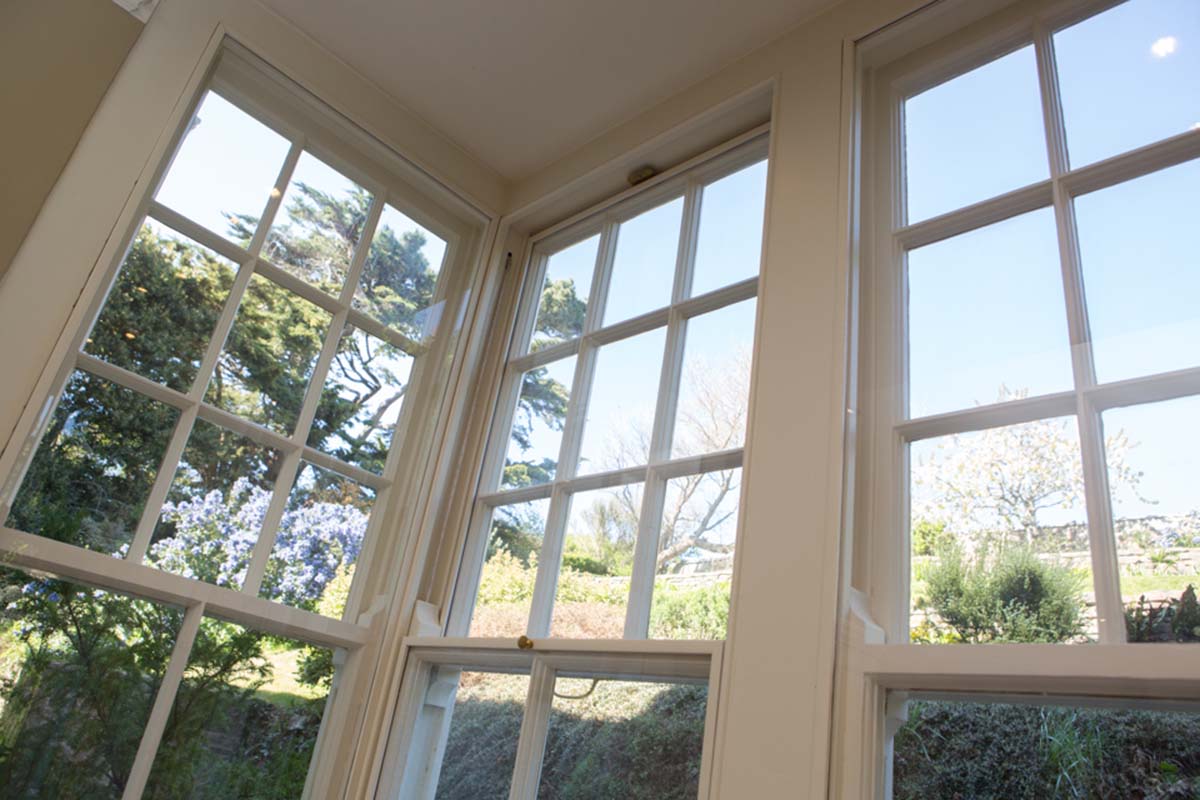
Yes. Secondary glazing on sash windows can work very effectively when properly designed and installed.
Specialist systems can:
- Improve thermal efficiency
- Reduce draughts
- Maintain window operation
- Preserve period character
What Else Helps Reduce Condensation?
Additional measures may include:
- Improving ventilation
- Reducing indoor humidity
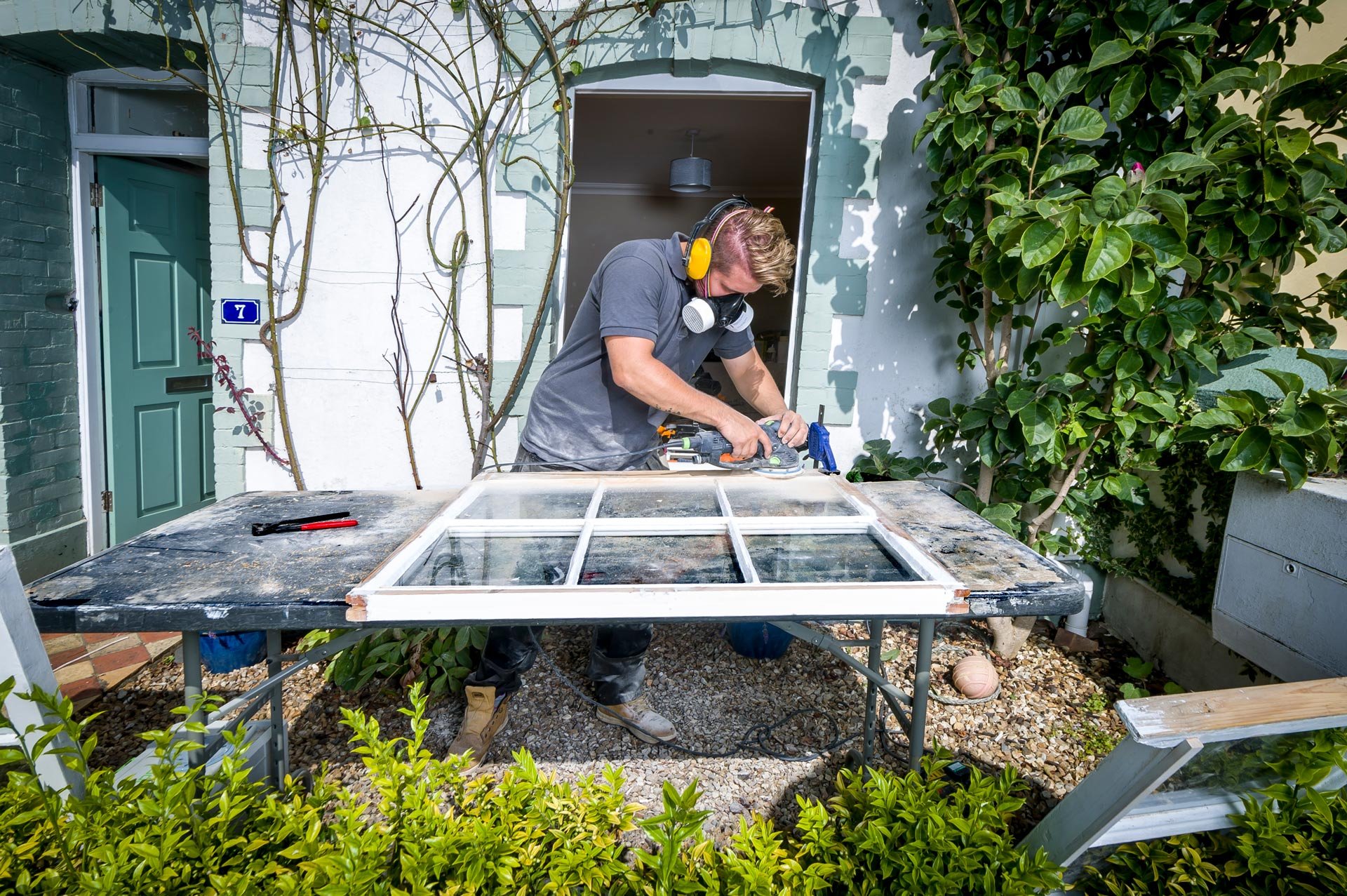
- Restoring damaged windows
- Draught proofing sash windows
- Loft and roof insulation
In many homes, the best results come from combining multiple improvements.
Expert Secondary Glazing for Period Homes
Mitchell & Dickinson specialise in secondary glazing solutions designed specifically for period and listed properties.
Our systems are carefully designed to:
- Improve comfort
- Reduce draughts
- Help minimise condensation
- Preserve original character
FAQs
Does secondary glazing stop condensation completely?
More often than not Secondary glazing can reduce condensation significantly, although external factors such as ventilation also plays an important role.
Why do old houses get condensation?
Older homes often have single glazing, cold surfaces and changing ventilation patterns.
Is condensation a sign of damp?
Not always, although persistent condensation can contribute to damp and mould issues.