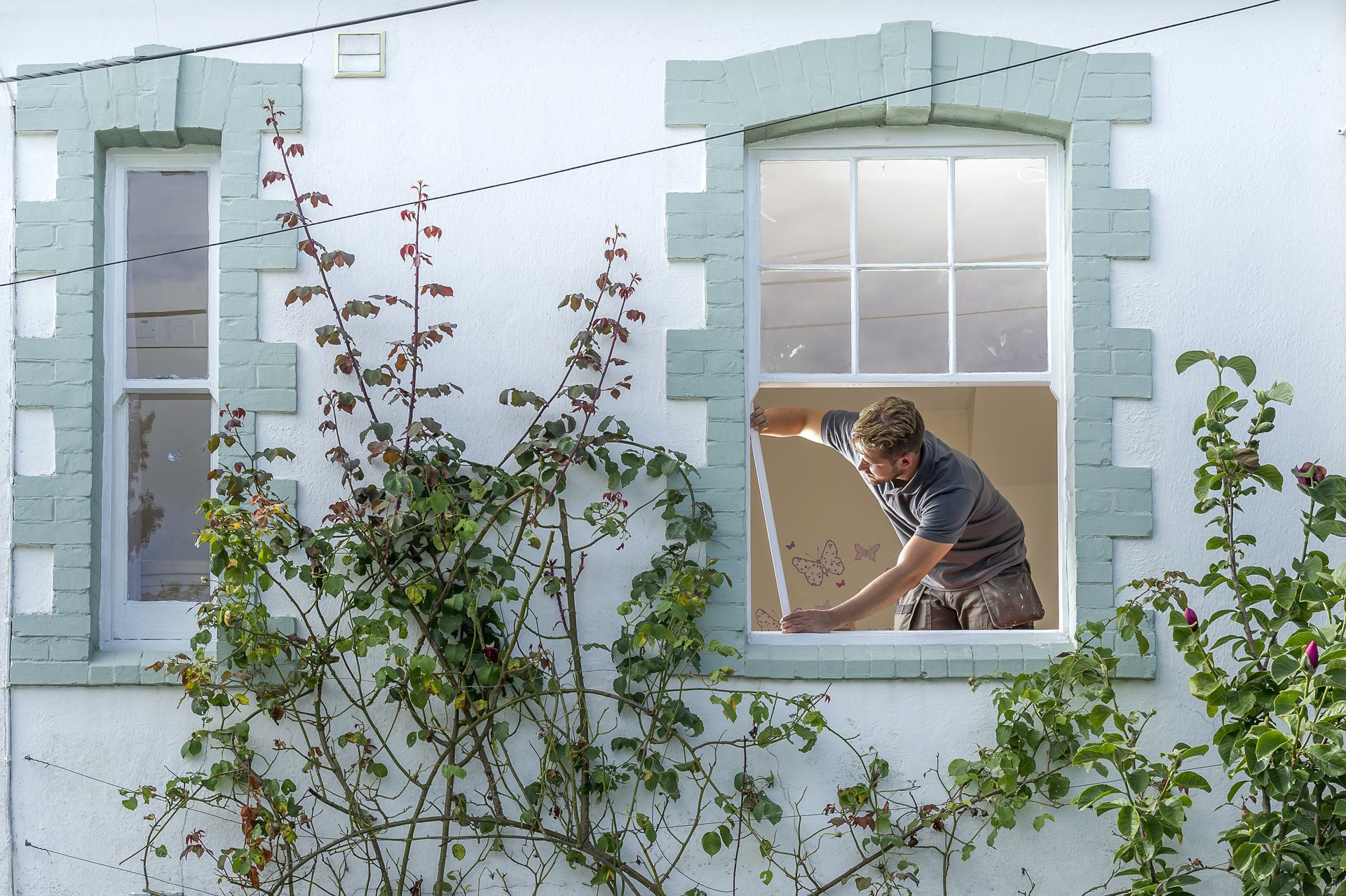
Adequate ventilation in our homes and workplaces is vital for several reasons: maintaining good indoor air quality for human health; regulating moisture and preventing mould; comfort and temperature control; energy efficiency; and regulatory compliance.
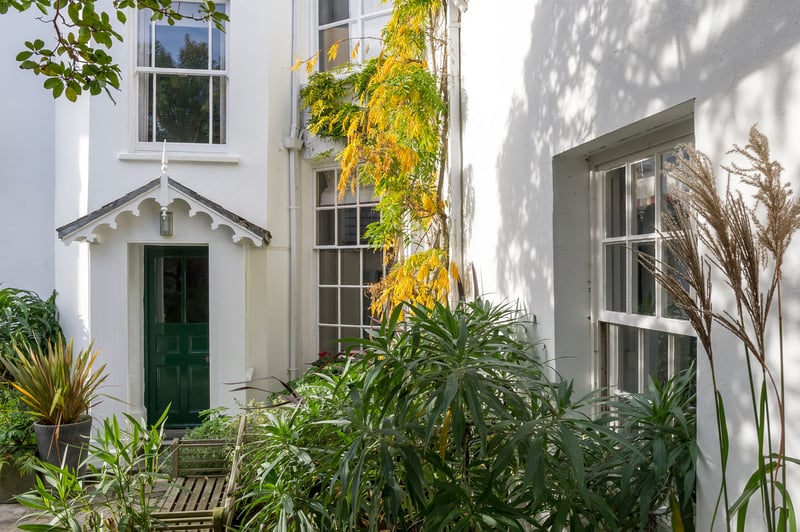
Traditional buildings tend to be well equipped to provide year-round ventilation through the uncontrolled infiltration of air via windows, doors, chimneys and gaps in the building fabric. In addition, they naturally regulate moisture thanks to their breathable, permeable construction. They can also remain relatively cool in hot weather due to the thermal mass of their thick, solid walls and because they are often built directly onto the earth, which remains at a consistently cool temperature.
However, efforts to improve thermal comfort and reduce heat loss through insulation and draught-proofing can affect a building’s ability to ventilate effectively. When retrofitting for warmth, there is a risk that measures applied in isolation may lead to overheating in hot weather or worsen existing damp and moisture-related issues. In addition, a lack of maintenance or the use of inappropriate materials by previous owners can compromise ventilation and moisture regulation – for example, by painting windows shut or introducing non-breathable materials.
We take a whole-building approach, ensuring improvements are considered as part of an integrated strategy rather than in isolation. By assessing the building fabric, services, occupants and wider context, we identify balanced solutions that improve performance while avoiding unintended consequences.
Passive ventilation and cooling
Many of our services support and enhance passive ventilation and cooling, including:
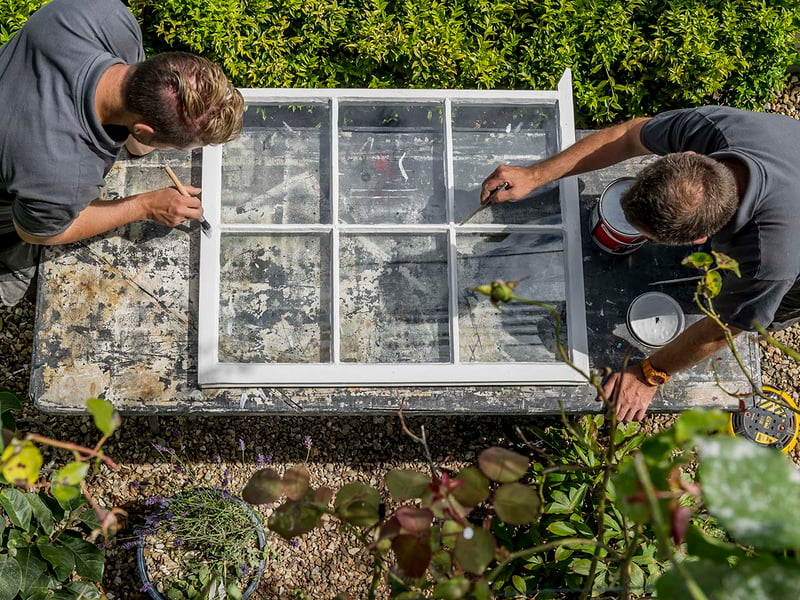
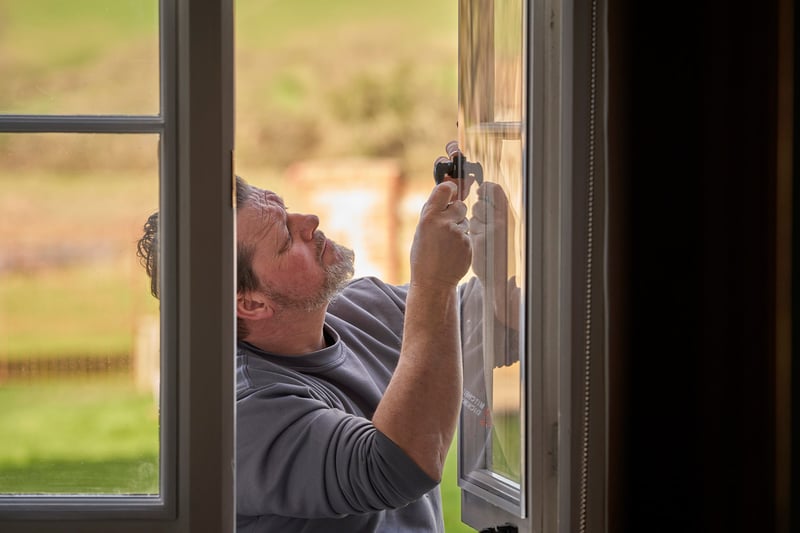
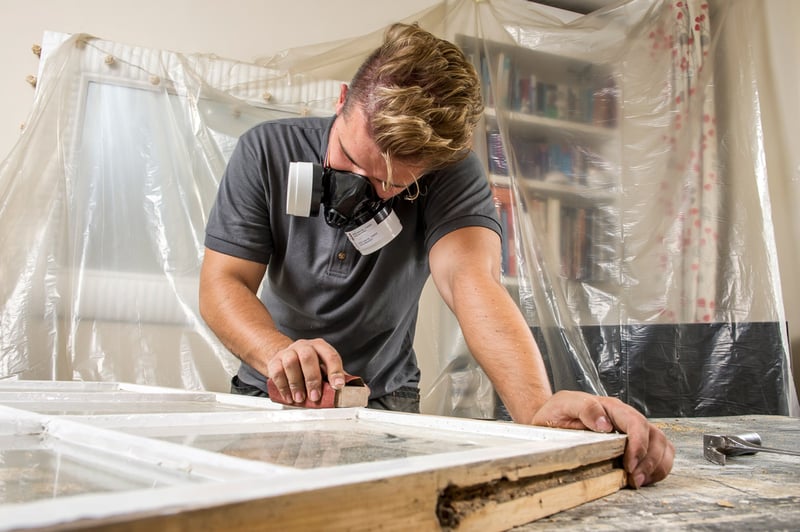
- Window and door restoration and draught proofing enables smooth, reliable operation, making it easier to open windows and doors for cross, stack and purge ventilation
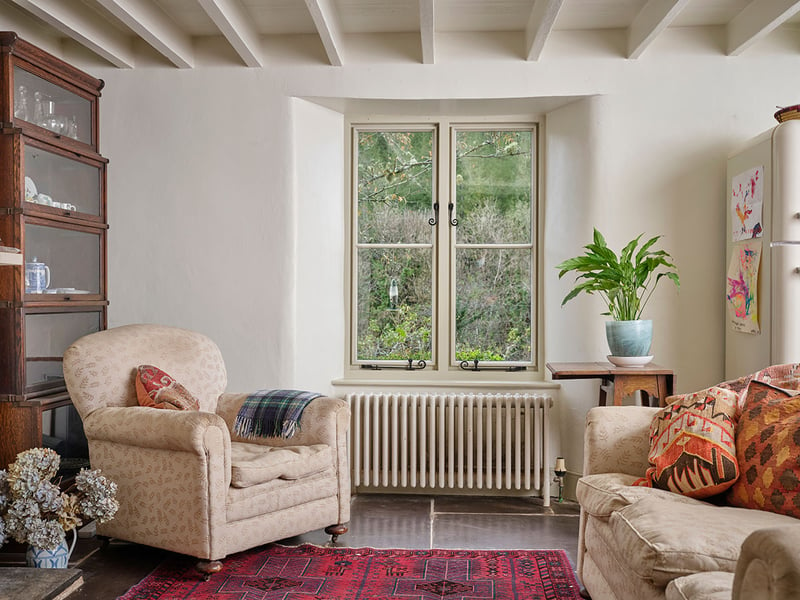
- CosyGlazing, our fully integrated secondary glazing system, does not restrict access to your windows, allowing them to operate as designed and open fully for ventilation
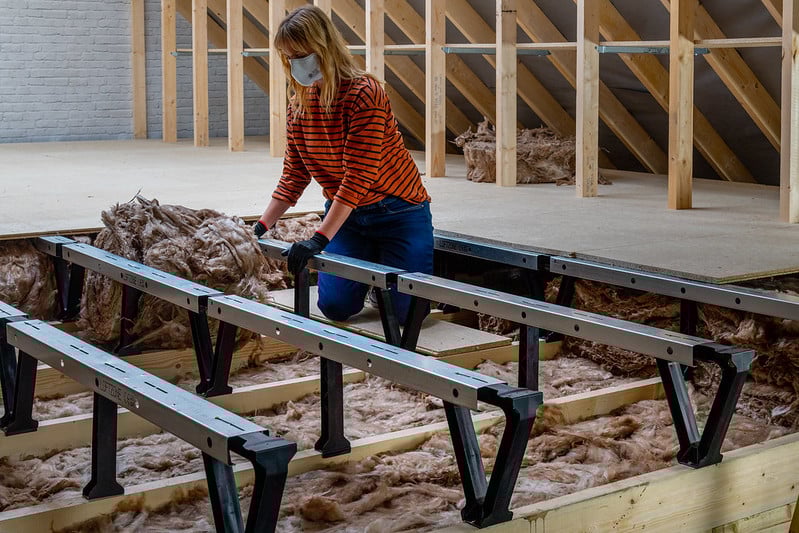
- Natural fibre insulation helps retain heat in winter while reducing overheating in summer by limiting heat transfer through lofts and roofs. As part of the installation, we ensure lofts, roofs and suspended floors are well ventilated to optimise insulation performance and moisture management
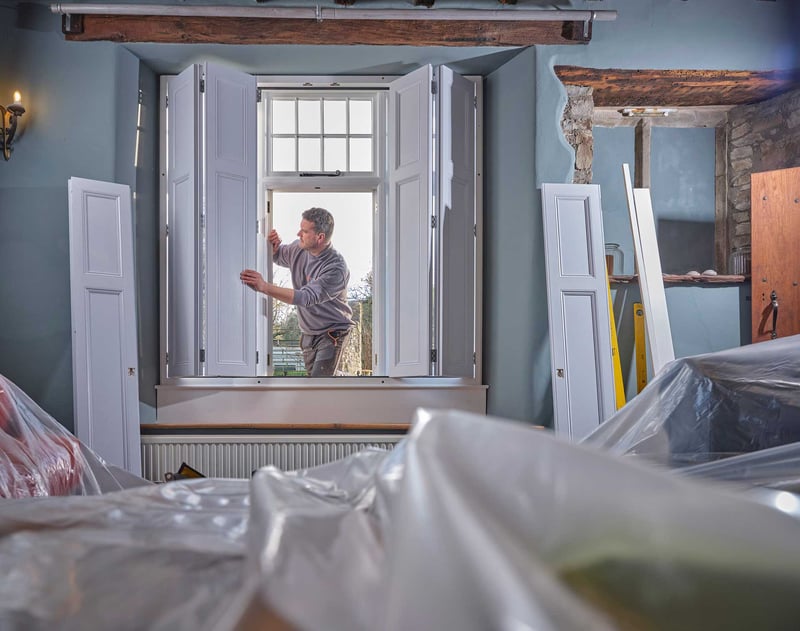
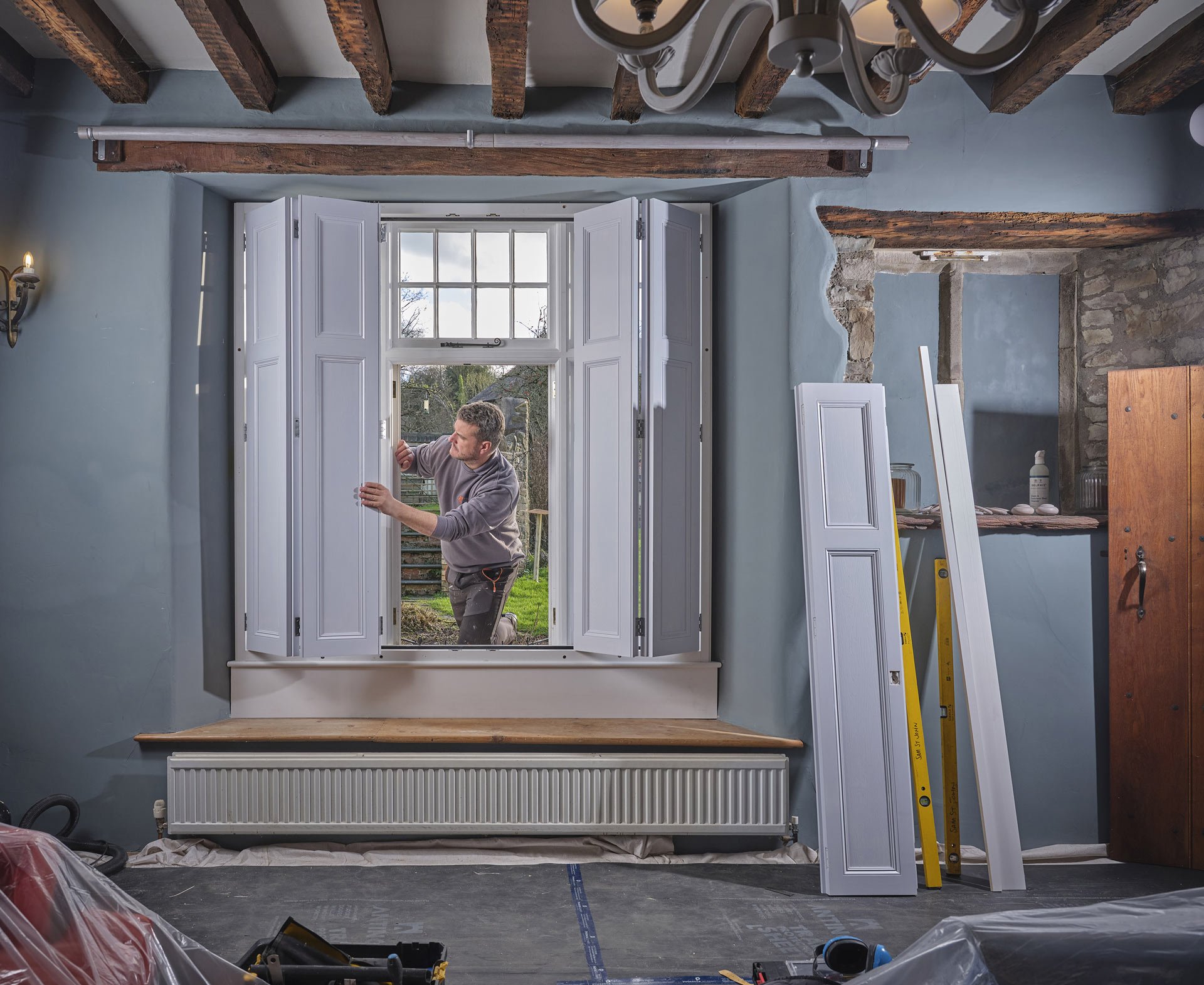
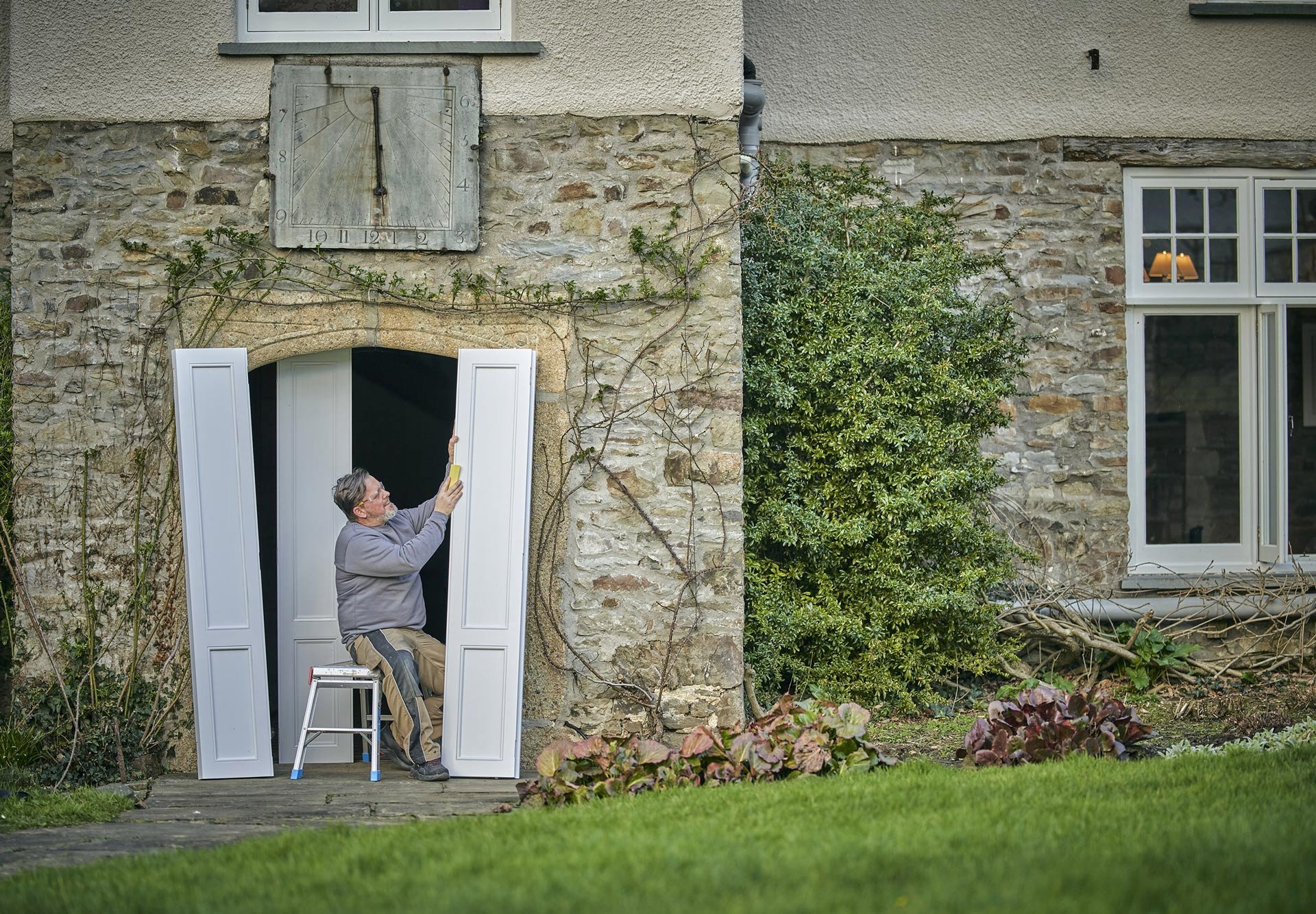
- Restoring original shutters or installing new handcrafted shutters provides shade and reduces solar gain while allowing windows to remain open for effective crossflow ventilation
Active ventilation
In certain cases, passive strategies may not provide sufficient ventilation, and active mechanical ventilation may be required.
Demand-controlled mechanical extract ventilation (DCV)
These smart, humidity-controlled extract fans operate continuously at a low rate and automatically boost when the humidity levels rise. They are inexpensive to run, require little maintenance and are well suited to bathrooms and kitchens where passive ventilation is not possible or would benefit from additional support. Typically the same size as standard intermittent extractor fans (usually operated by the light switch, they can often be installed as a straightforward upgrade.
Mechanical heat recovery and ventilation systems (MVHR)
These systems can serve individual rooms or an entire building. Stale, humid air passes through a heat exchanger, transferring its warmth to incoming fresh air. This provides a continuous supply of fresh air while recycling up to 80–90% of the heat that would otherwise be lost.
These systems require a relatively well-sealed building, or well-sealed rooms or zones, and are therefore usually incorporated as part of a wider renovation or retrofit project. Solutions range from small, single-room units, each requiring an external vent, to larger centralised systems, typically installed in a loft and approximately the size of a small refrigerator, with ductwork serving multiple rooms.
As specialists in period and listed buildings, we understand that ventilation improvements need to be sensitive to a building’s historic heritage. We adopt a minimal-intervention approach, making use of existing integral external ventilation grilles wherever possible, minimising the need for core drilling through external walls, utilising existing duct routes where possible, keeping new internal ductwork to a minimum, and selecting external cowls that blend sympathetically with the building fabric.
Note that listed building consent may be required for some installations, and we can assist with the application process.
Advice and consultancy
While ventilation is considered part of all our standard surveys, we also offer specialist, in-depth ventilation assessments tailored to your building and the specific issues you wish to address.