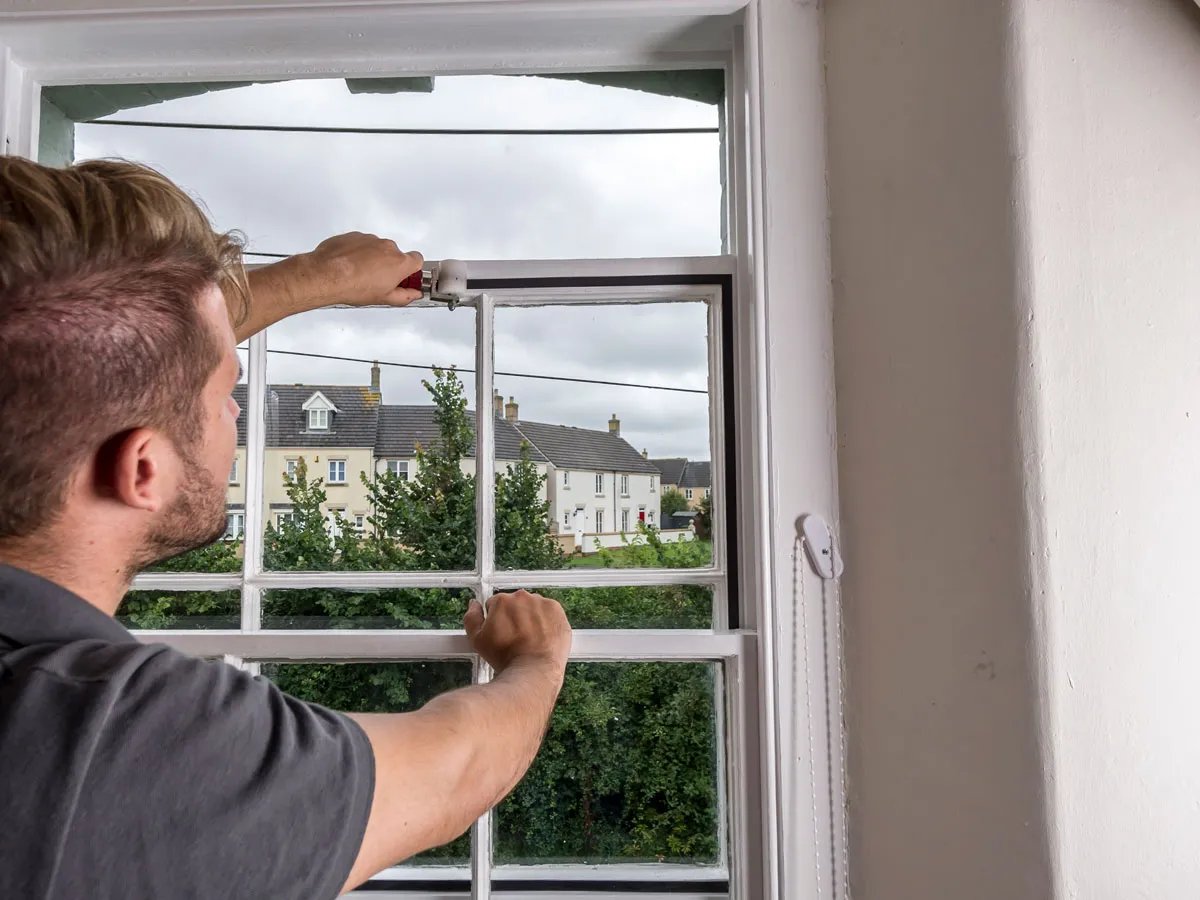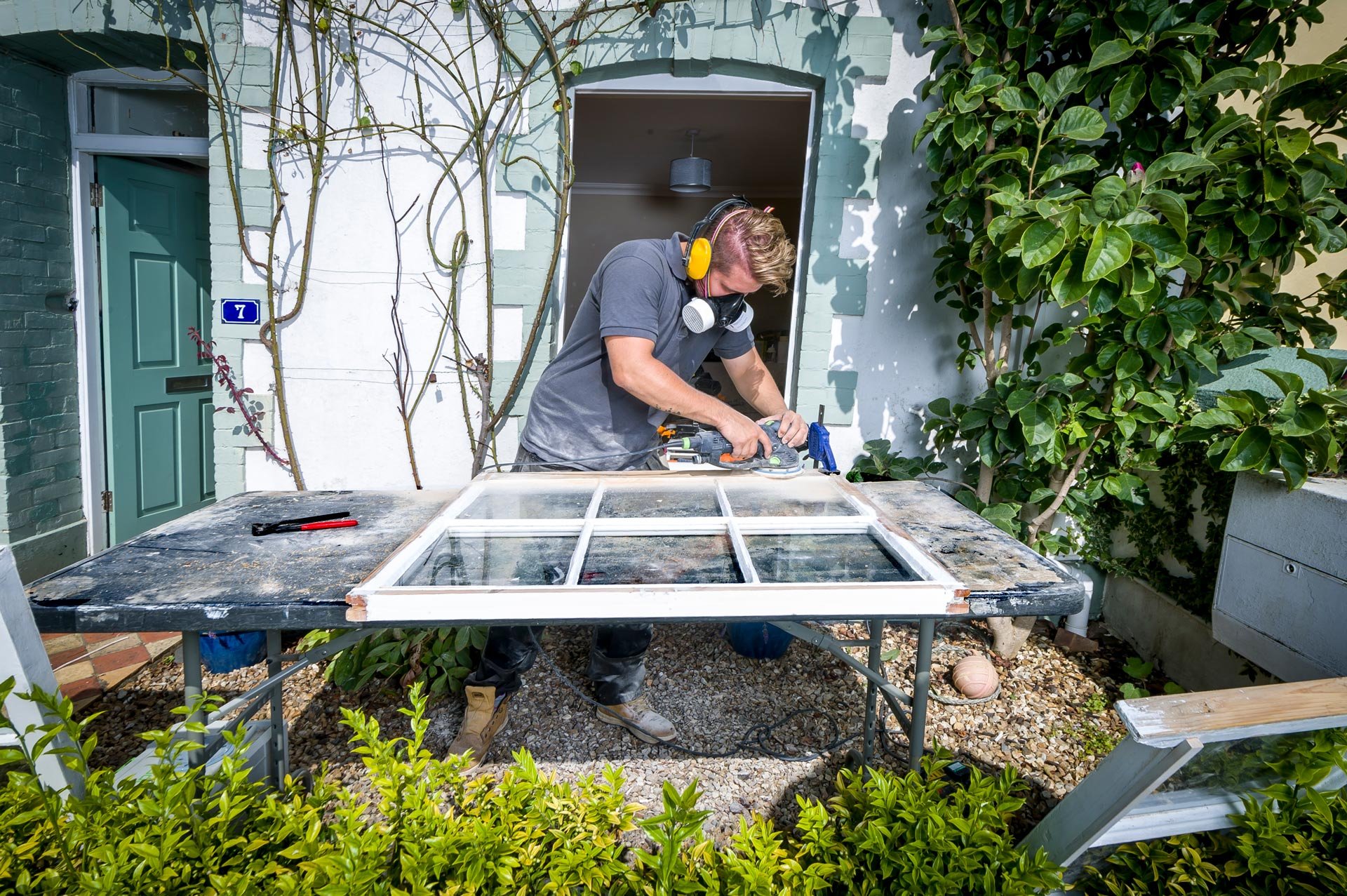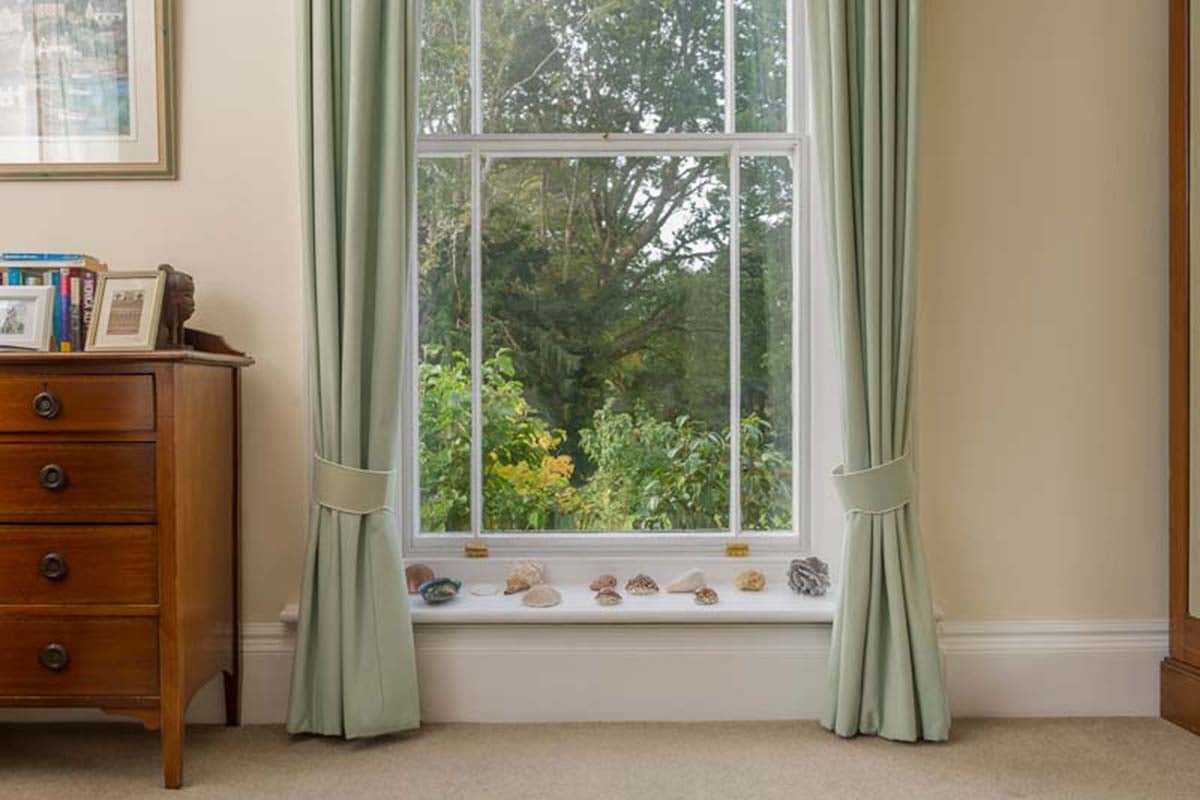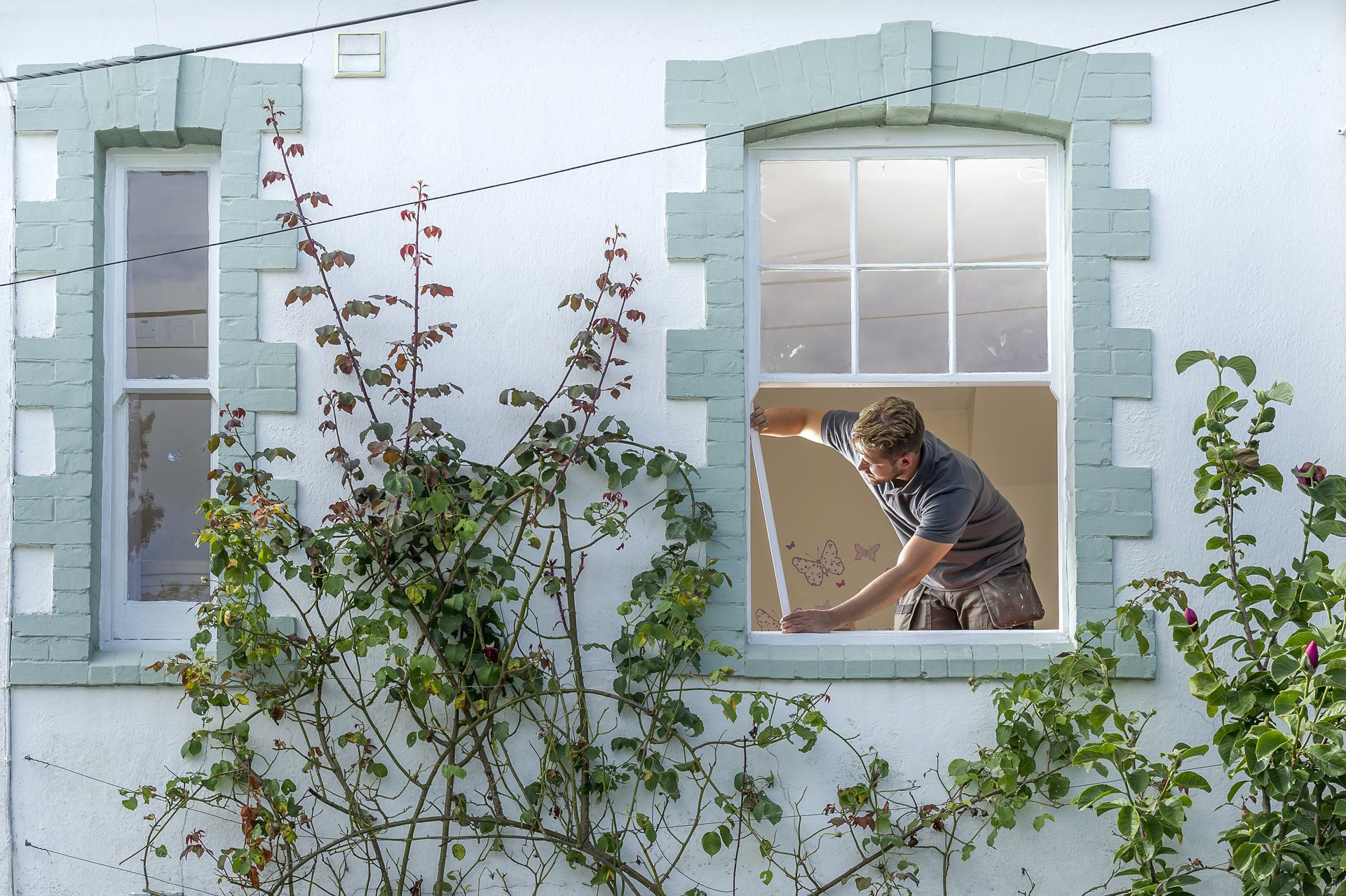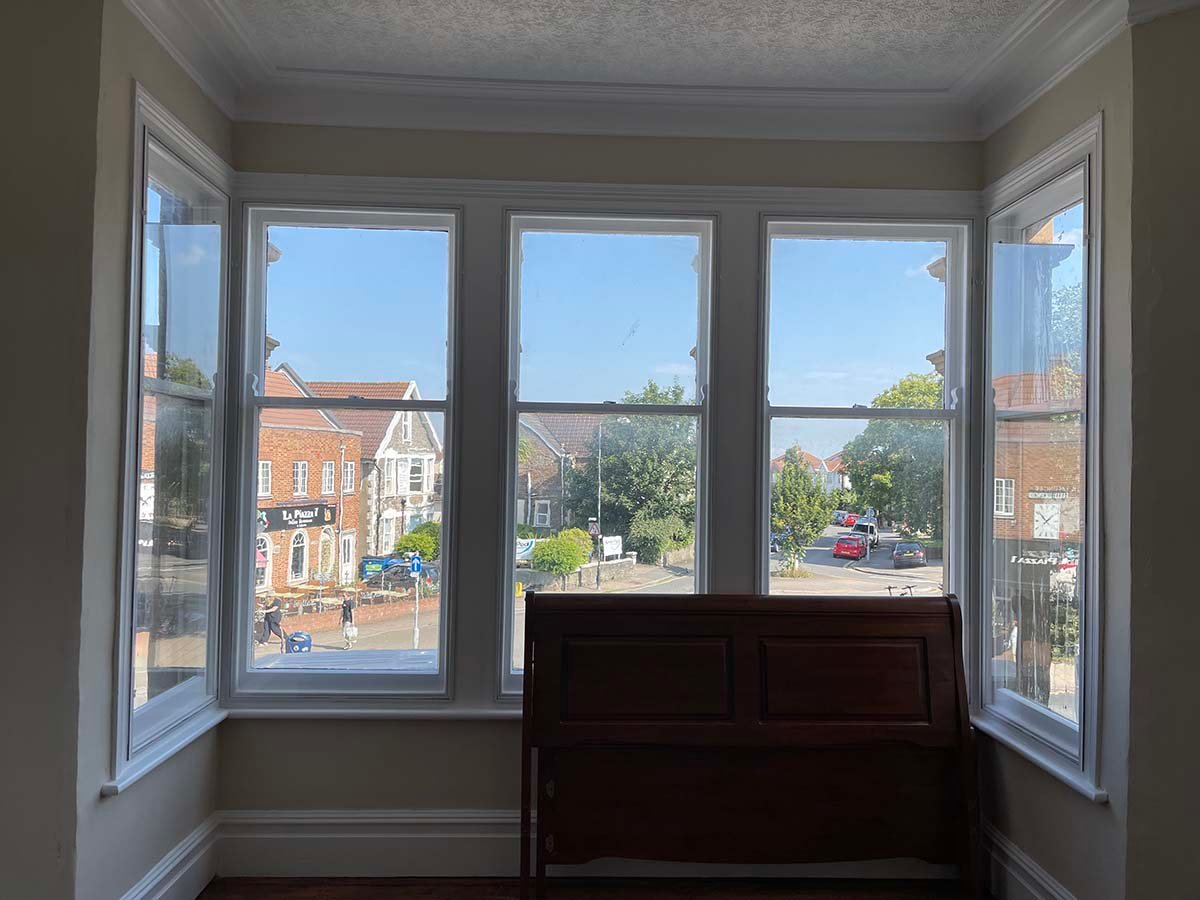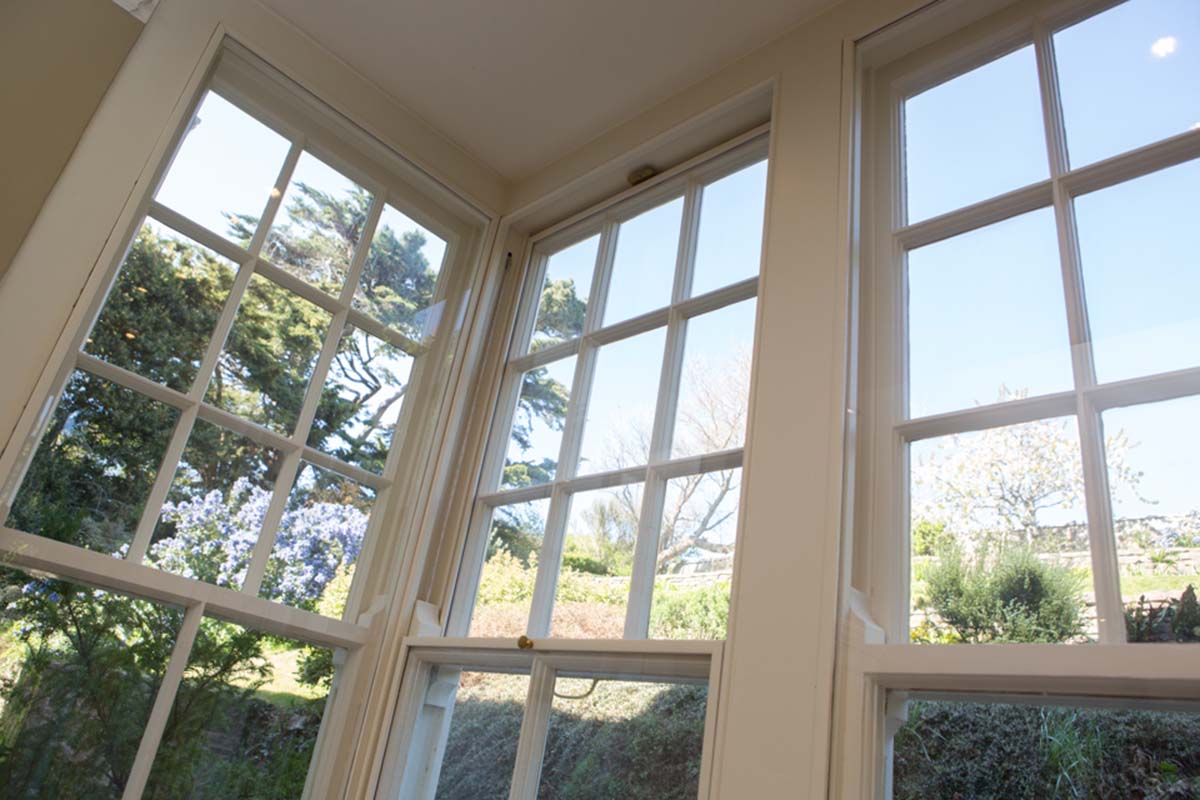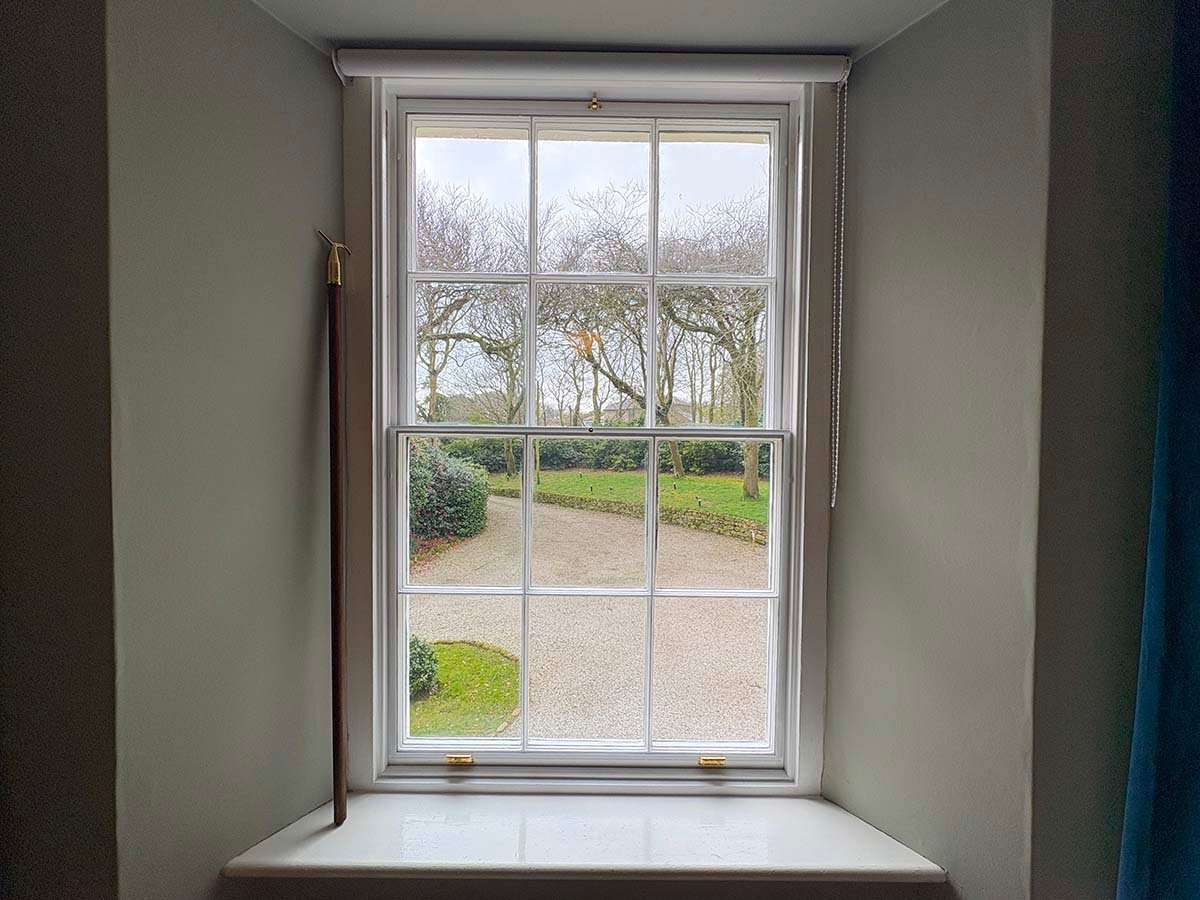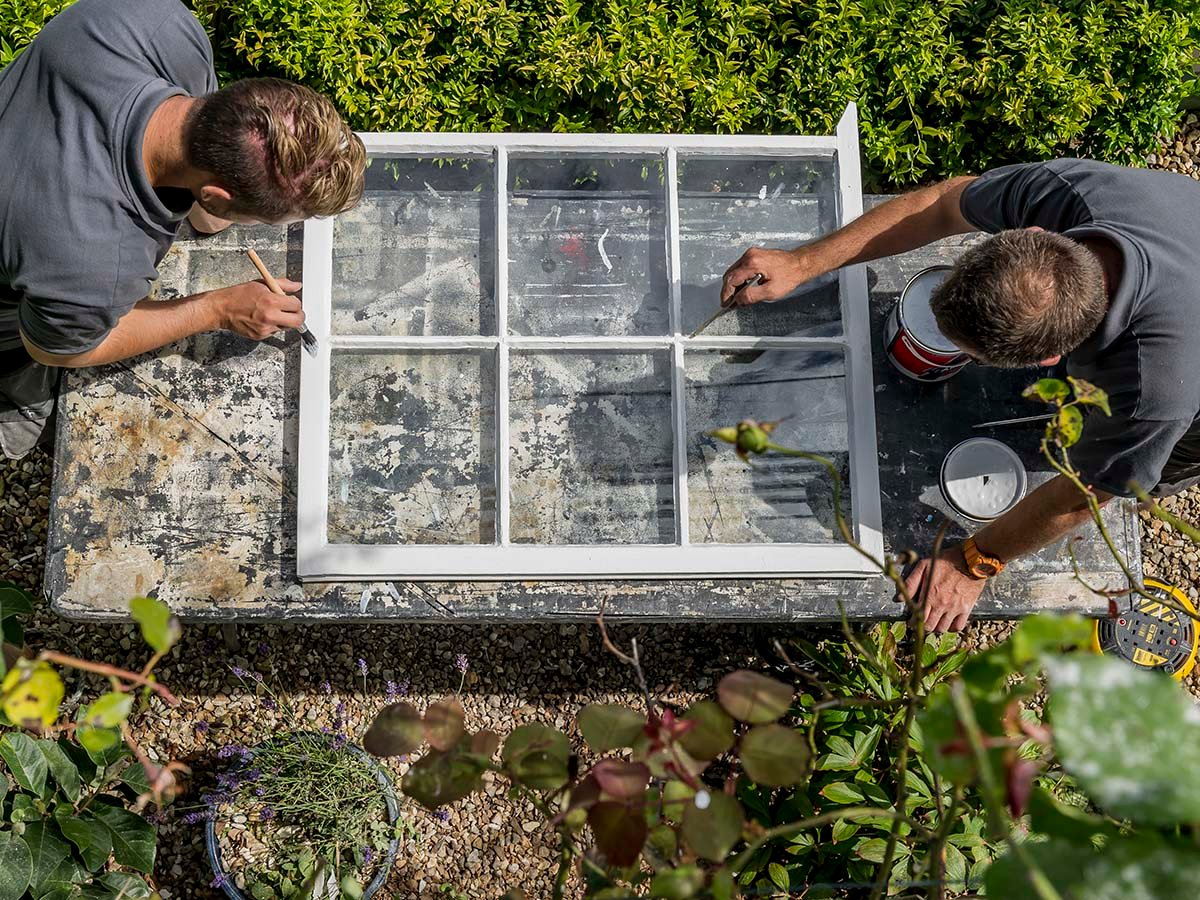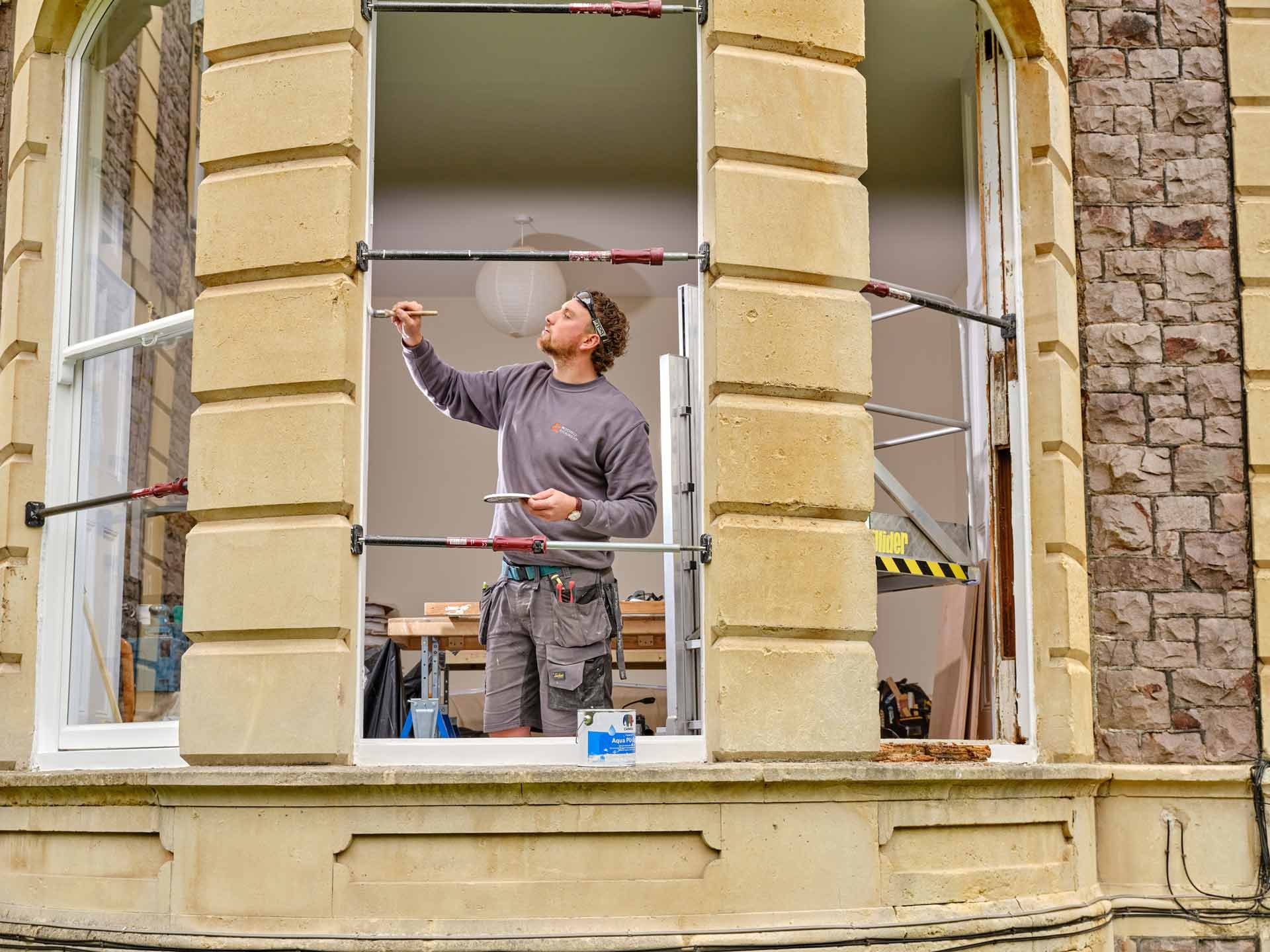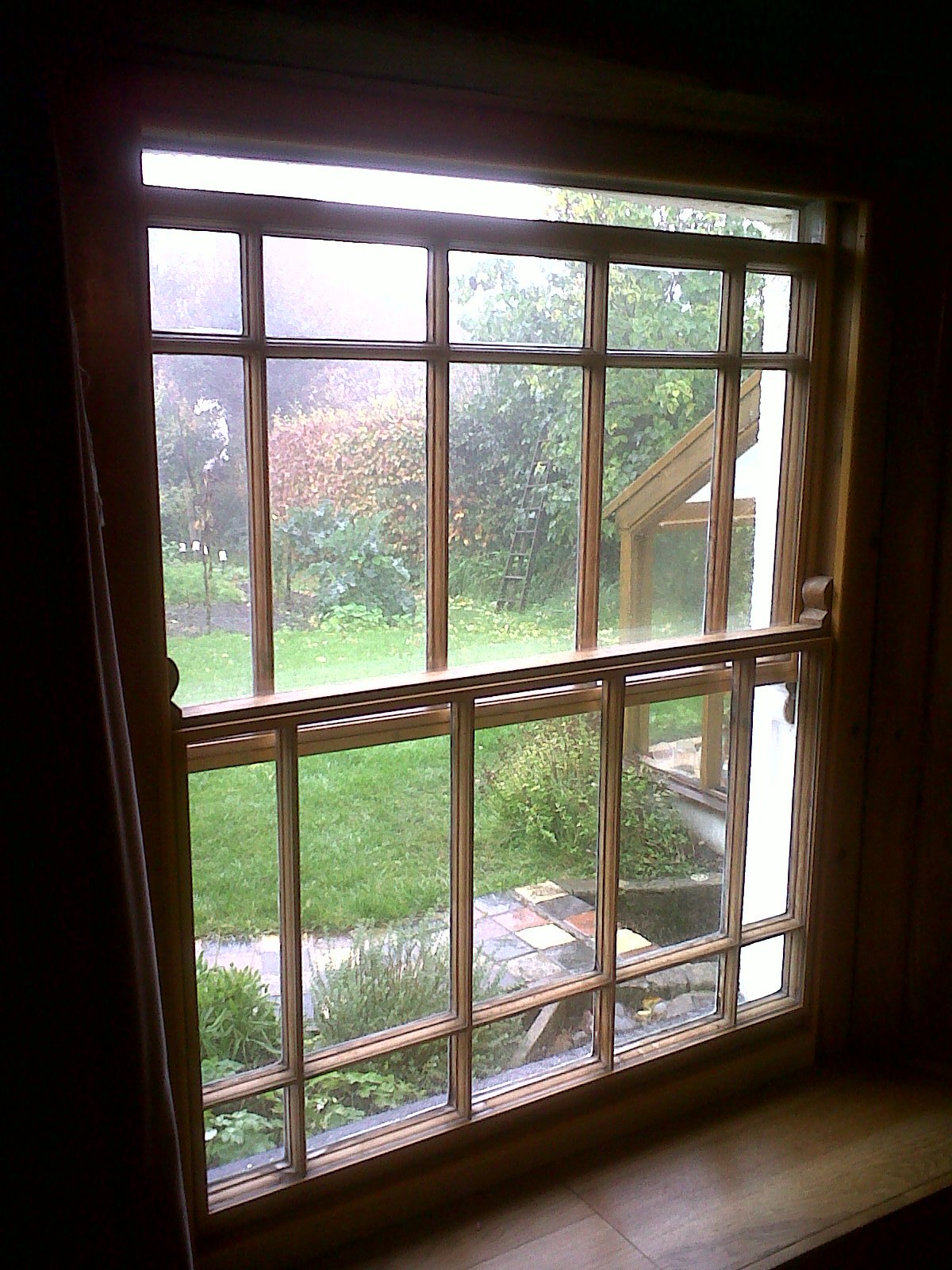
High-quality secondary glazing can last for decades when properly designed, installed and maintained. The lifespan depends on the materials used, installation quality and how the windows are cared for over time.
What Affects the Lifespan of Secondary Glazing?
Several factors influence how long secondary glazing remains effective, including:
- installation quality
- material quality
- window condition
- exposure to sunlight and moisture
- ongoing maintenance
Specialist systems designed for period homes are typically built for long-term performance.
How Long Do Secondary Glazing Panels Typically Last?
Well-designed secondary glazing systems can often remain effective for 20–30 years or longer. As part of our CosyGlazing secondary glazing solution, Mitchell & Dickinson use Perspex plexiglass – a modern, lightweight equivalent to glass that’s used in the aeronautical industry.
Modern acrylic and plexiglass systems are designed to resist:
- UV damage
- discolouration
- warping
- cracking
The supporting components, seals and fittings also play an important role in long-term durability.
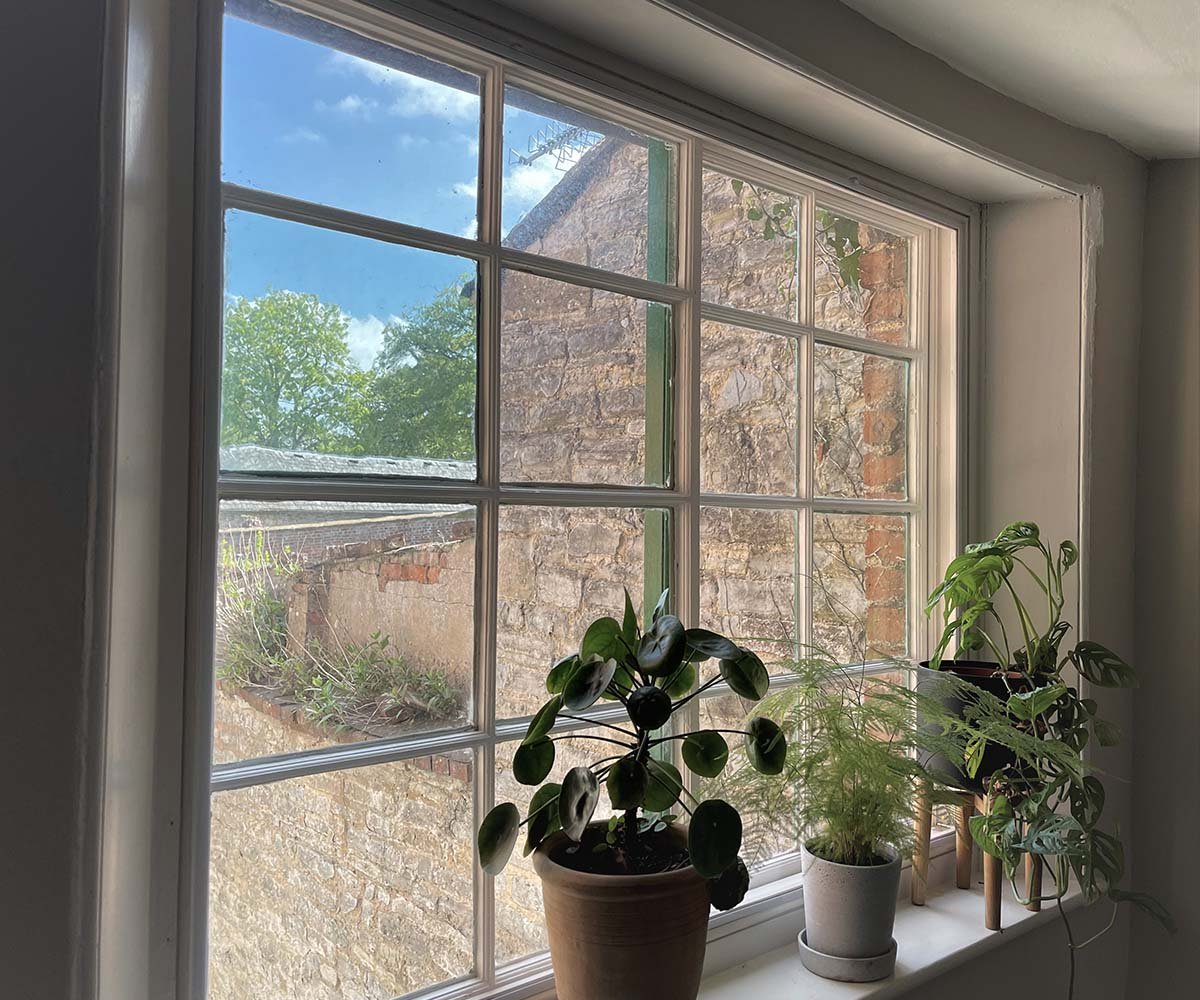
Does Secondary Glazing Lose Effectiveness Over Time?
Not necessarily.
If properly maintained, secondary glazing should continue to:
- reduce draughts
- improve insulation
- minimise condensation
- improve acoustic performance
However, the original windows themselves will also require periodic maintenance.
How Do You Maintain Secondary Glazing?
Maintenance is generally minimal.
Typical care includes:
- cleaning the panels
- checking seals and fittings
- maintaining the original windows
- ensuring good ventilation
- Keeping paintwork and putty in good condition also helps protect the original window structure.
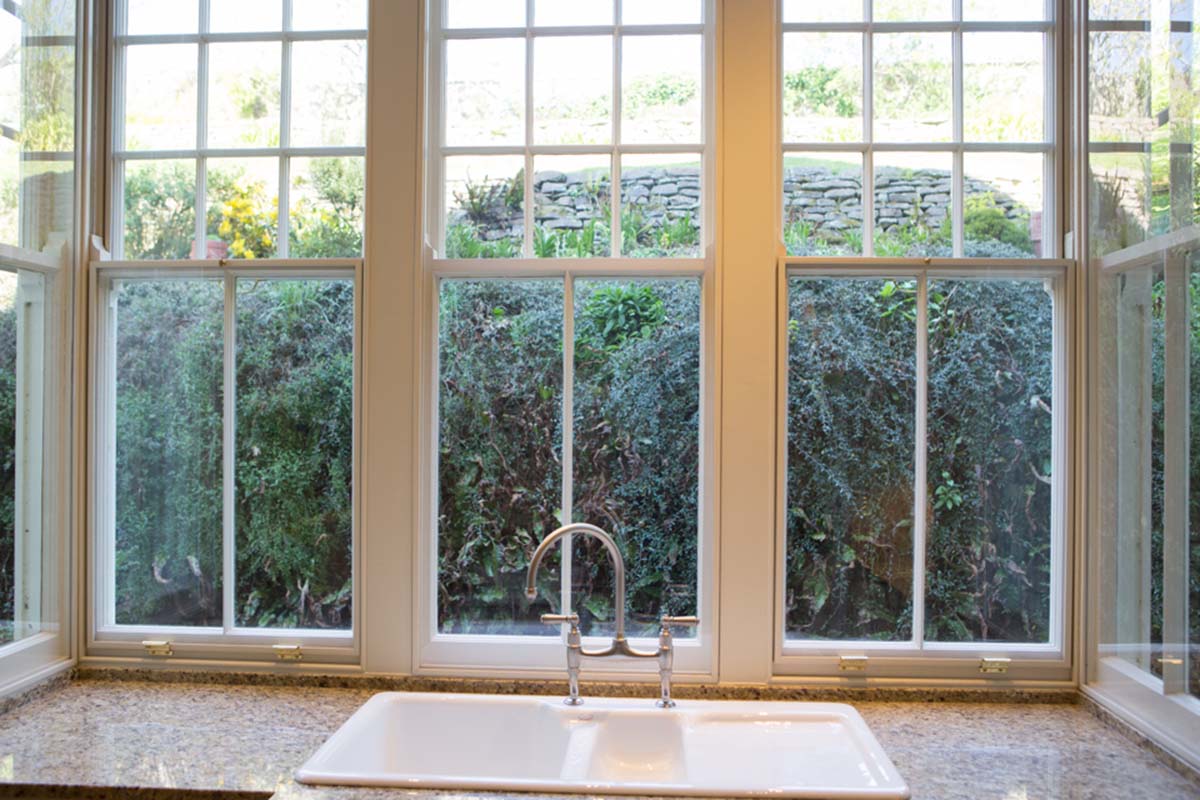
Can Secondary Glazing Be Removed or Replaced?
Yes. Many systems are designed to be removable for cleaning and maintenance. Mitchell & Dickinson’s CosyGlazing is the only integrated system that allows windows to function as intended.
This is especially useful in:
- listed buildings
- period homes
- properties with original sash windows
Is Secondary Glazing a Long-Term Solution?
For many period homeowners, yes.
Secondary glazing offers long-term benefits and is a way to improve:
- comfort
- thermal efficiency
- noise reduction
- condensation control
without replacing original windows.
Specialist Secondary Glazing for Period Homes
Mitchell & Dickinson specialise in secondary glazing systems designed specifically for heritage and listed properties.
Our bespoke solutions are designed for:
- long-term performance
- minimal visual impact
- improved comfort
- preservation of original windows
FAQs
Does secondary glazing need replacing?
High-quality systems can last for decades with proper maintenance.
Can secondary glazing become cloudy?
Modern acrylic systems are designed to resist UV damage and discolouration.
Is secondary glazing removable?
Yes, many systems are removable for cleaning and maintenance.