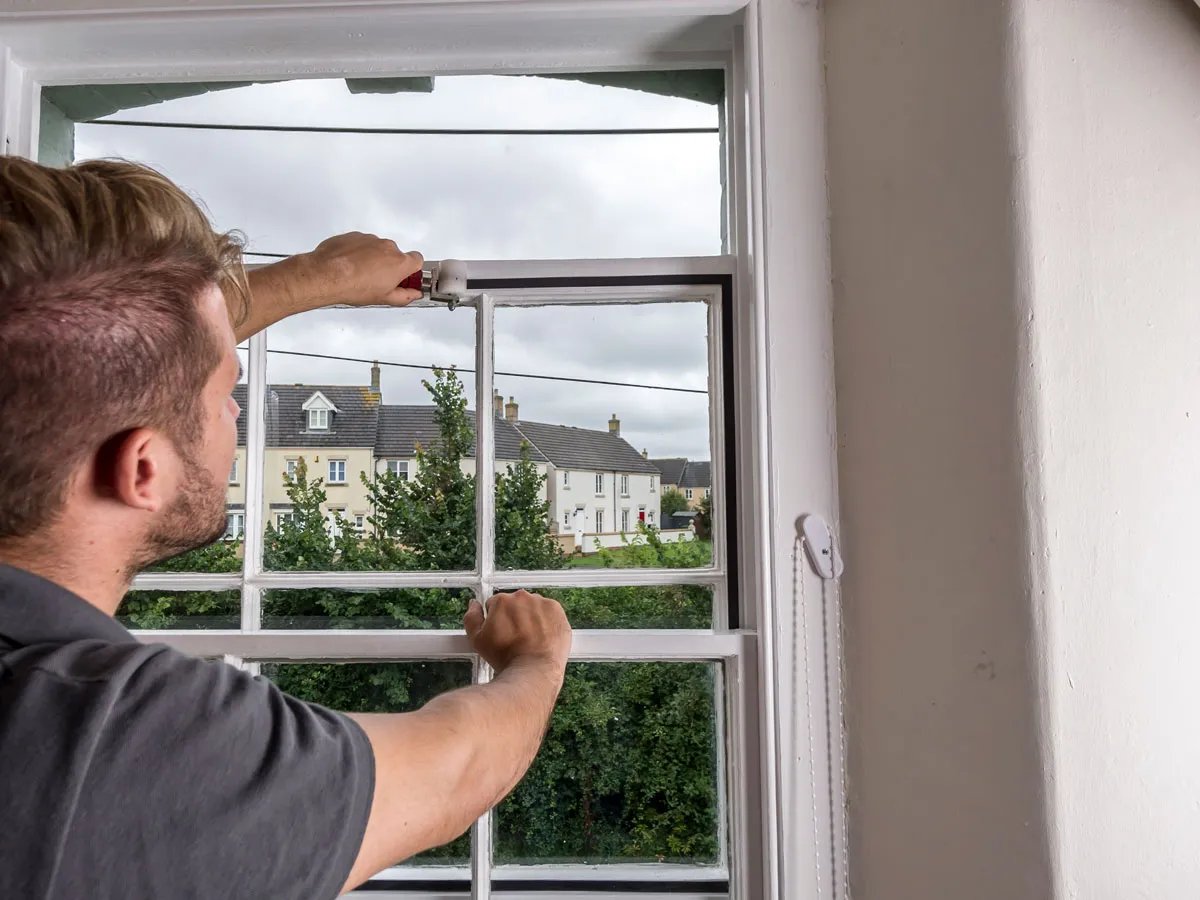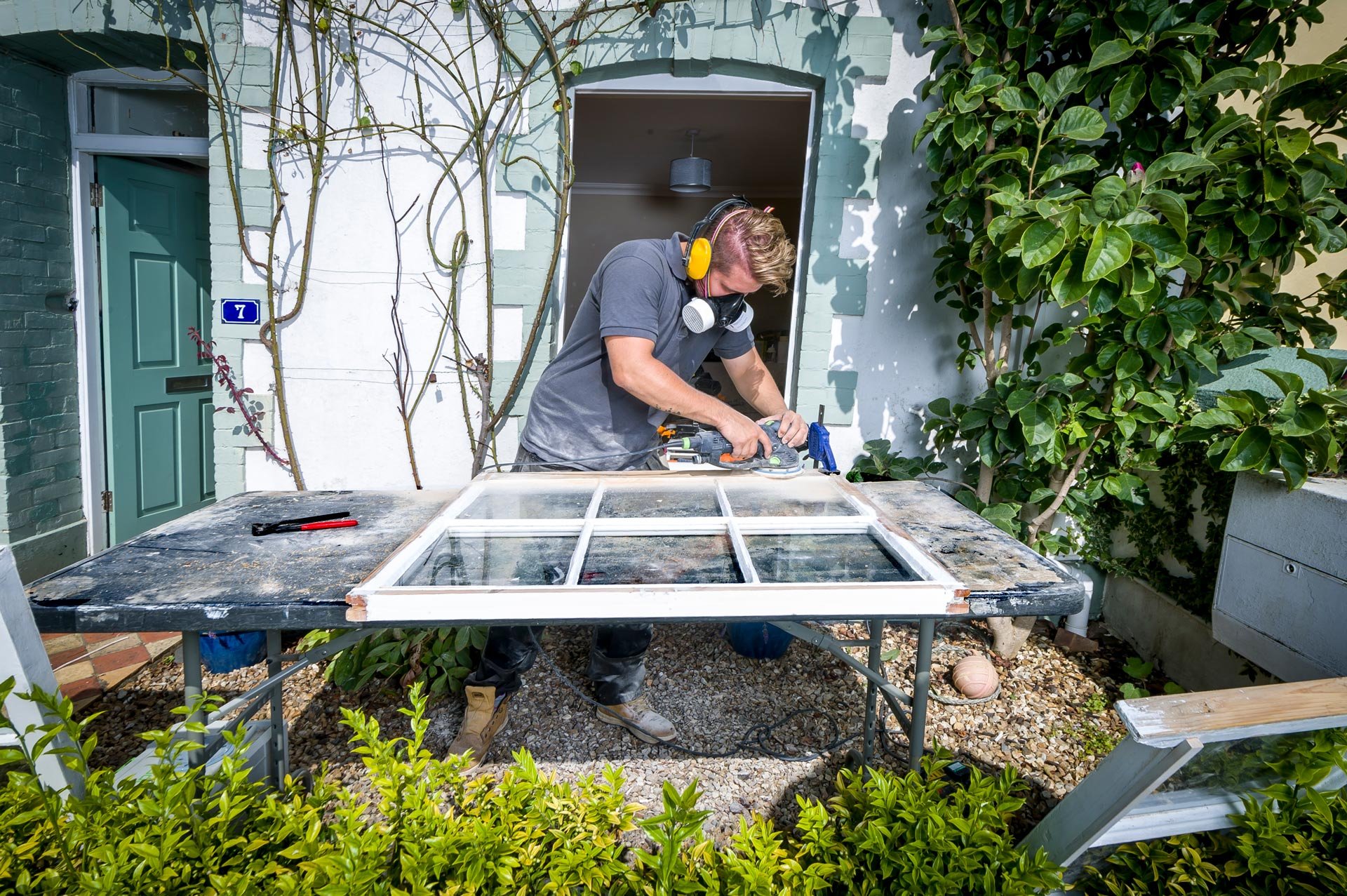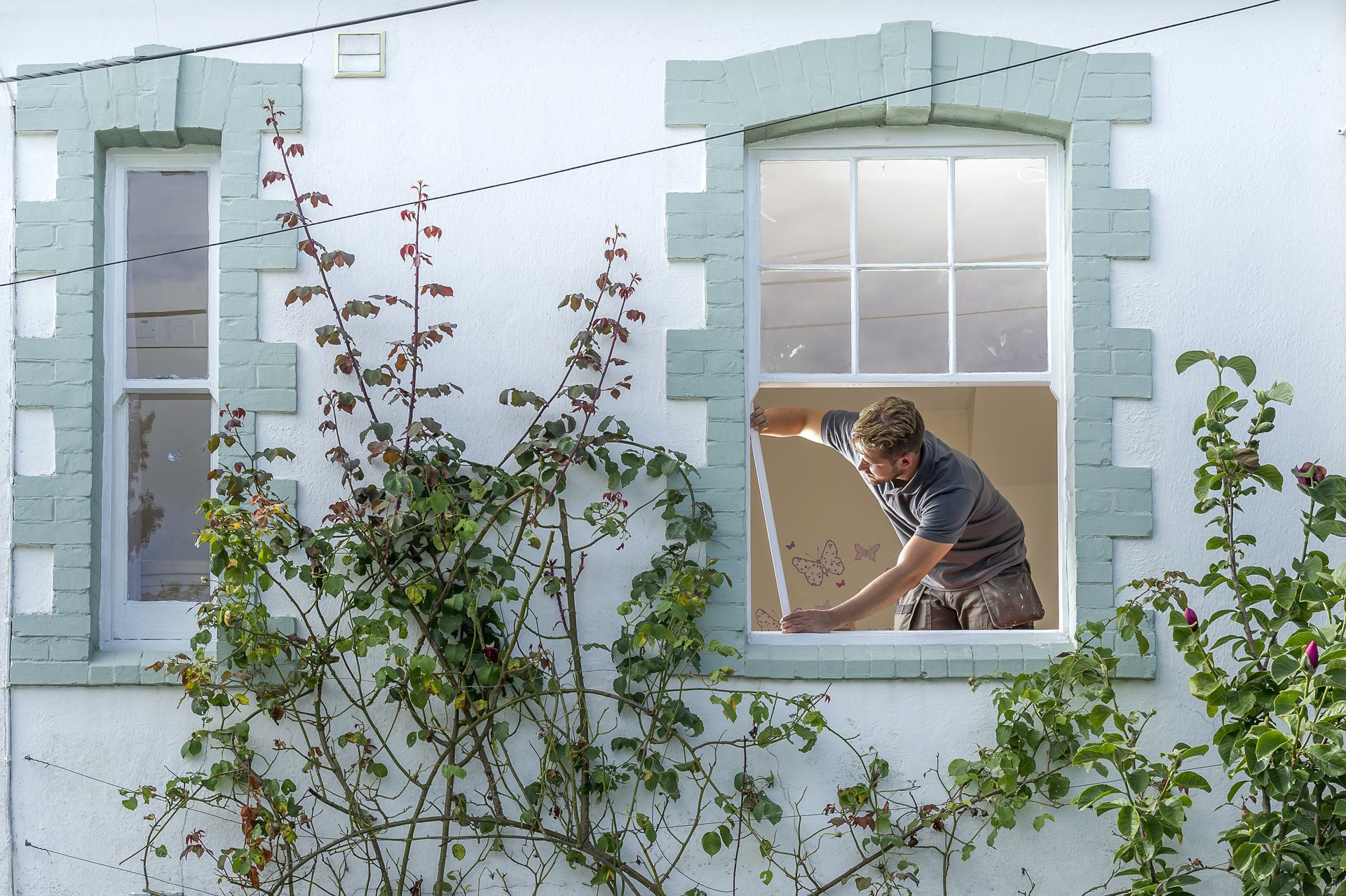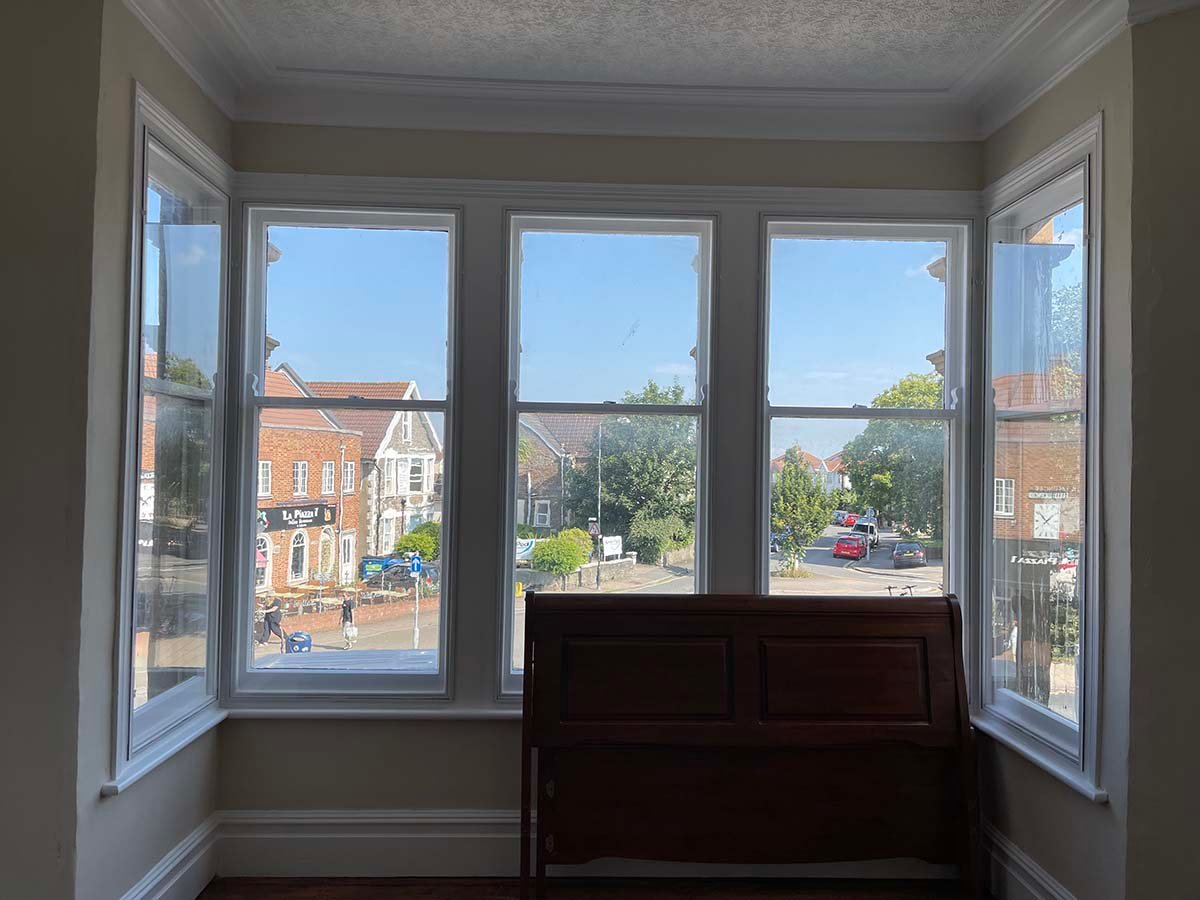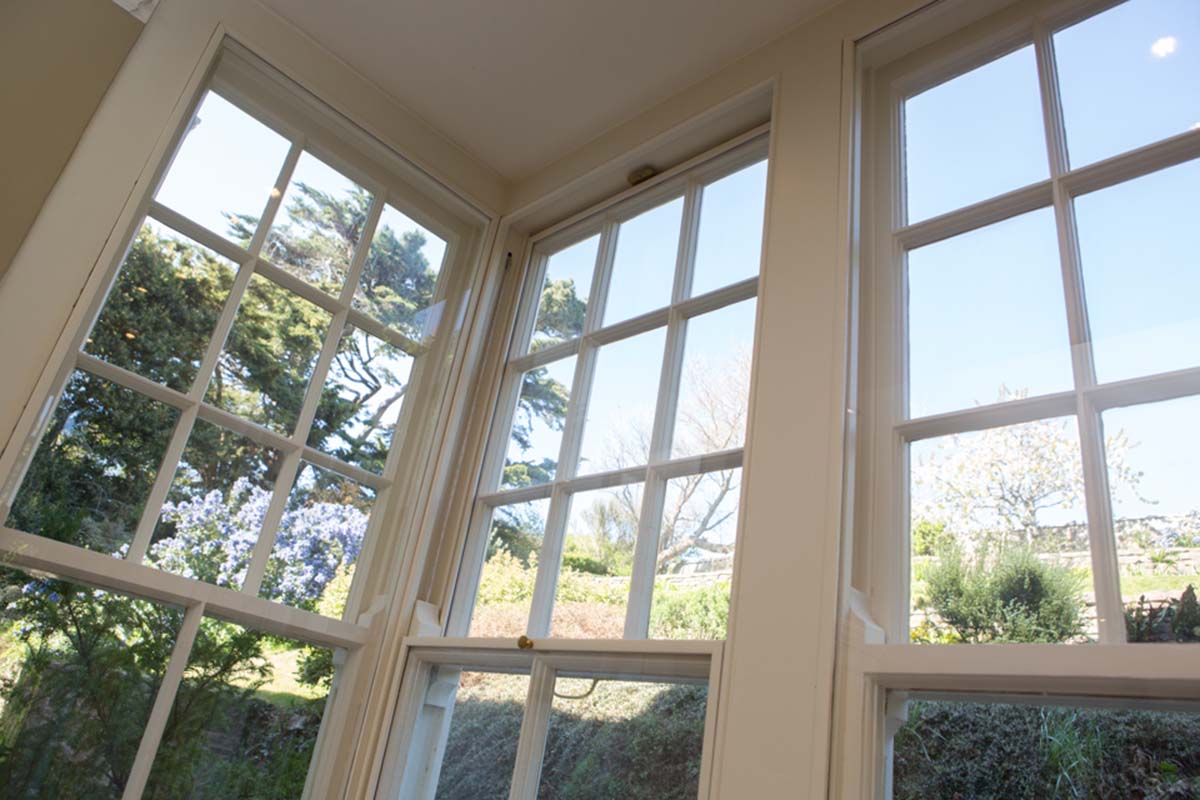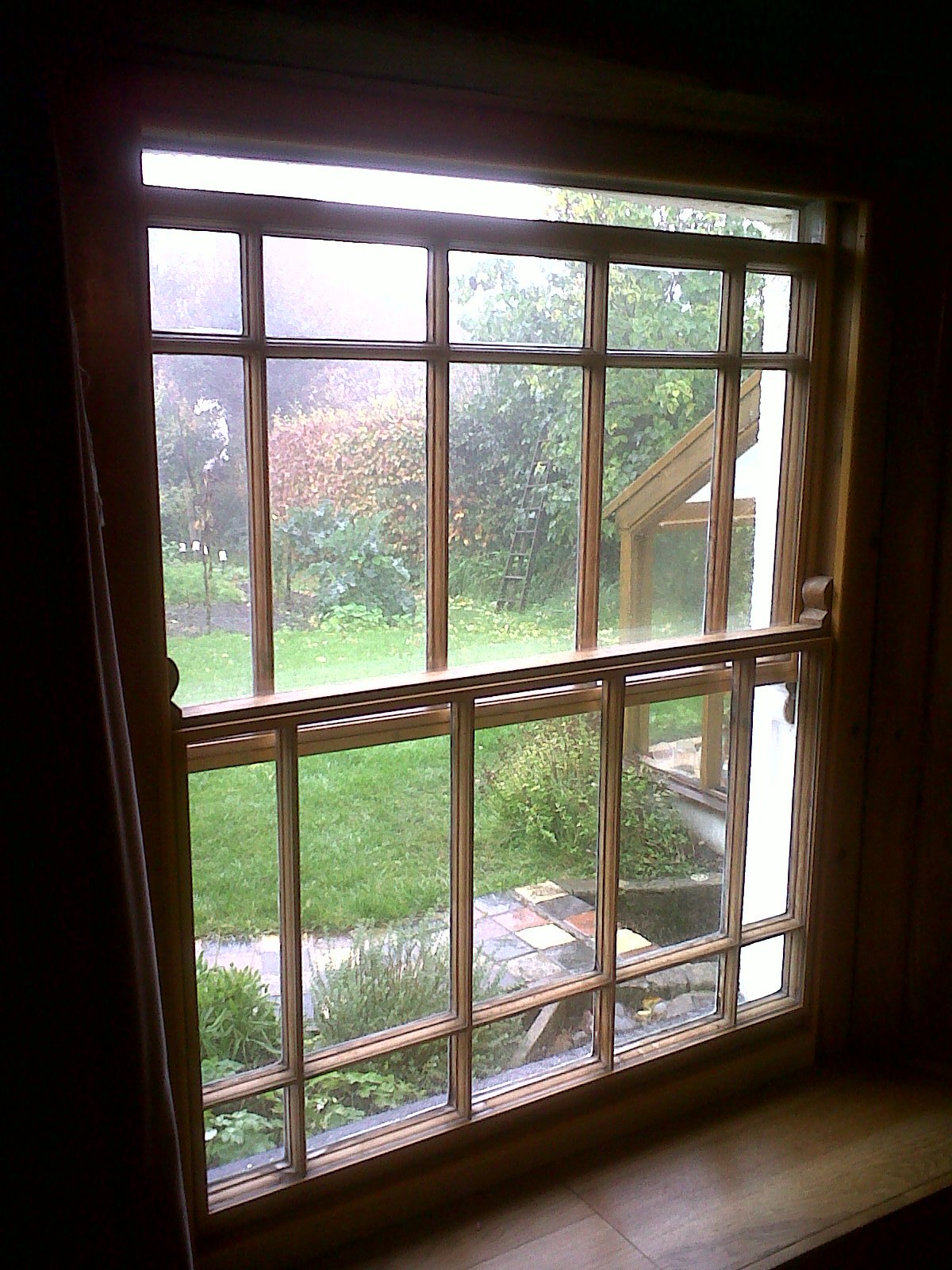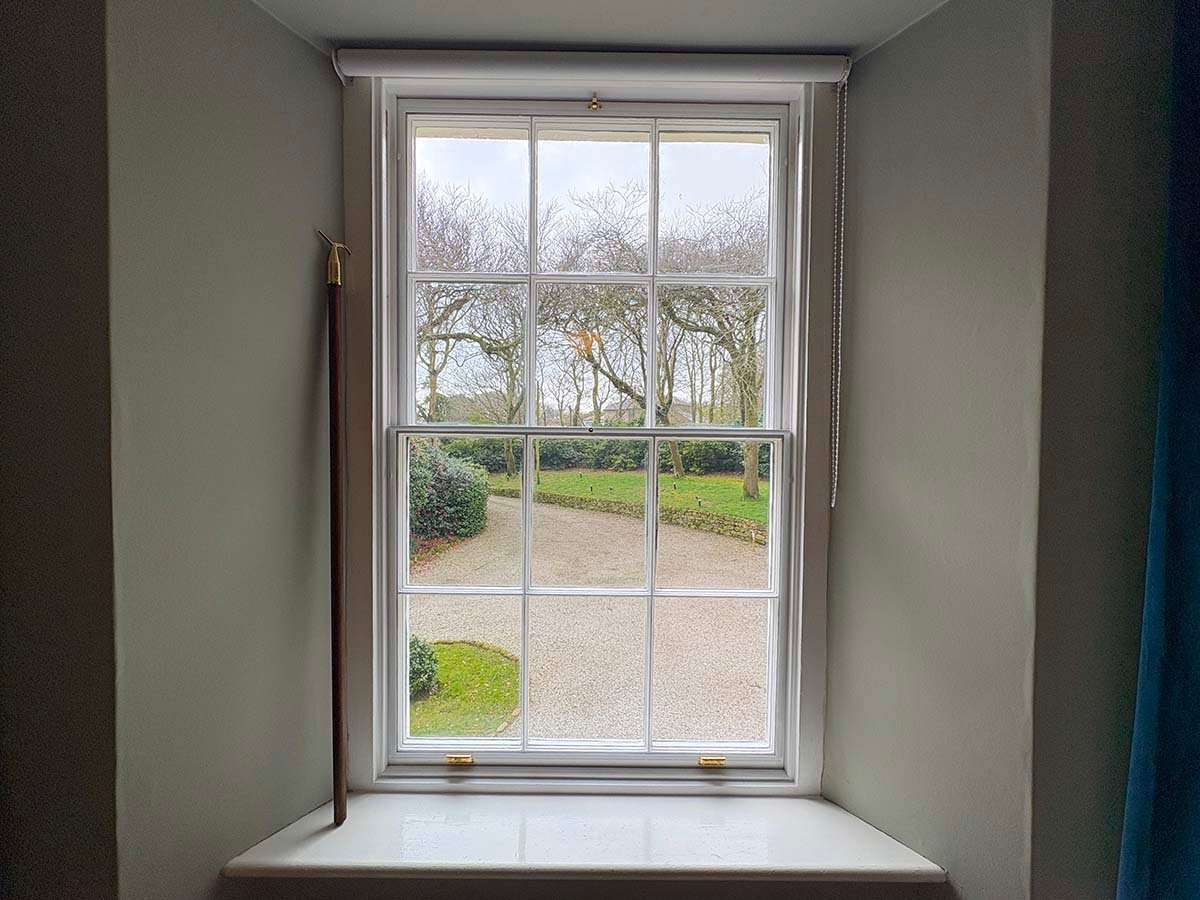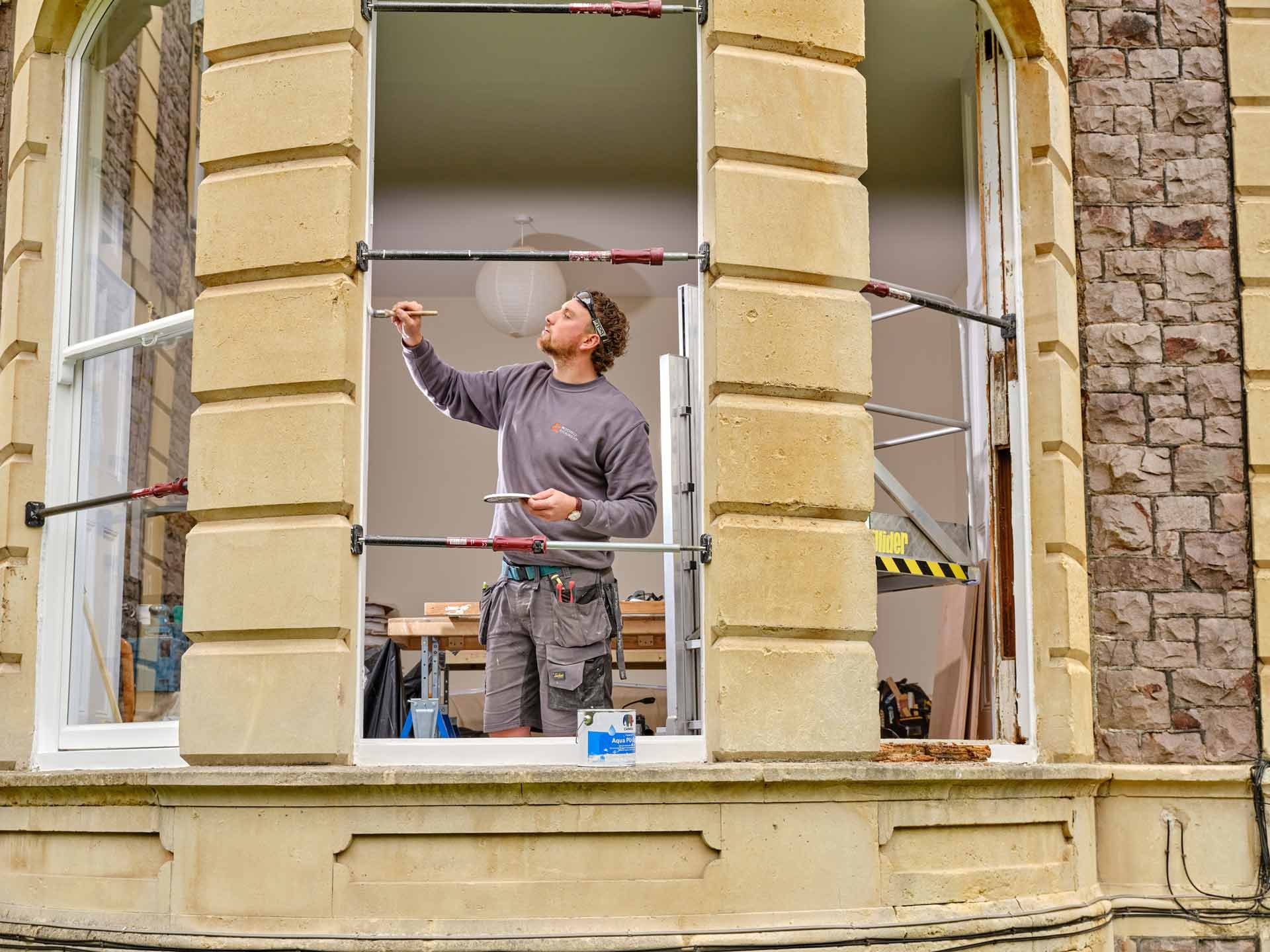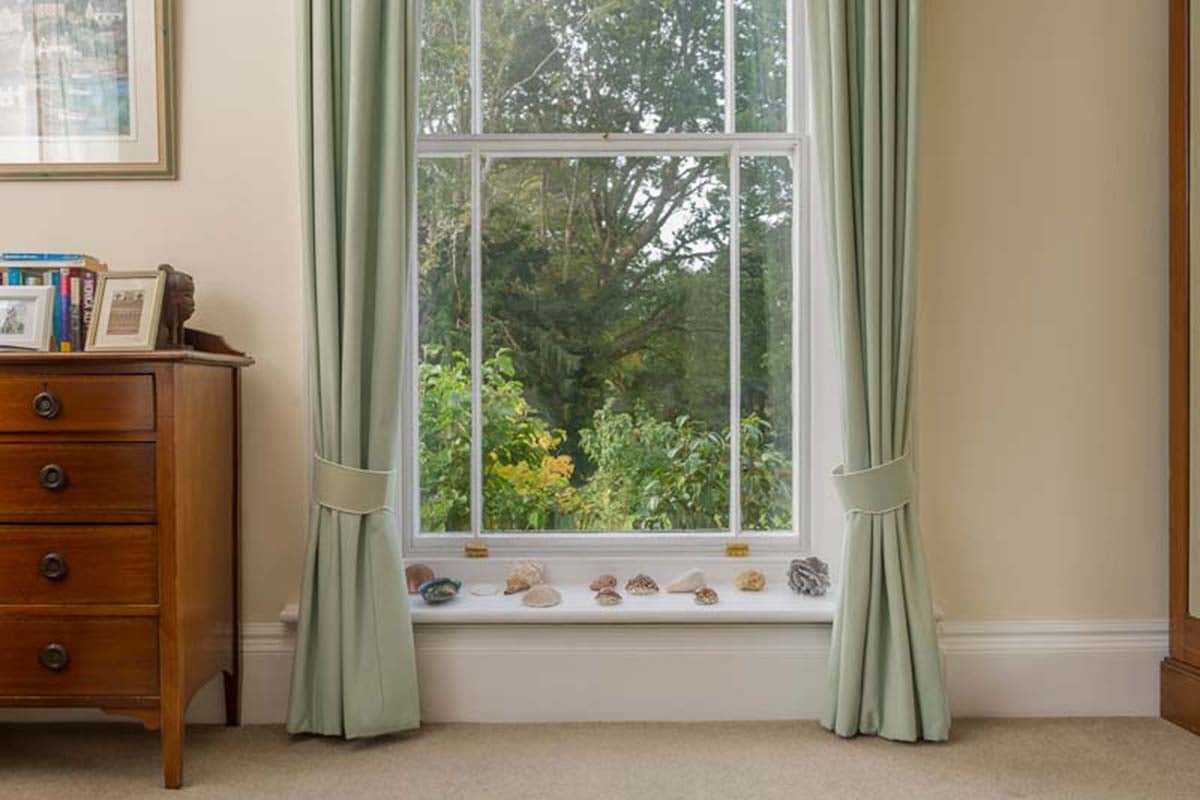
Secondary glazing is often the preferred option for period and listed homes because it improves insulation and comfort without replacing the original windows. Double glazing may offer stronger thermal performance, but it can alter historic features and may not be suitable for heritage properties.
What Is the Difference Between Secondary Glazing and Double Glazing?
Double glazing replaces the existing window with a sealed unit containing two panes of glass.
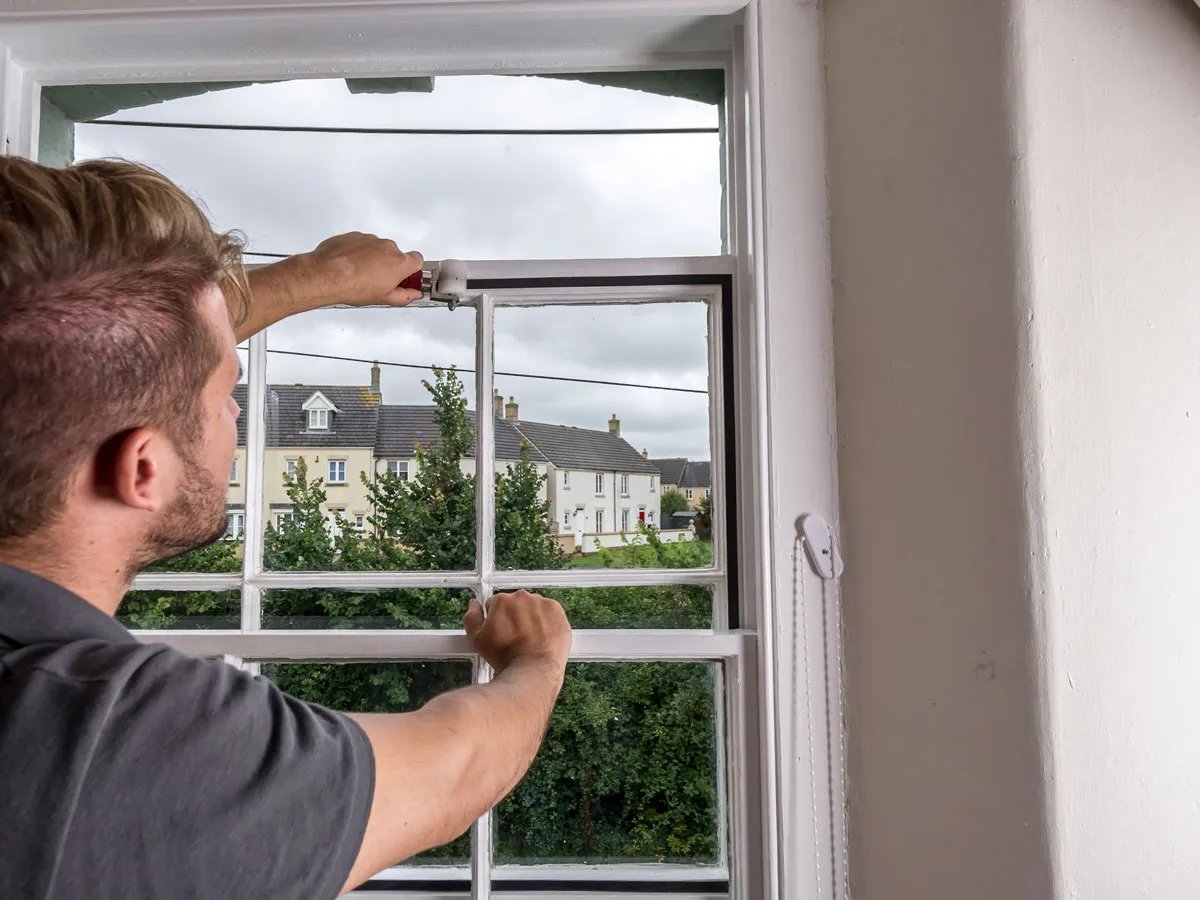
Secondary glazing adds an additional internal pane behind the existing window while keeping the original frame and glass intact.
This distinction is especially important in period properties where preserving architectural heritage is often a priority.
Why Is Secondary Glazing Popular in Period Homes?
Many older homes still contain original timber sash or casement windows.
Secondary glazing allows homeowners to:
- Preserve original windows
- Improve thermal efficiency
- Reduce draughts
- Reduce external noise
- Maintain period character
- Mitchell & Dickinson’s CosyGlazing is integrated, allowing windows to operate as intended
Because some solutions are virtually invisible from the outside, it is also commonly used in listed buildings and conservation areas.
Does Double Glazing Improve Insulation More?
Modern double glazing can achieve very strong thermal performance. However, secondary glazing can still deliver substantial improvements in comfort and heat retention (Mitchell & Dickinson’s CosyGlazing can reduce heat loss of a single glazed window by up to 70%), particularly when combined with:
- sash window draught proofing
- loft insulation
- window restoration
Which Is Better for Listed Buildings?
Secondary glazing is often considered more suitable because it:
- does not alter the external appearance
- is usually reversible
- preserves original windows
- Mitchell & Dickinson’s CosyGlazing can be fully integrated, allow windows to function as intended
Replacing original windows with double glazing may require listed building consent and can sometimes be refused.
What About Noise Reduction?
Secondary glazing can significantly reduce external noise because it creates a larger air gap between the original and secondary panes, the secondary glass also absorbs sound vibrations.
This makes it particularly useful for:
- busy roads
- urban properties
- homes near railways or airports
The effectiveness of secondary glazing for noise reduction depends on factors like the width of the air gap, the thickness of the glass, and the quality of seals.
Secondary Glazing vs Double Glazing: Key Differences
| Feature | Secondary Glazing | Double Glazing |
| Preserves original windows | Yes | No |
| Suitable for listed buildings | Often | Sometimes restricted |
| External appearance unchanged | Yes | No |
| Noise reduction | Significantly reduced | Good |
| Installation disruption | Lower | Higher |
| Reversible | Usually | No |
Is Secondary Glazing More Cost Effective?
Secondary glazing is often more cost-effective because it avoids the need for full window replacement.
Costs will vary depending on:
- property size
- window type
- glazing system
- installation requirements
For period homes, restoring existing windows combined with secondary glazing can often deliver strong long-term value.
Which Option Is Right for Your Property?
Secondary glazing is often best suited to:
- listed buildings
- period homes
- properties with original windows
- homeowners wanting minimal visual impact
Double glazing may be more appropriate in modern homes or where historic features are less important.
Specialist Secondary Glazing for Period Properties
Mitchell & Dickinson specialise in secondary glazing solutions designed specifically for heritage and listed homes.
Our bespoke systems are designed to:
- improve comfort
- reduce heat loss
- preserve historic character
- work with original sash windows
FAQs
Is secondary glazing cheaper than double glazing?
In many cases, yes. Secondary glazing avoids the cost of full window replacement.
Is secondary glazing suitable for listed buildings?
Yes, it is often preferred because it preserves the original windows, Mitchell & Dickinson’s CosyGlazing secondary glazing is virtually invisible.
Which is better for noise reduction?
Secondary glazing can significantly reduce noise by adding a second pane of glass to existing windows, secondary glazing creates an extra barrier that can effectively block external noise.
/im