Short Answer
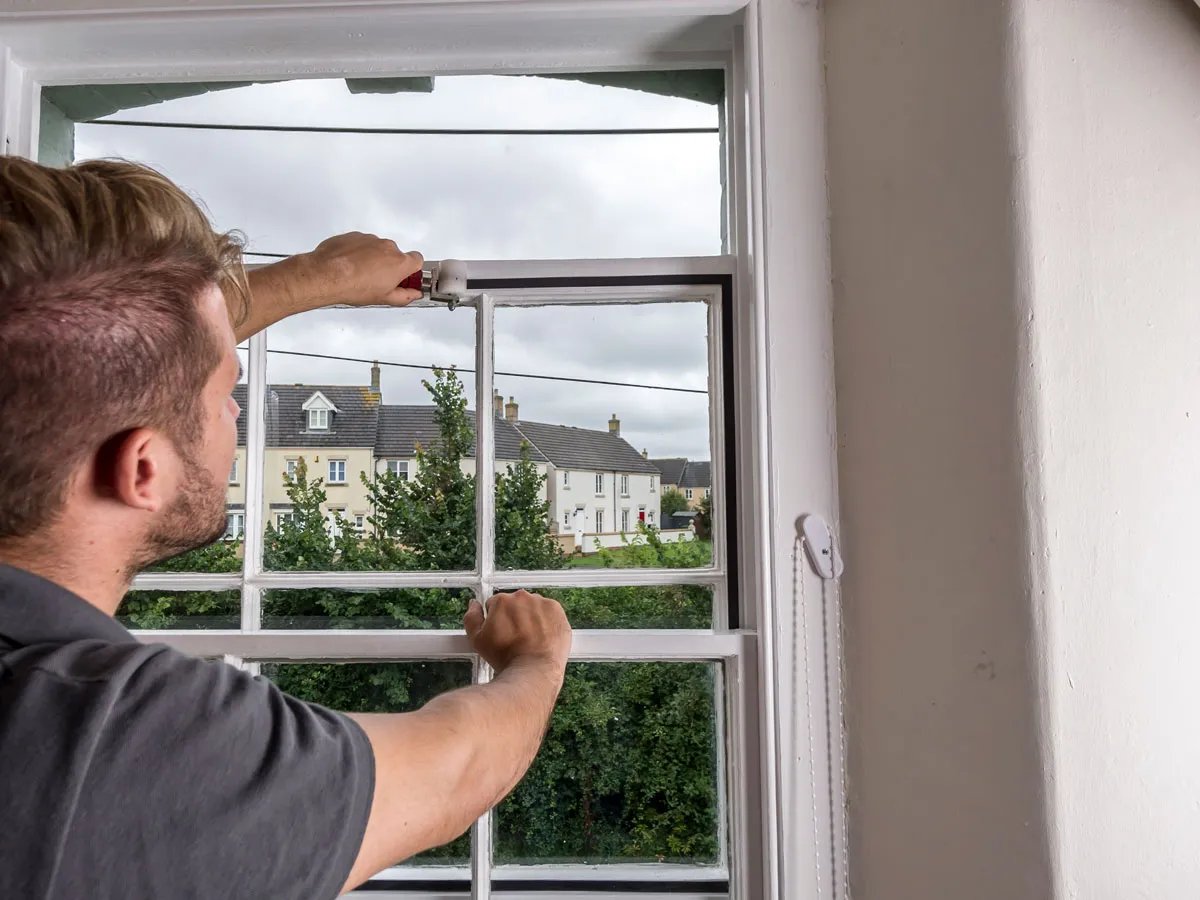
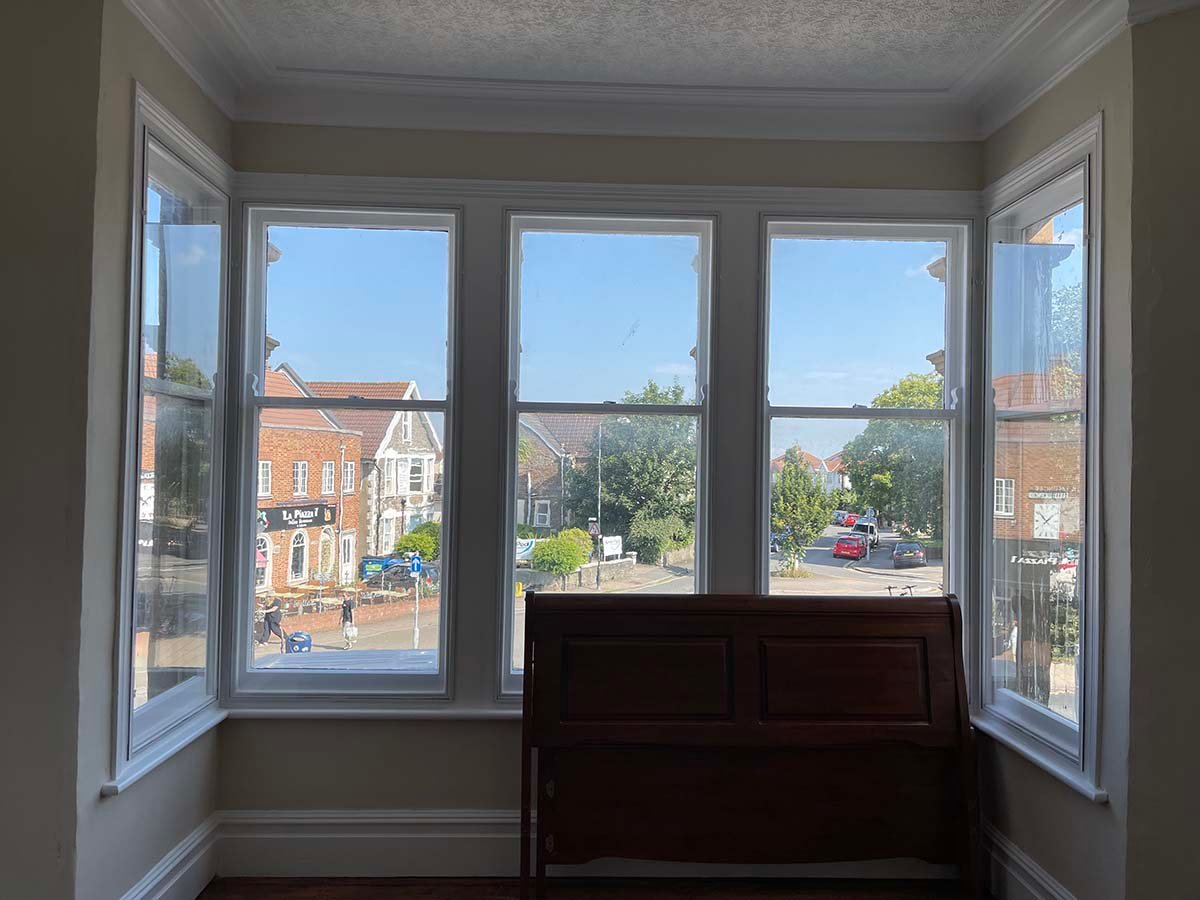
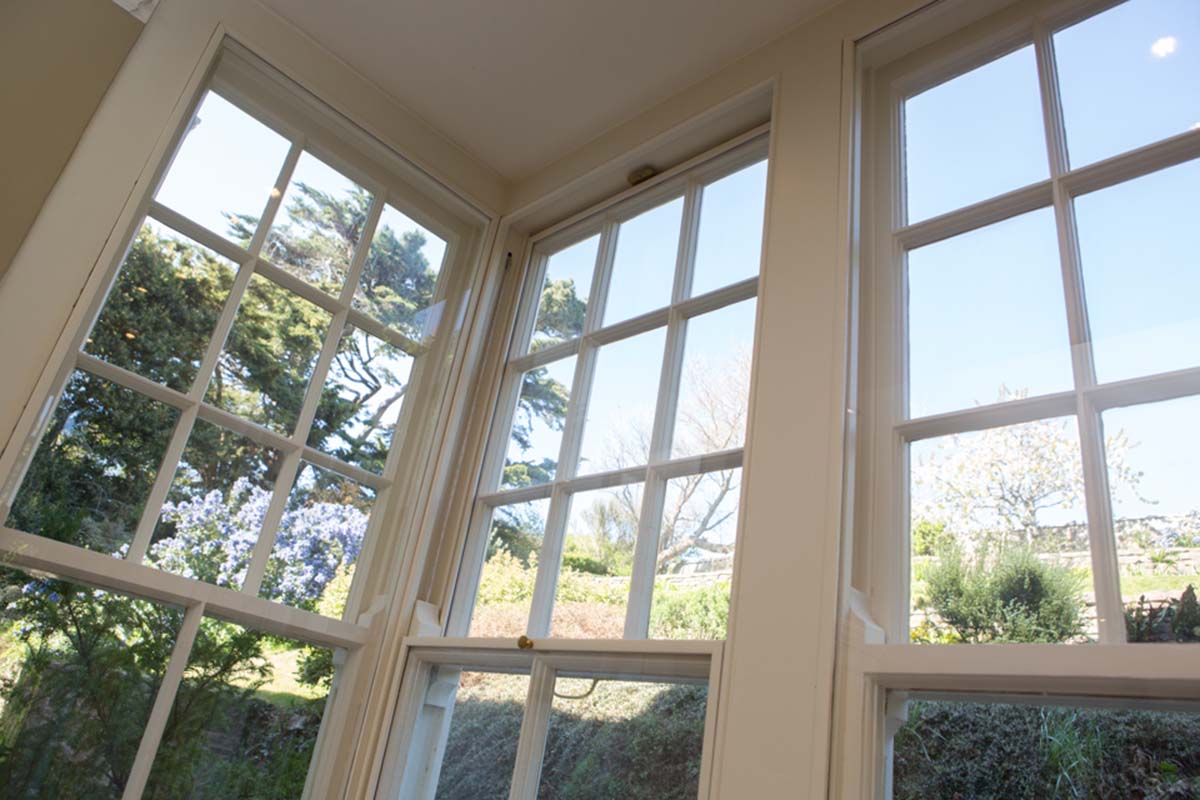
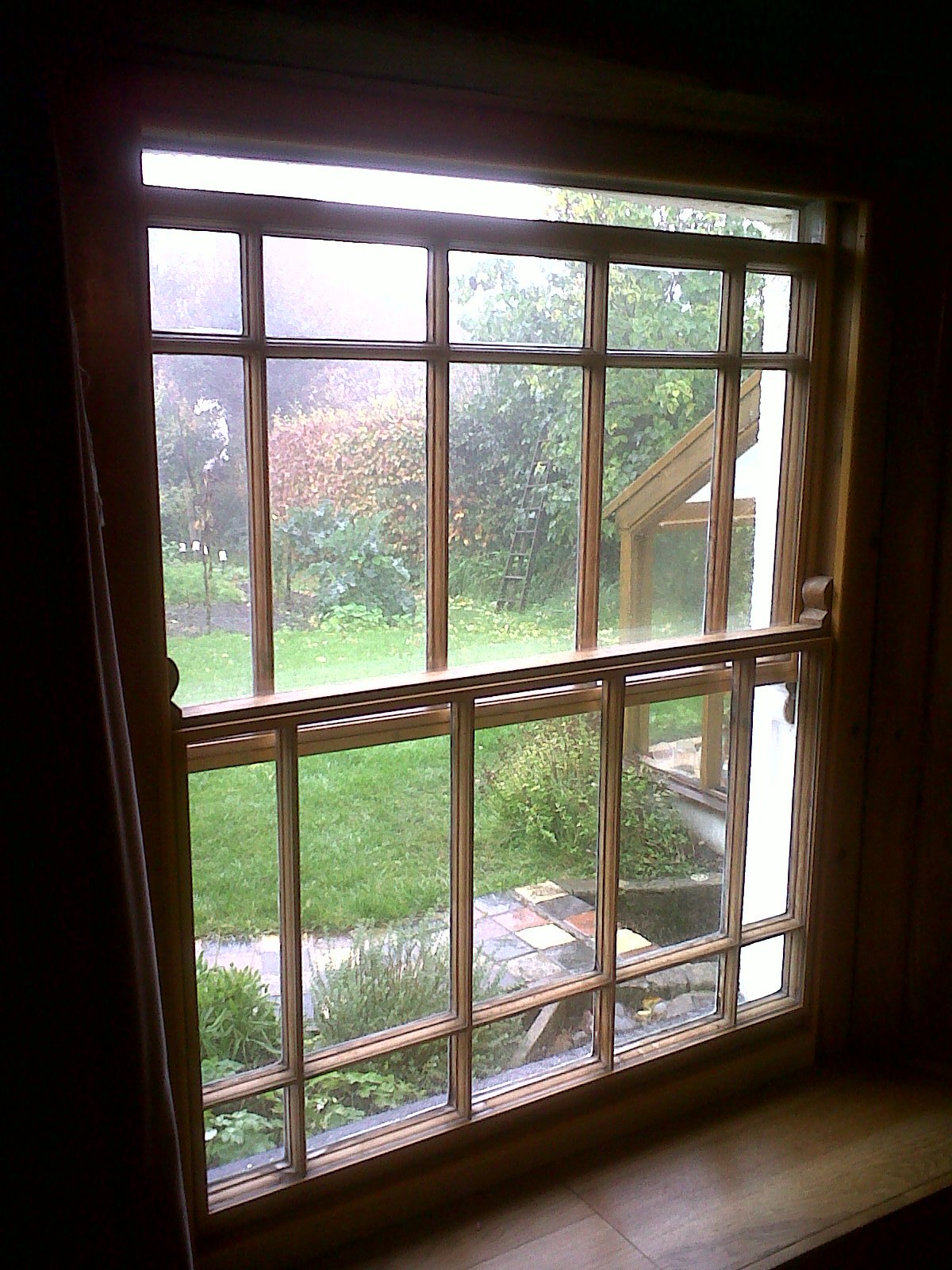
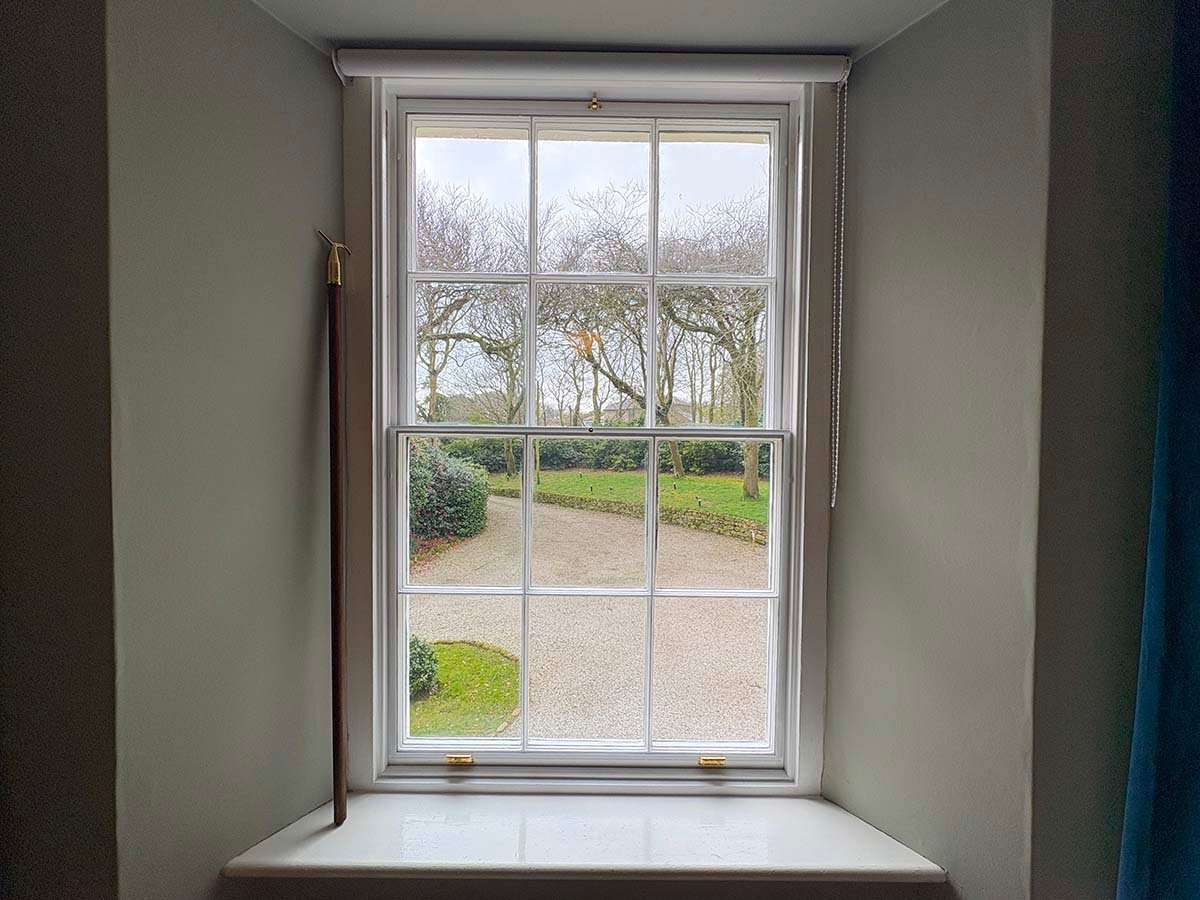
Yes, secondary glazing can be added to sash windows without replacing the original frames. It involves fitting a discreet insulating layer made from plexiglass. Mitchell & Dickinson has its own CosyGlazing, a fully integrated solution allowing windows to open as usual without needing extra frames. These reduces noise and helps prevent draughts while preserving the character of period and listed properties.
What Is Secondary Glazing for Sash Windows?
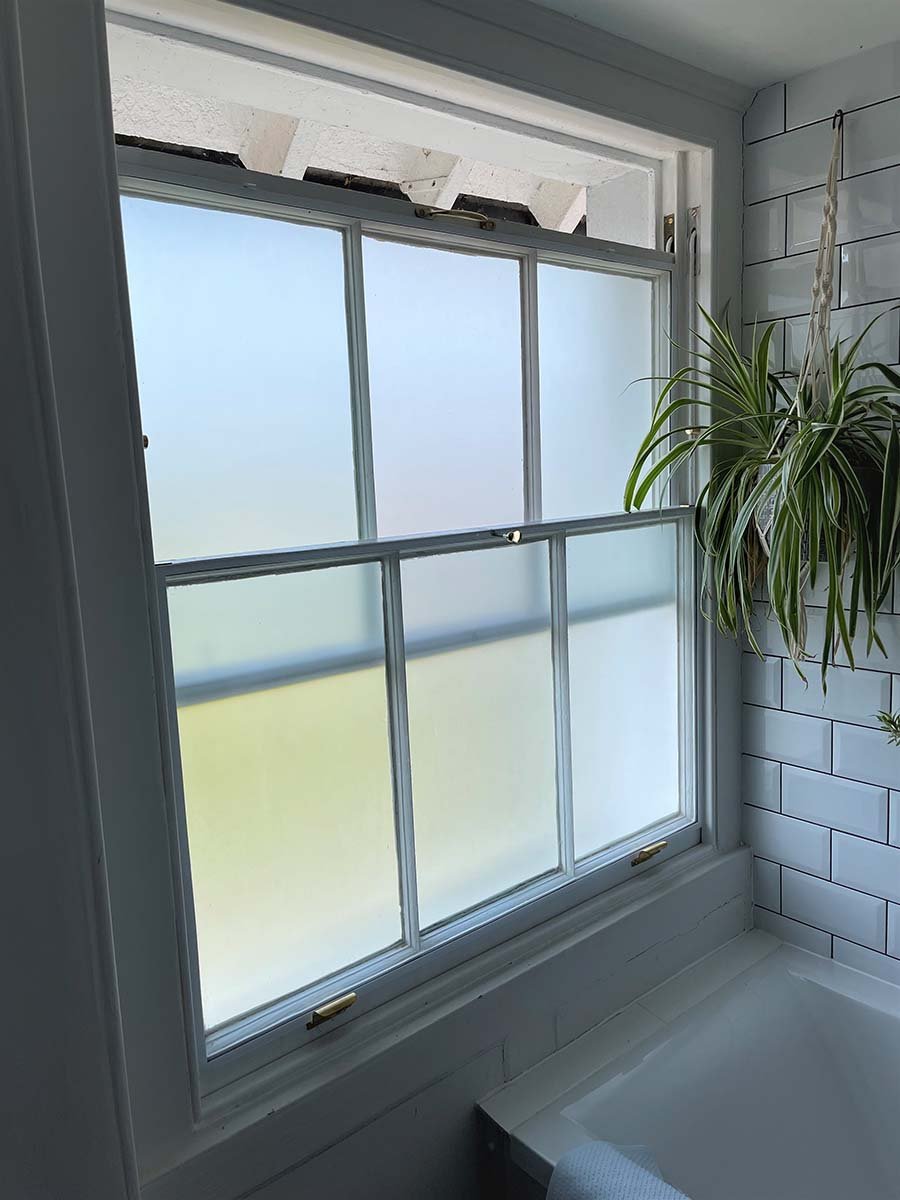
Secondary glazing is an additional, discreet insulating layer of glass or plastic to improve window performance. Unlike double glazing, where two panes are built into the existing unit, it does not replace the original glass or frame but is installed on the inside of an existing sash and the original window remains.
This makes it particularly suitable for:
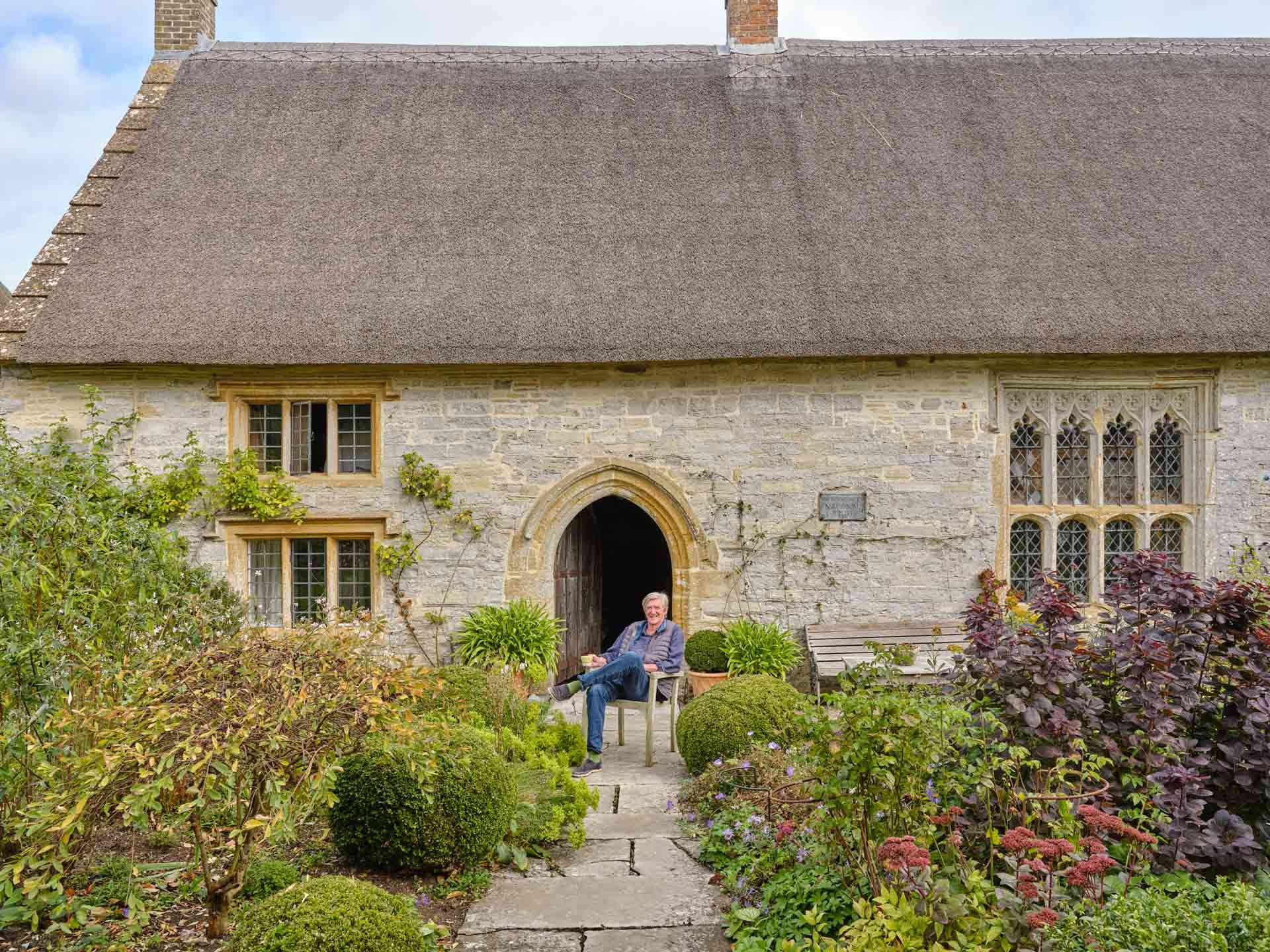
- Period properties
- Listed buildings
- Homes where original windows must be retained
How Does Secondary Glazing Work on Sash Windows?
Secondary glazing works by creating an insulating air gap between the original window and the secondary pane.
This helps to:
- Reduce heat loss
- Improve acoustic insulation
- Limit draughts and cold spots
Our bespoke CosyGlazing system has been designed so that sash windows still open and operate normally.
What Are the Benefits of Secondary Glazing on Sash Windows?
Improved Thermal Efficiency
Secondary glazing can significantly reduce heat loss through single-glazed sash windows.
Noise Reduction
The additional pane helps block external noise, making it ideal for homes in busy areas.
Preservation of Original Features
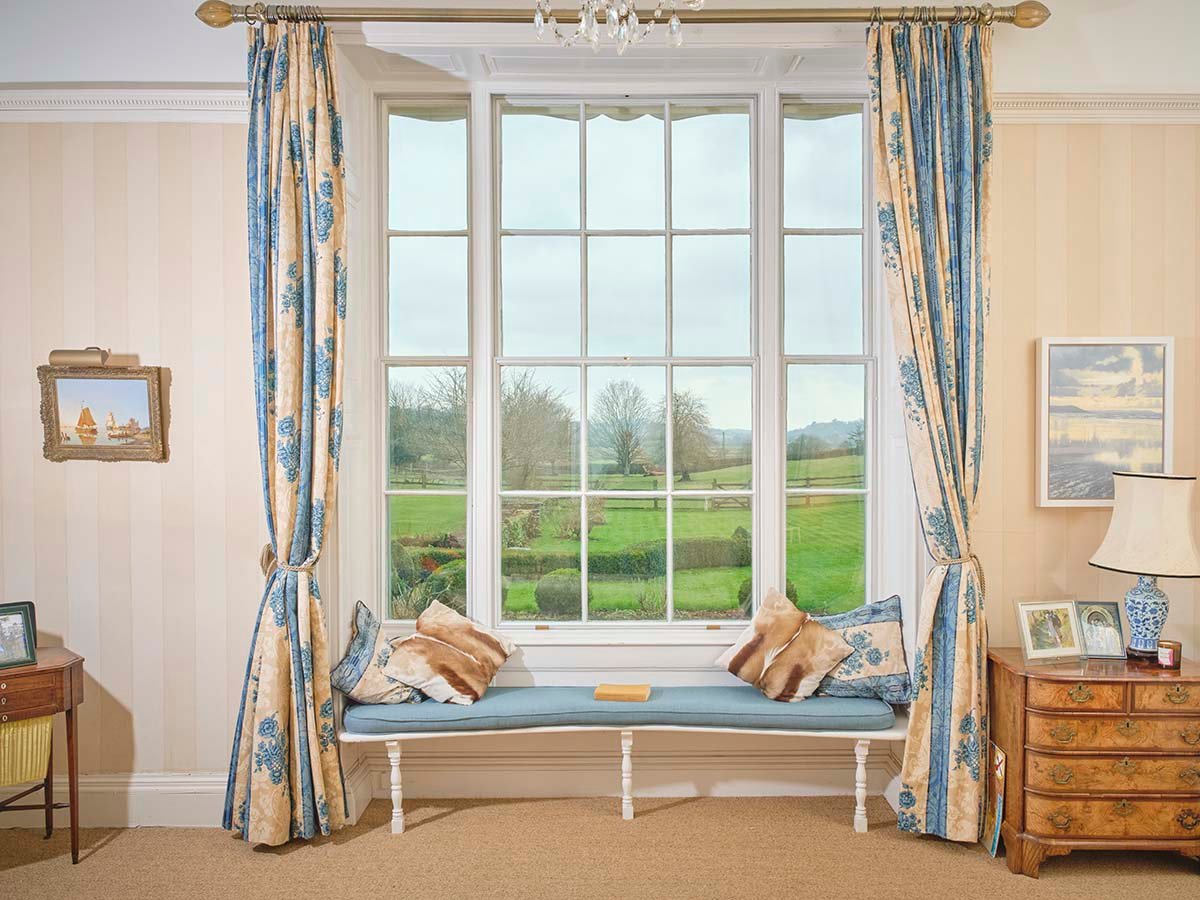
Because the original window remains untouched, it maintains the building’s character.
Reversible Installation
Most systems, including our CosyGlazing, can be removed without damaging the original window.
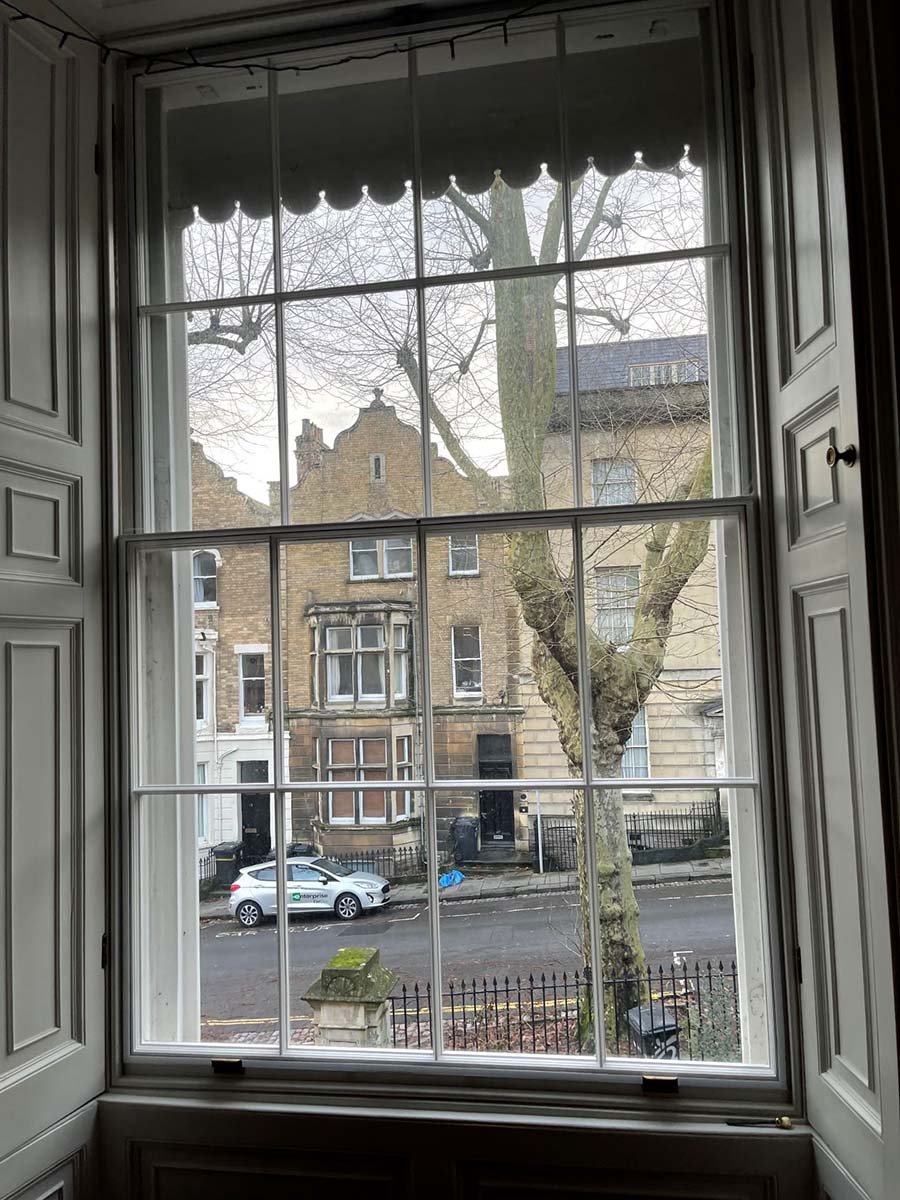
Can You Use Secondary Glazing in Listed Buildings?
In most cases, secondary glazing is considered a “permitted development” and doesn’t require planning permission.
Secondary glazing is often preferred in listed buildings because:
- It does not alter the external appearance
- It is reversible
- It helps improve comfort without harming heritage value
However, exceptions may apply, especially in conservation areas or for listed buildings. We recommend checking with your local planning authority for specific guidance.
Does Secondary Glazing Affect How Sash Windows Open?
A well-designed system should allow sash windows to open as normal.
Some solutions, such as our CosyGlazing, are specifically engineered to:
- Work with sliding sash mechanisms
- Maintain full functionality
- Retain original window structure
Avoid interference with window hardware (we usually replace your original hardware with a like-for-like but modified alternative to meet the crafted CosyGlazing panel)
Is Secondary Glazing Worth It for Sash Windows?
For many homeowners, secondary glazing is one of the most effective ways to improve comfort without replacing original windows.
It is particularly valuable when:
- Windows cannot be replaced
- The property is listed
- You want to dramatically reduce heat loss and improve insulation without major changes
- You want to reduce energy bills
Secondary Glazing vs Double Glazing for Sash Windows
| Feature | Secondary Glazing | Double Glazing |
| Preserves original windows | Yes | No |
| Suitable for listed buildings | Yes | Often Restricted |
| Cost | Lower | Higher |
| Installation | Non-invasive | Replacement required |
How Much Does Secondary Glazing for Sash Windows Cost?
Costs vary depending on:
- Window size
- Number of windows
- Type of system used
As a general guide, secondary glazing is often more cost-effective and environmentally friendly than full window replacement.
When Should You Consider Secondary Glazing?
You should consider secondary glazing if:
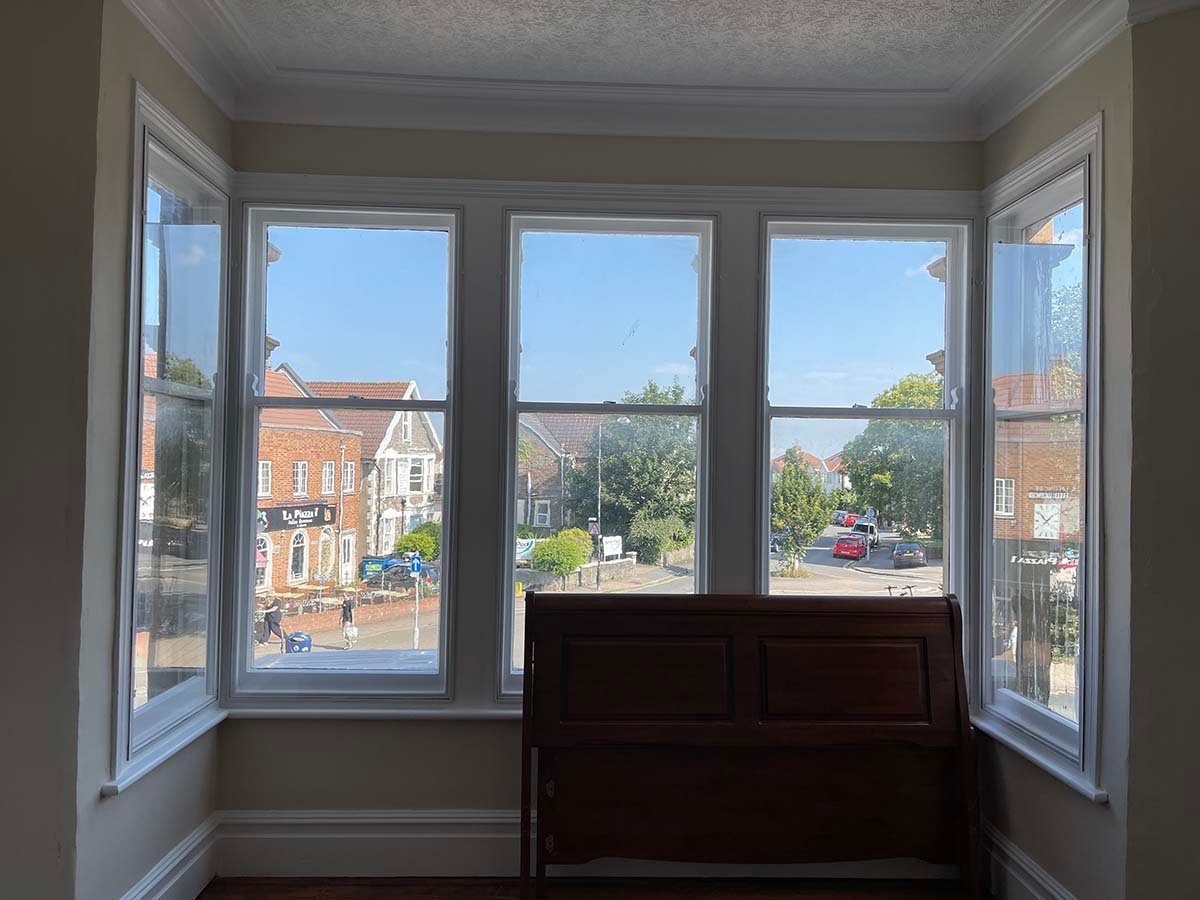
- Your sash windows are draughty
- Your home is difficult to heat
- You want to reduce noise
- You need a heritage-friendly solution
Expert Secondary Glazing for Sash Windows
At Mitchell & Dickinson, our unique CosyGlazing system is specifically designed specifically for period and listed homes so you can keep your original windows.
Our approach ensures:
- Minimal impact on original features
- Improved comfort year-round
- Bespoke solutions for each property
FAQs
Can you double glaze existing sash windows?
In most cases, original sash windows are not replaced but enhanced using secondary glazing instead.
Is secondary glazing visible?
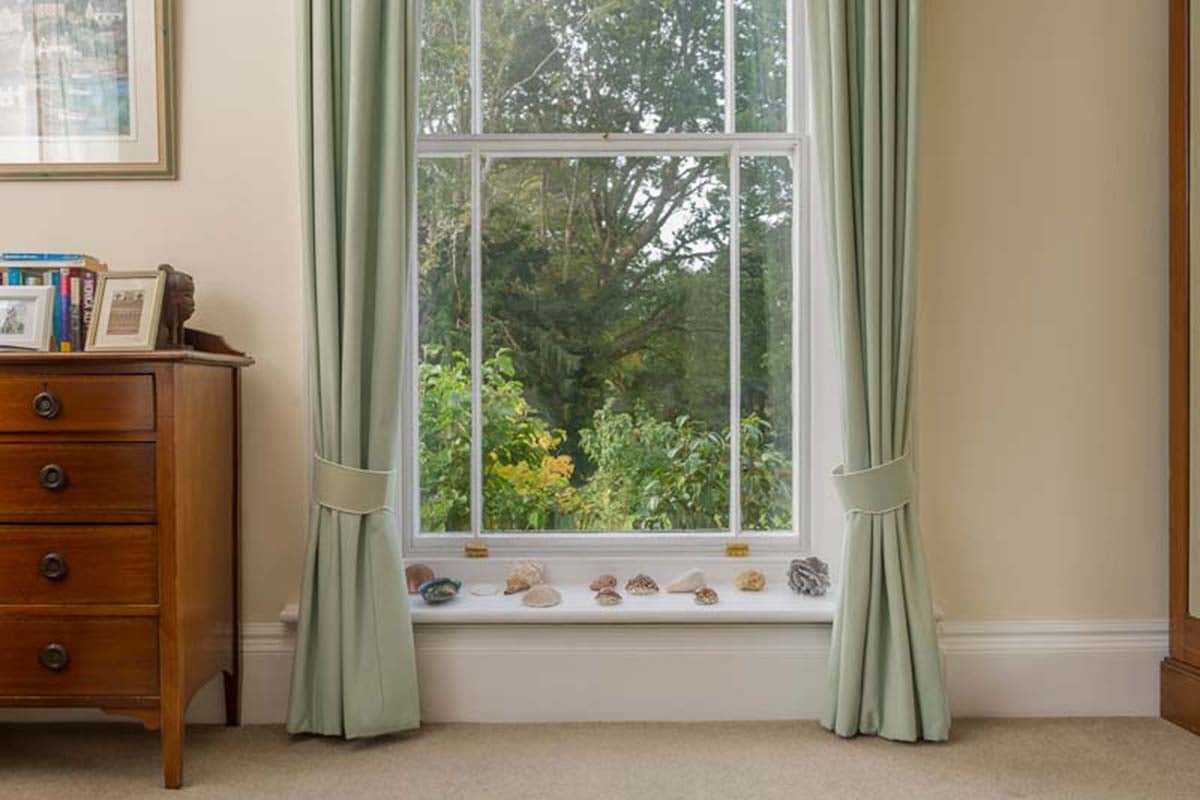
High-quality systems such as our CosyGlazing, are designed to be discreet and invisible from the outside.
Does secondary glazing stop condensation?
It can reduce though not eradicate condensation, although underlying ventilation issues may also need to be addressed.