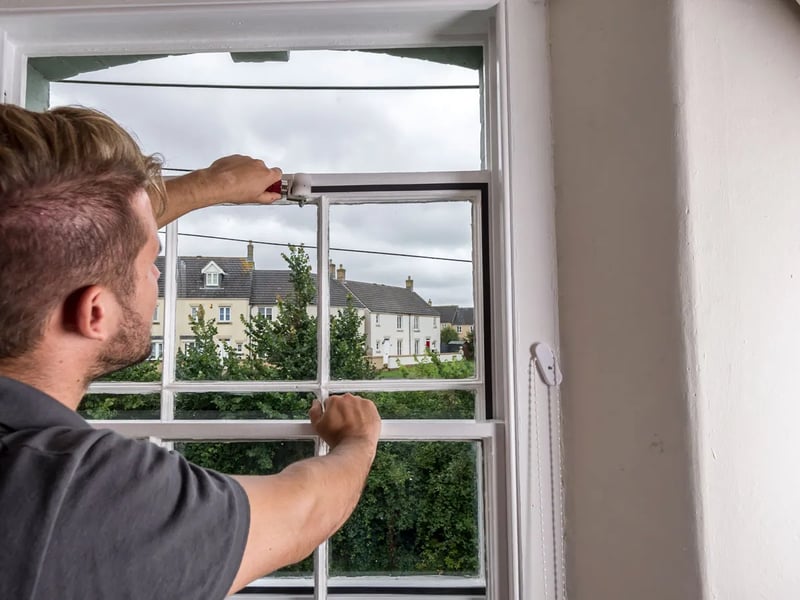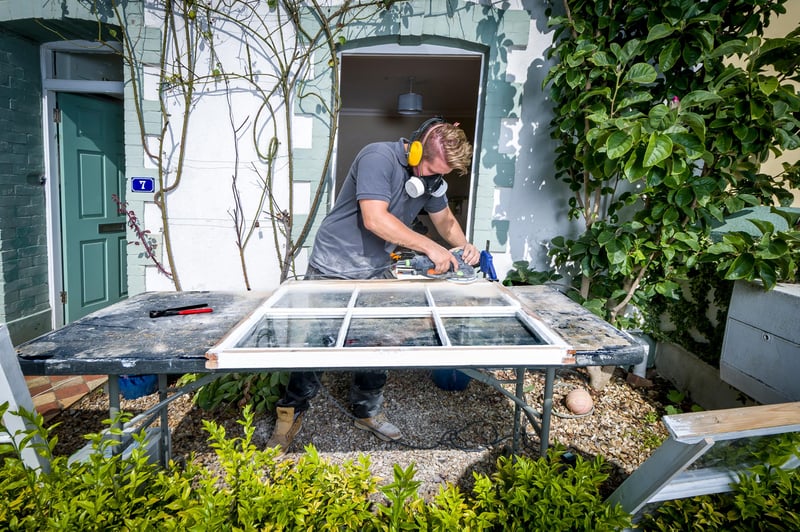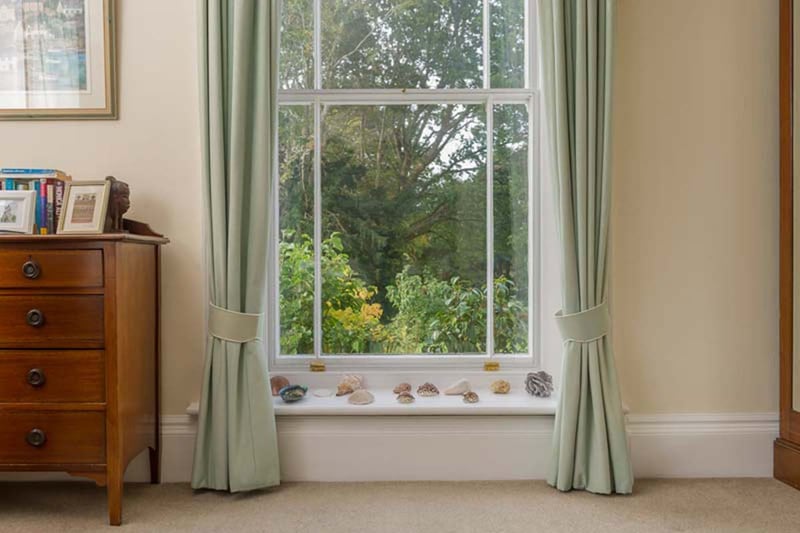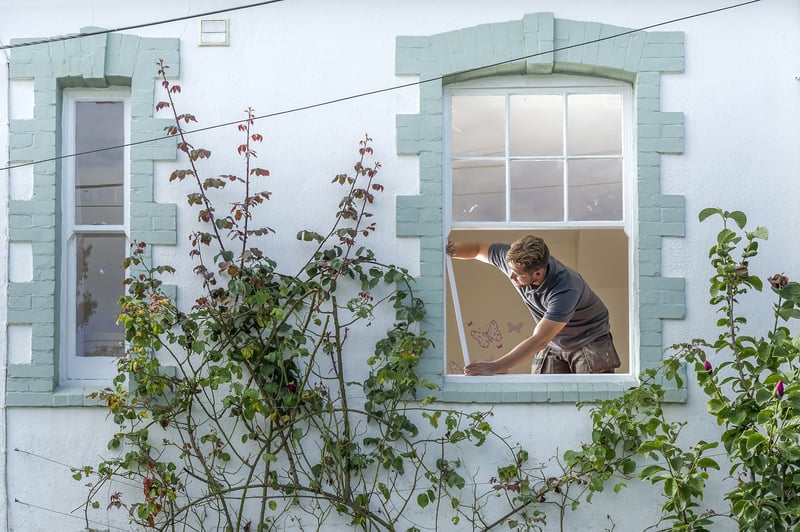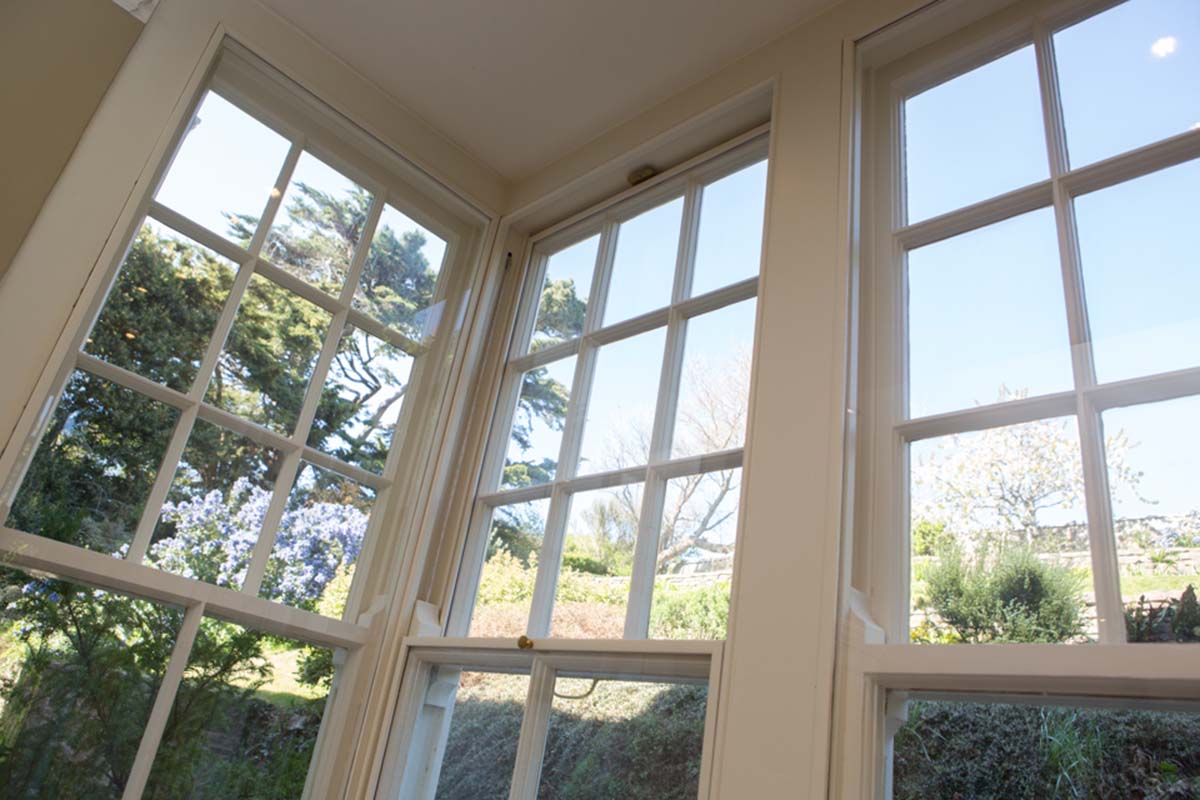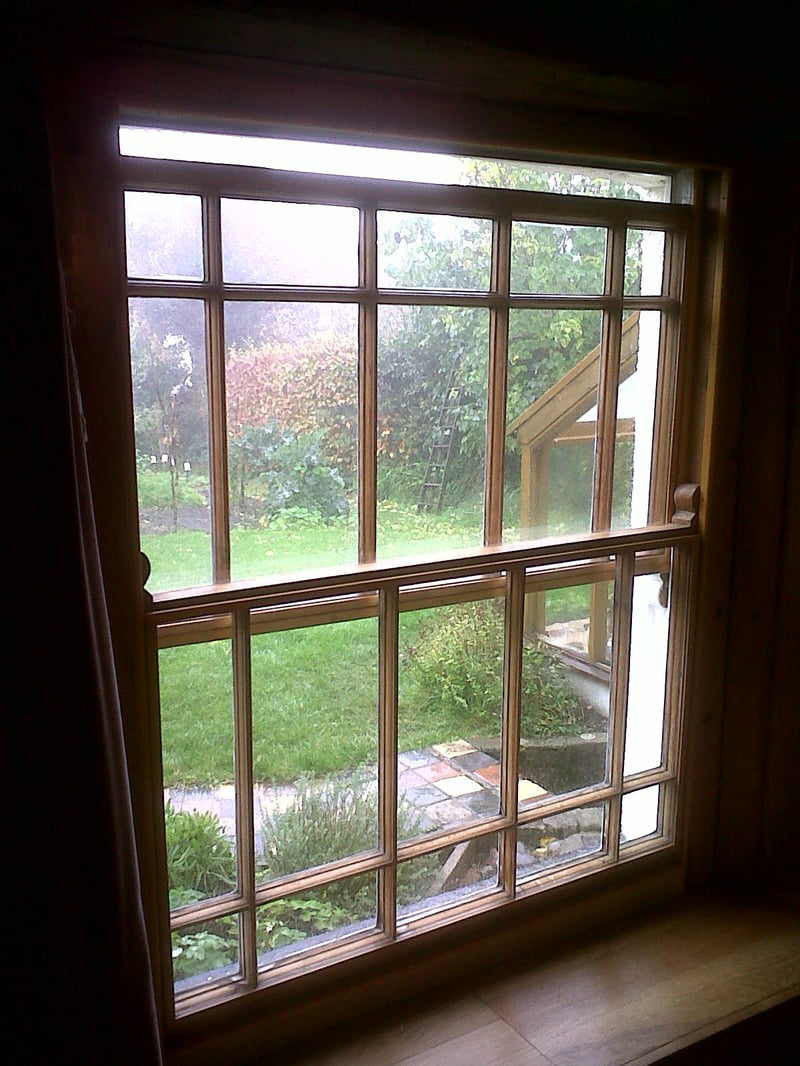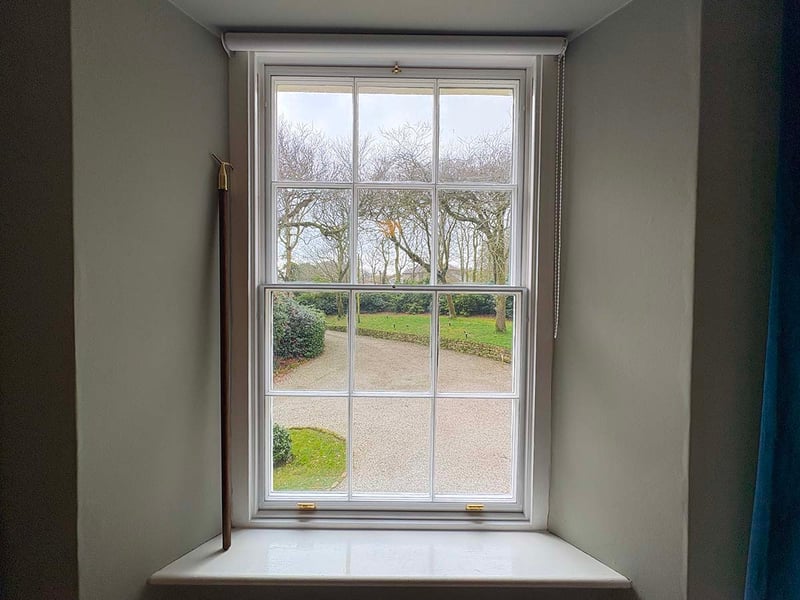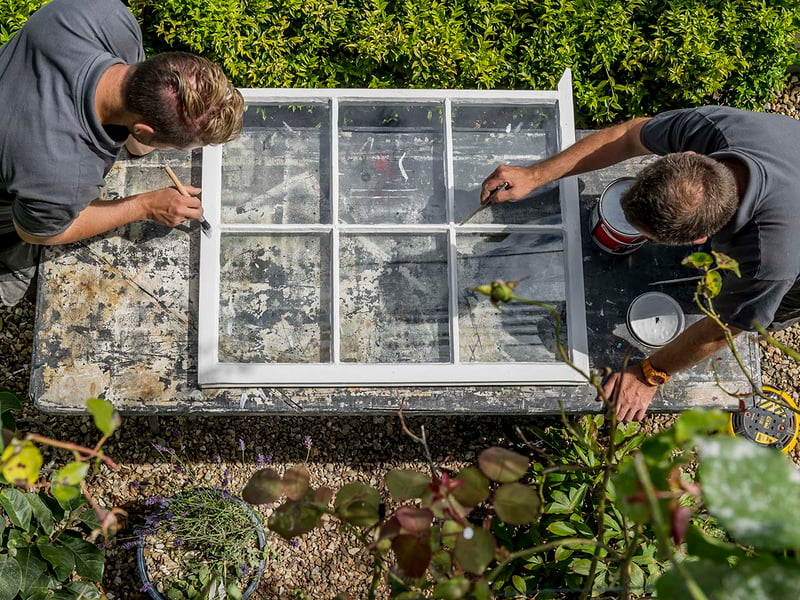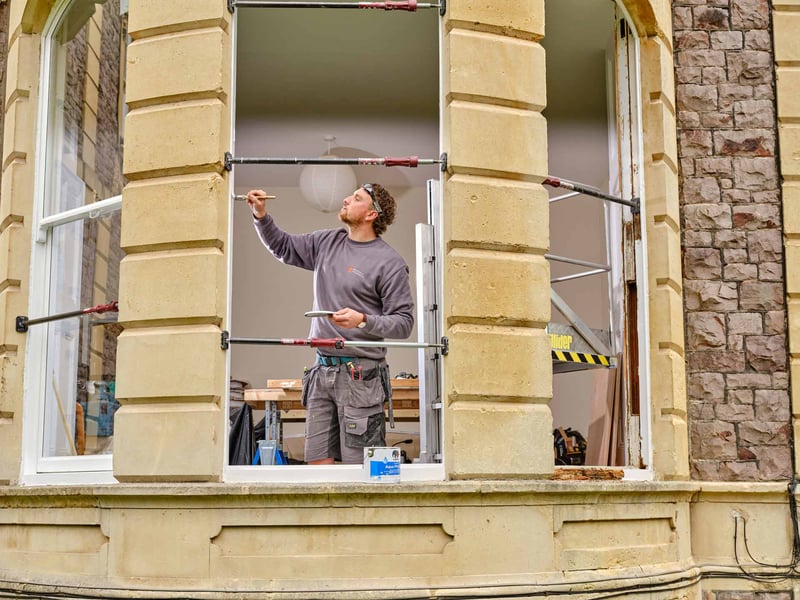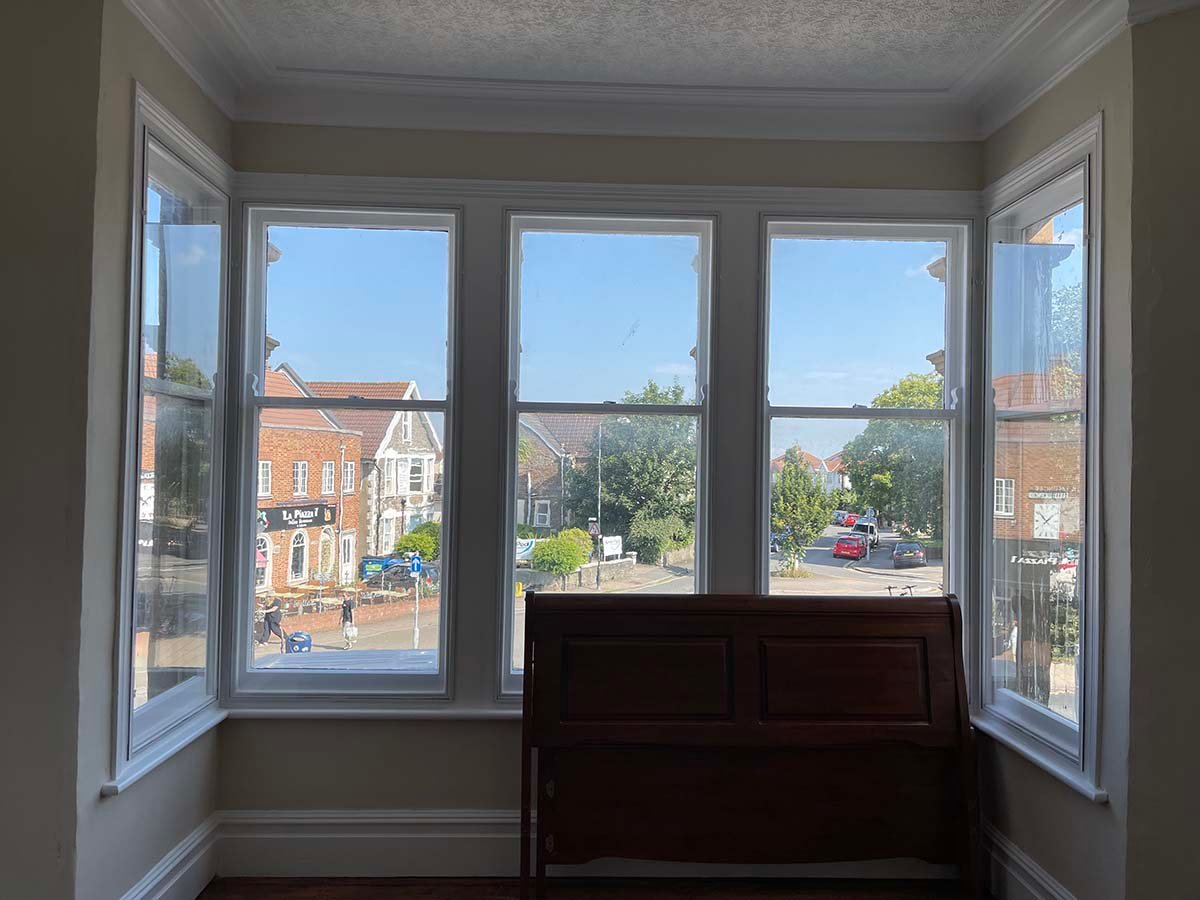
Yes, secondary glazing can significantly improve comfort, reduce heat loss and minimise draughts in period homes without replacing the original windows. It is particularly effective in listed buildings and properties with single glazing.
What Is Secondary Glazing?
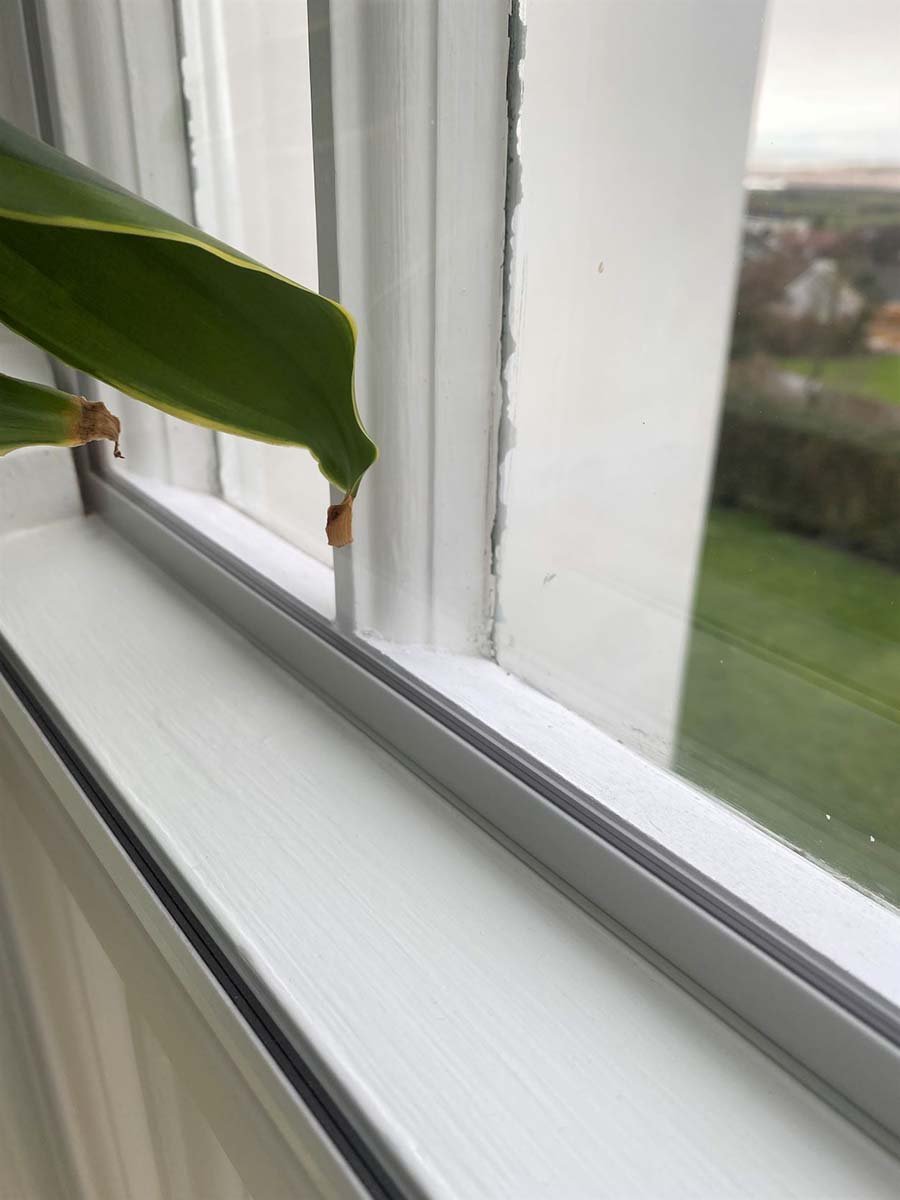
Secondary glazing involves installing an additional internal pane behind an existing window.
Unlike double glazing, it does not replace the original frame or glass. Instead, it creates an insulating air gap that helps improve thermal and acoustic performance.
This makes it especially suitable for:
- Period properties
- Listed buildings
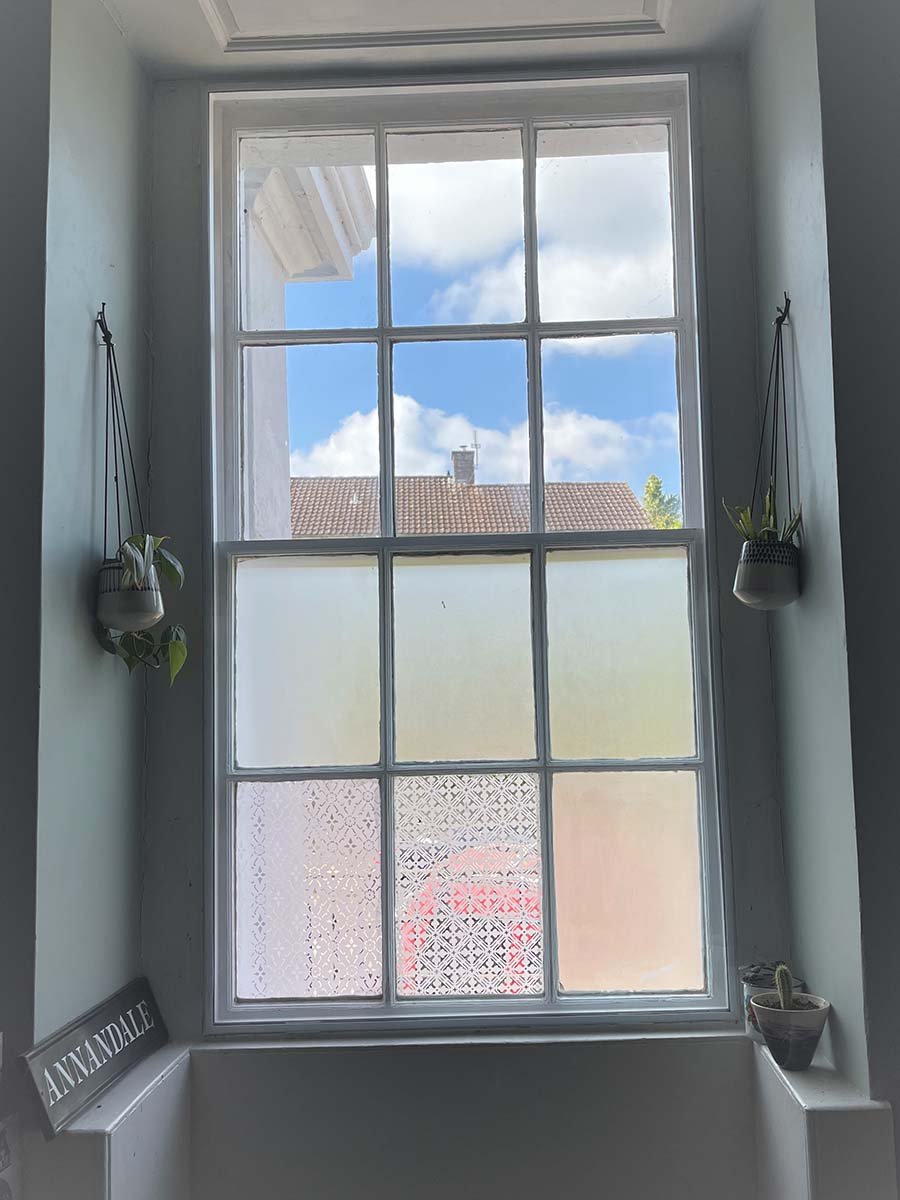
- Homes with original sash windows
How Does Secondary Glazing Work?
Secondary glazing works by reducing the transfer of heat and sound through the window.
The insulating gap between the original window and the secondary pane helps to:
- reduce draughts
- improve thermal efficiency
- minimise cold spots
- reduce external noise
It can also help stabilise room temperatures throughout the year.
Does Secondary Glazing Make a Noticeable Difference?
Many homeowners notice immediate improvements, including:
- warmer rooms
- fewer draughts
- reduced rattling
- less outside noise
- improved comfort
In period homes with single glazing, the difference can be particularly significant.
Does Secondary Glazing Reduce Noise?
Yes. Secondary glazing can significantly reduce noise in the home. By adding a second pane of glass to your existing windows, it creates an additional barrier against outside noise. The combination of the extra glass and the air gap between the original window and the secondary glazing helps absorb and reduce sound vibrations far more effectively than a single pane alone.
This can help reduce:
- road noise
- traffic sounds
- aircraft noise
- urban background noise
It is often used in homes located in busy areas.
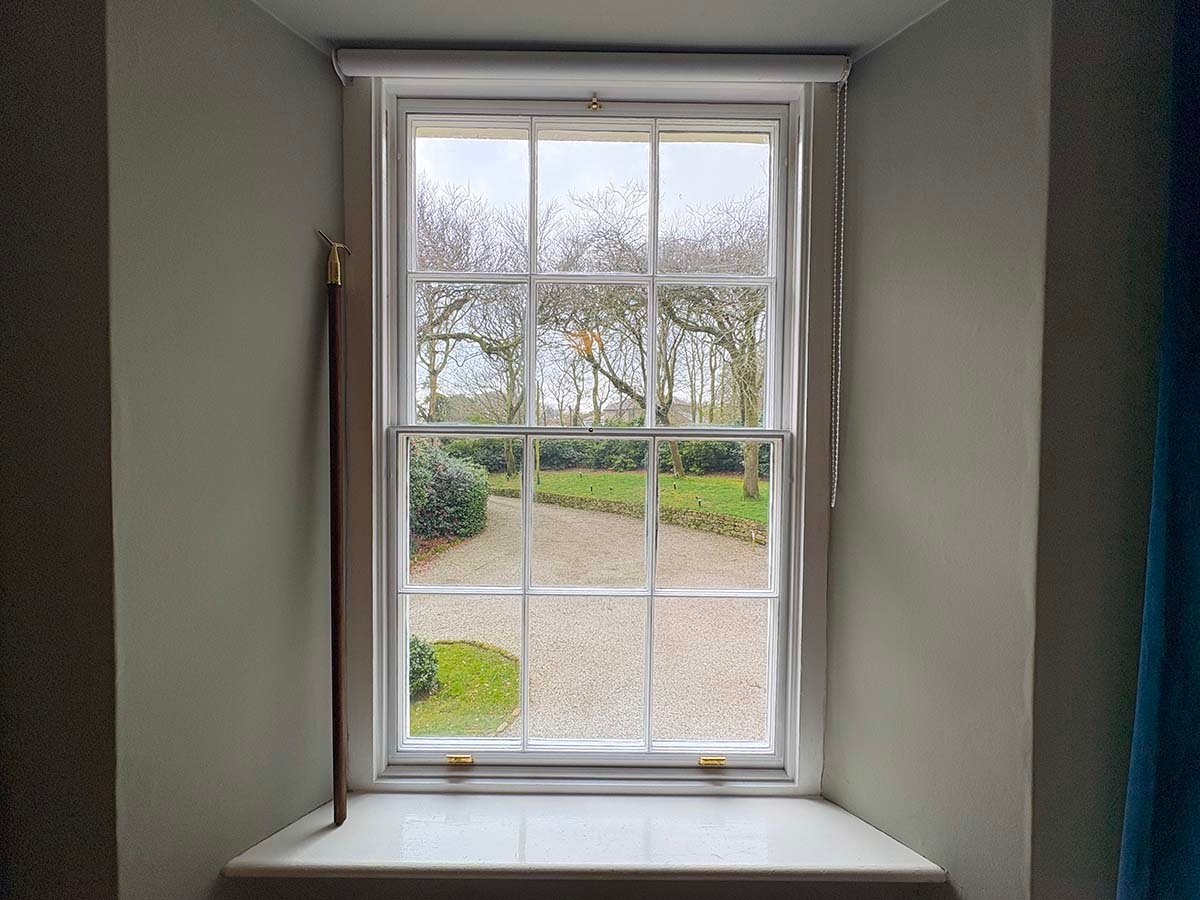
Does Secondary Glazing Help Reduce Condensation?
Secondary glazing can help reduce condensation by keeping internal glass surfaces warmer.
However, condensation is also influenced by:
- ventilation
- humidity levels
- building condition
In older properties, a balanced approach to insulation and ventilation is usually most effective.
Is Secondary Glazing Suitable for Listed Buildings?
In many cases, yes.
Because secondary glazing:
- preserves the original windows
- does not alter the external appearance
- is usually reversible
it is often considered more appropriate than replacement double glazing for heritage properties. Mitchell & Dickinson’s CosyGlazing comes preapproved by many councils and has never been declined installation on Grade I or Grade II building.
Is Secondary Glazing Worth It?
For many period homeowners, secondary glazing is one of the most effective ways to improve comfort without replacing original windows.
It is especially valuable when:
- windows cannot be replaced
- heritage features must be preserved
- energy efficiency needs improving
Specialist Secondary Glazing for Period Homes
Mitchell & Dickinson created Cosyglazing, a unique secondary glazing solution designed specifically for period and listed properties.
Our system has been carefully designed to:
- be discreet
- preserve original windows
- improve comfort
- reduce heat loss
- maintain heritage character
- fit to any type of window
- allow windows to function as designed
FAQs
Does secondary glazing reduce heat loss?
Yes, it can significantly reduce heat loss through single-glazed windows. Mitchell and Dickinson’s CosyGlazing reduces heat loss from single glazed windows by 70%.
Is secondary glazing visible?
Modern systems are designed to be discreet and minimally visible.
Can secondary glazing be removed?
Most systems are removable and designed to preserve original windows and allow for cleaning and maintenance. Mitchell and Dickinson’s CosyGlazing is also integrated, allowing windows to open and close as intended.