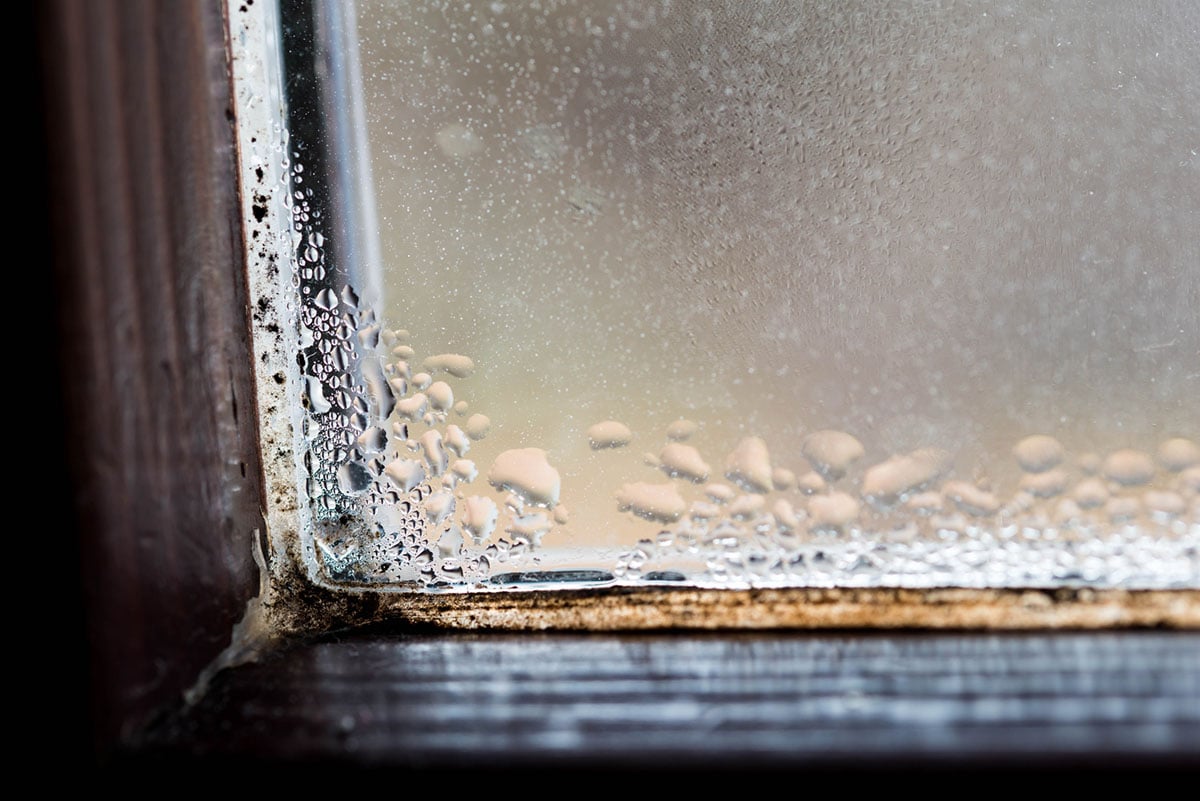
Condensation forms on the inside of windows when warm, moist indoor air meets cold glass and cools below its dew point. In period homes, it is usually caused by single glazing combined with everyday moisture and reduced airflow. The lasting fix is to warm the glass and manage moisture together, rather than tackling either on its own.
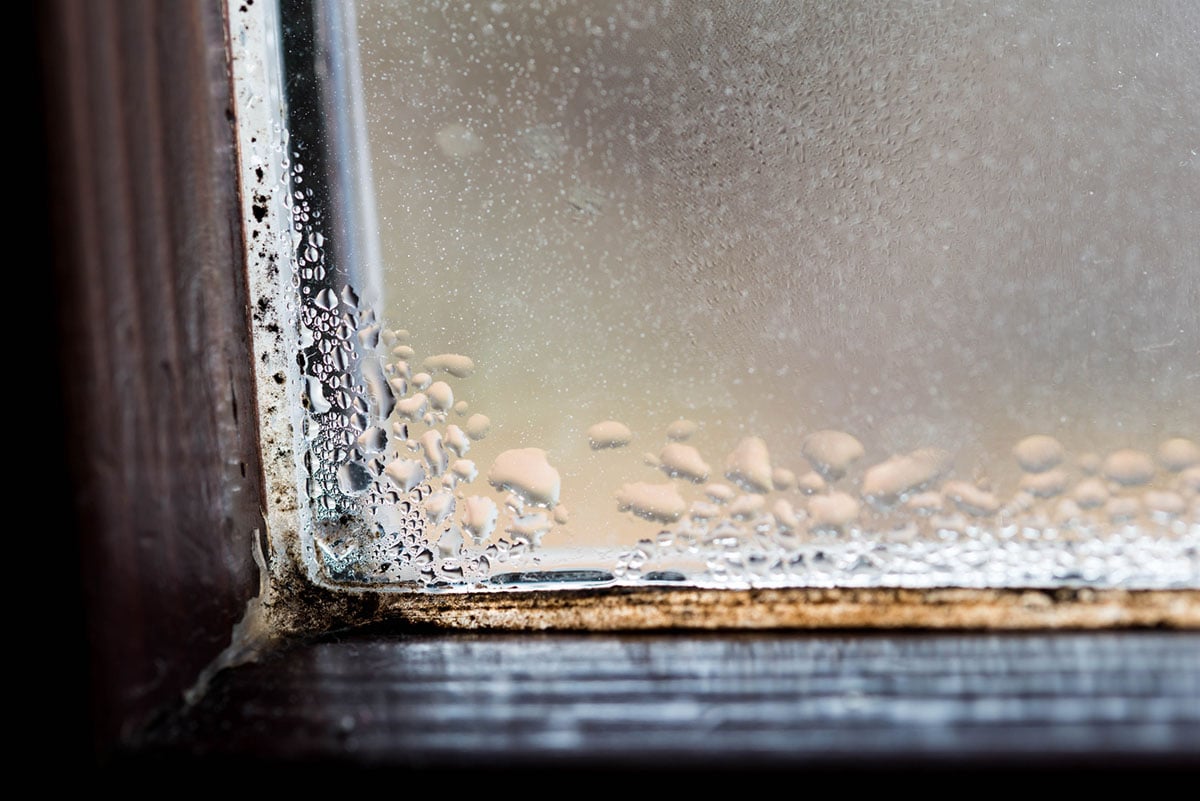
Waking up to streaming windows is a common complaint from period home owners. A little misting on a cold morning is nothing to worry about. But when water runs down the glass, pools on the sill and returns day after day, it is telling you something about how your home is handling heat and moisture.
This guide explains why condensation forms, why older homes are particularly prone to it, and what you can do about it, from simple daily habits to long-term improvements that protect your original windows.
What Causes Condensation on the Inside of Windows?
When warm indoor air touches a cold surface and cools, it can no longer hold all of that moisture, and the excess turns back into water. The temperature at which this happens is called the dew point.
Windows are usually the coldest surface in a room, which is why condensation appears there first. The moisture itself comes from everyday living:
• Breathing
• Bathing and showering
• Cooking, especially boiling pans without lids
• Drying clothes indoors, particularly on radiators
• Kettles, houseplants and unvented tumble dryers
Put a household’s daily moisture together with cold single glazing, and condensation on the inside of windows becomes almost inevitable, unless the moisture has somewhere to go.
Why Do Period Homes Get More Window Condensation?
Traditional buildings were designed to breathe. Open fireplaces, chimneys, timber windows that moved with the seasons and breathable lime plasters and paints allowed air and moisture to move through the building naturally.
Over the years, many period homes have been changed in ways that reduce that natural airflow:
• Fireplaces blocked and chimneys capped
• Sash windows painted shut or no longer working smoothly
• Air bricks and vents covered or blocked
• Modern, non-breathable paints and plasters applied to solid walls
• Draught proofing or insulation added without considering ventilation
Each of these changes can make a home more comfortable, but together they trap more moisture inside. Most original period windows are single glazed and have a lower thermal efficiency, original single glazing can become cold, allowing moisture and air to condense on the glass.
Is Condensation on Windows a Problem?
Occasional light condensation that clears within an hour or so of the heating coming on is normal, particularly in bedrooms in winter. Persistent, heavy condensation is different, and in a period home it can cause real damage if it is left unchecked:
• Rot in timber sills and the bottom rails of sashes, where water collects day after day
• Flaking paint and crumbling putty, which let more water into the joinery
• Black mould on window reveals, sills and nearby walls
• Damp patches and staining on plaster around the window
Heavy window condensation is also a useful early warning. If the glass is wet every morning, humidity in the room is high, and that moisture may also be settling in less visible places, such as cold corners, behind furniture or inside walls.
Why Is Condensation Worse on Bedroom Windows in the Morning?
Bedrooms often have the heaviest window condensation. Two people sleeping in a closed room can add around 400ml of water to the air overnight. At the same time, many people turn the heating down at night and keep doors and windows closed, so the room cools while the moisture builds up. By morning, the glass is at its coldest and the air at its dampest.
Leaving the bedroom door ajar, opening a window slightly or using a trickle vent if you have one, and keeping the room at a steady, moderate temperature overnight can all make a noticeable difference.
Quick Ways to Reduce Window Condensation
These simple habits will reduce condensation in most homes straight away:
• Wipe the glass and sills each morning, so water doesn’t soak into the timber
• Use extractor fans when cooking and bathing, and leave them running for a while afterwards
• Keep lids on pans and close kitchen and bathroom doors while they are in use
• Dry clothes outside where possible, or in a well-ventilated room with the door closed
• Open windows fully for 10 to 15 minutes each day to flush out moist air quickly
• Keep heating at a steady, moderate level rather than letting rooms get very cold
• Keep relative humidity between 40% and 60%; an inexpensive hygrometer will tell you where you are
• Leave a small gap between furniture and external walls so air can circulate
A dehumidifier can help in problem rooms, but it treats the symptom rather than the cause. If you need one running constantly, it’s worth looking at the building itself.
Long-Term Solutions for Condensation on Period Windows
Lasting results come from tackling both sides of the problem: making the glass warmer, and managing the moisture in the air.
Warm the glass with secondary glazing
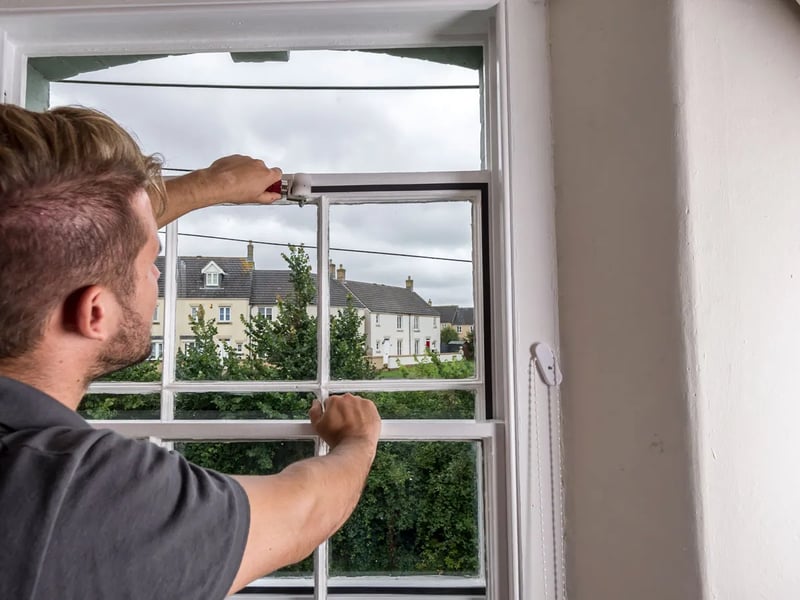
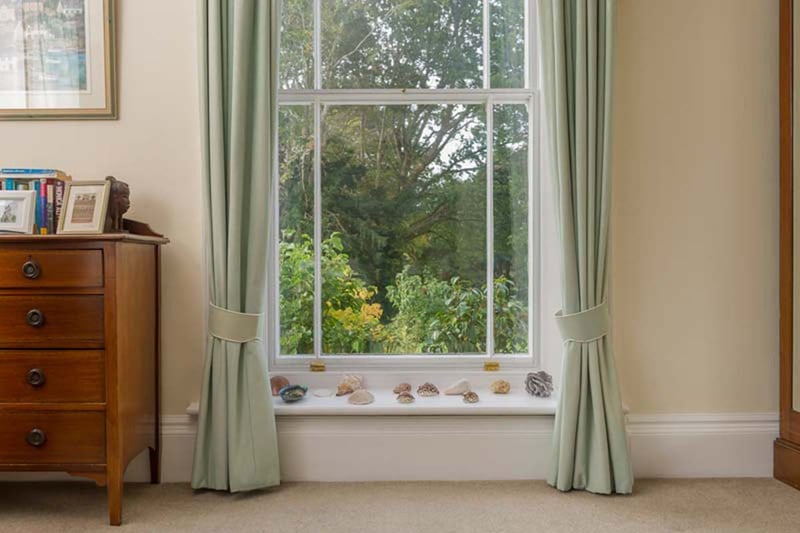
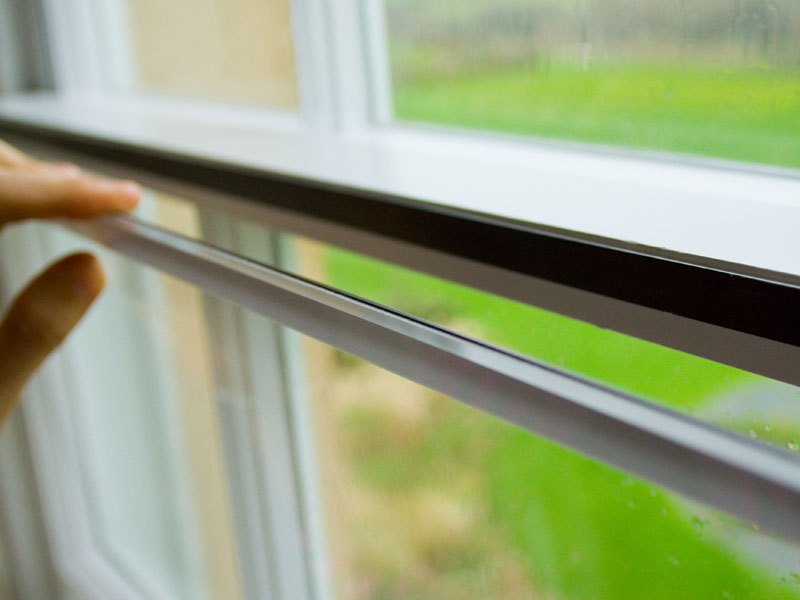
Adding a second pane on the inside of an existing window creates an insulating layer of air. The glass you see from inside the room stays much closer to room temperature, so warm, moist air is far less likely to reach its dew point there. For period and listed homes, secondary glazing does this while keeping the original windows in place.
Our CosyGlazing secondary glazing reduces heat loss from single-glazed windows by 70%. Because it is integrated with the existing window, your windows can still open as intended, so you can continue to ventilate the room naturally.
There are two sources of condensation. The first is caused by warm, moist air from inside the room touching the cold glass and condensing. The second is caused by external sources of moisture from the building fabric such as from broken putty allowing rain to leak in under each pane of glass and settle on the lower glazing bars, particularly after rainfall. Secondary glazing traps this water in the void, which can cause condensation. Therefore, when installing CosyGlazing, it is advisable to keep putty and paintwork in good condition. This also increases the life of the window.
Restore and draught proof your original windows
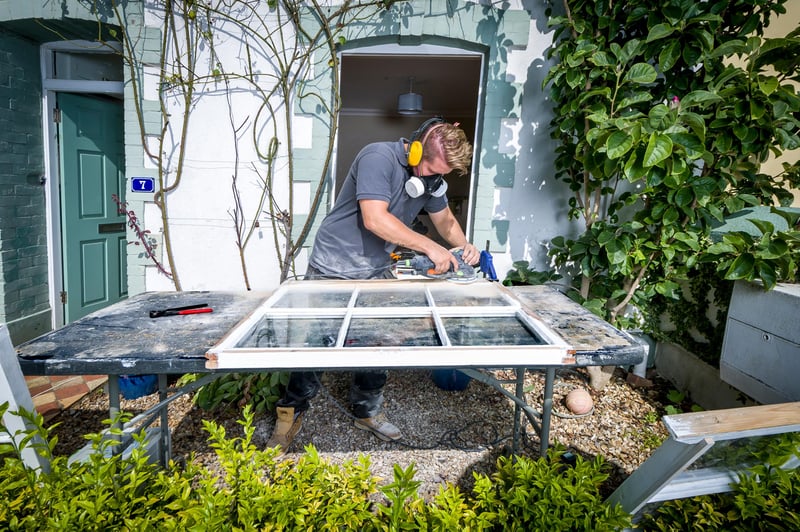
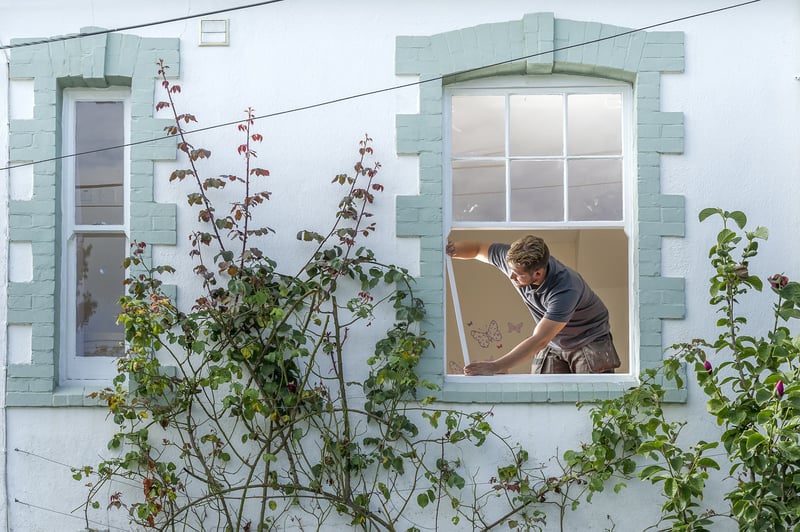
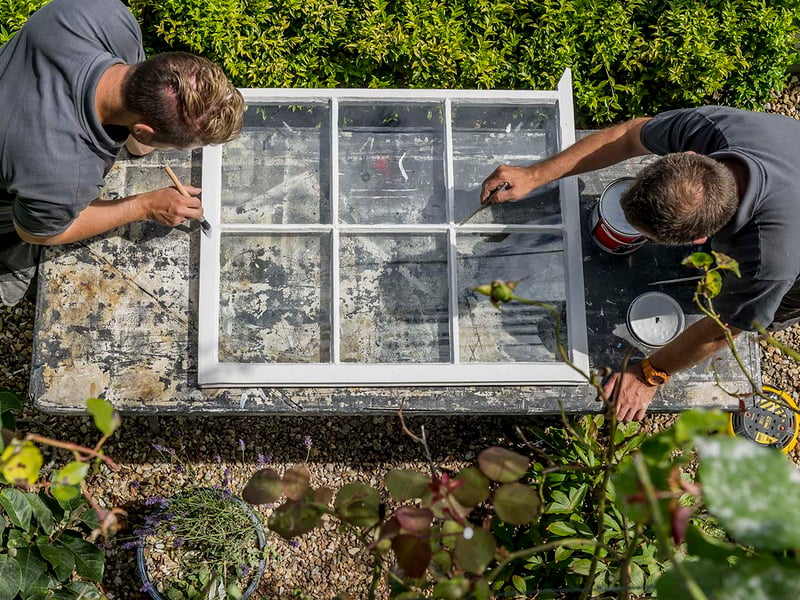
Windows that are rotten, loose or painted shut let in cold draughts in the wrong places and can’t be opened when you need fresh air. Restoring the joinery and fitting discreet draught proofing makes the window warmer and more comfortable, while keeping it fully openable, so you control when and how much the room is ventilated.
Remove moisture where it’s made
Most indoor moisture comes from kitchens and bathrooms, so the most effective place to deal with it is at source. Demand-controlled extract fans are a simple upgrade for period homes. They run quietly at a low rate and boost automatically when humidity rises, and they are typically the same size as a standard extractor fan, so they can often replace an existing one.
Where a home is being made much more airtight as part of a wider renovation, mechanical ventilation with heat recovery (MVHR) can provide continuous fresh air while recovering up to 80–90% of the heat that would otherwise be lost. In many period homes, though, restoring the building’s natural ventilation routes is the right starting point.
[IMAGE 3: A humidity-responsive extract fan in a period bathroom, or a sash window opened to air a bedroom. Filename: sash-window-open-ventilating-period-bedroom.jpg · Alt: “Timber sash window opened at the top to ventilate a bedroom in a period home” · 1200 × 800px]

Insulate with breathable materials
Cold walls and ceilings attract condensation as well as glass. Insulating lofts and suspended floors with breathable natural materials, such as sheep’s wool, warms the whole room without trapping moisture in the building’s fabric. It also helps slow heat transfer in summer while retaining warmth in winter.
Why a Whole-House Approach Works Best
Fixing one part of the problem in isolation can simply move it elsewhere. Warm the glass without managing moisture, and condensation may start appearing in cold corners or on external walls instead. Seal up a house without providing ventilation, and humidity can rise throughout.
That’s why we look at windows, insulation and ventilation together. A whole-house survey considers how heat, air and moisture move through your property, so that the improvements you make work with each other and with the building’s original construction.
Specialist Advice for Period and Listed Homes
Mitchell & Dickinson specialises in insulation, ventilation and restoration for period and listed properties. If condensation is a recurring problem in your home, our team can help you understand why, and recommend balanced, sympathetic solutions that keep your home warm, dry and healthy, while preserving its character.
FAQs
Is condensation on the inside of windows normal?
Light condensation on cold mornings is normal, especially on single glazing. Heavy condensation that runs down the glass, pools on sills or appears every day is a sign of high humidity and should be addressed to protect the window joinery.
Why do I get condensation on my windows every morning?
Overnight, moisture from breathing builds up in closed bedrooms while the room and the glass cool down. By morning the glass is at its coldest, so moisture condenses on it. Better ventilation and warmer glass both help.
Does secondary glazing stop condensation on windows?
Secondary glazing keeps the inner glass much warmer, which greatly reduces condensation on the room side. It works best alongside good ventilation, because it can’t remove moisture from the air on its own. When installing secondary glazing, it is advisable to keep putty and paintwork in good condition. This also increases the life of the window.
Why is there condensation between my secondary glazing and window?
After installation the external glass is no longer warmed by the heat of the room because the secondary glazing provides a barrier to create the air gap to insulate your windows. Draught proofing fitted as part of our CosyGlazing system also reduces the exit routes for moist air. This means that moisture entering the void between the primary and secondary glazing touches a colder glass surface than before, and can form condensation.
Will a dehumidifier stop condensation on windows?
A dehumidifier lowers humidity and can reduce condensation in a problem room, but it treats the symptom. Ventilation at source and warmer window surfaces give a longer-lasting solution.
Is condensation on windows a sign of damp?
Not necessarily. Window condensation is caused by moisture in the air, not water coming through the walls. Persistent condensation can, however, lead to damp patches and mould around windows if it isn’t managed.